The Plain Record

Neutral daily news — clear headlines, complete facts.

Legal

18 Suspects in Assassination of Haitian President Extradited to United States

Eighteen suspects, including 17 Colombian soldiers, were being transferred from Haiti to Florida on Sunday to face trial for the 2021 assassination of President Jovenel Moïse.

Background: The Electoral College, explained: how the United States actually elects a president

By The Plain RecordUpdated September 21, 2026 at 4:50 AM EDT
Published September 20, 2026 at 8:00 PM EDT

The short answer

Eighteen suspects, including 17 Colombian soldiers, were being transferred from Haiti to Florida on Sunday to face trial for the 2021 assassination of President Jovenel Moïse.

Updates (1)

  • Update — September 21, 2026 at 4:50 AM EDT: Eighteen suspects who were arrested in the July 2021 killing of Haitian President Jovenel Moïse​ were awaiting extradition to the U.S. on Sunday.
18 Suspects in Assassination of Haitian President Extradited to United States

The Facts

Who
18 suspects (including 17 Colombian soldiers and Joseph Badio), U.S. Attorney Jason Reding Quiñones
What
Extradition of 18 suspects in the Jovenel Moïse assassination case
When
Sunday, September 20, 2026
Where
From Port-au-Prince, Haiti to Florida, United States
Why
Haitian judicial proceedings were stalled by gang violence and safety threats to judges; the U.S. is pursuing accountability for those who allegedly facilitated the assassination.

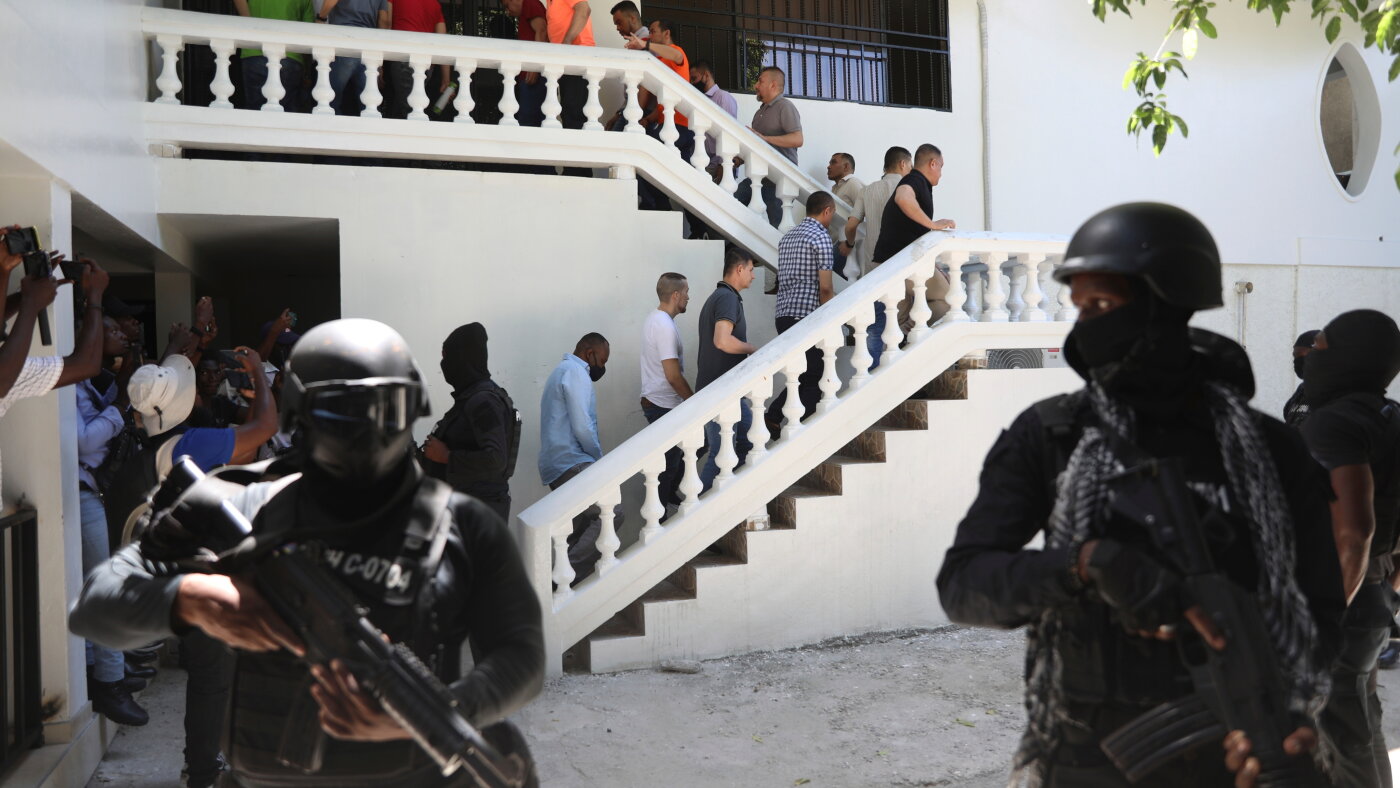
Eighteen suspects arrested in the July 2021 assassination of Haitian President Jovenel Moïse were being extradited from Haiti to the United States on Sunday, September 20, 2026. U.S. Attorney for the Southern District of Florida Jason Reding Quiñones confirmed the transfer, stating that the defendants will face trial in Florida. The move marks a shift in the judicial proceedings for the killing, which took place five years ago at Moïse's private residence.

The extradition follows years of delays in the Haitian judicial system, which officials said has been hampered by gang violence, death threats, and a lack of stability. In October 2025, Haitian justice officials requested assistance from the U.S. and Canada after a local appeals court ordered a new investigation into the killing. Previous Haitian judges assigned to the case resigned due to safety concerns, and gangs at one point seized the courthouse where interrogations were conducted.

The 18 suspects include 17 Colombian soldiers and Joseph Badio, a former official with Haiti's Ministry of Justice anti-corruption unit. Badio, whom defense attorneys for other suspects have identified as a coordinator of the plot, was arrested in October 2023 after two years as a fugitive. Relatives of the Colombian suspects, including Diana Marcela Arbeláez Llano, expressed surprise at the sudden extradition and raised concerns regarding the health of the detainees, who they described as having fallen ill due to conditions in Haitian prisons.

This extradition brings 18 additional defendants into the U.S. federal court system, which is already managing cases for other individuals previously indicted in the matter. According to U.S. Attorney Quiñones, a total of 30 people have now been indicted in connection with the assassination. For the families of the suspects and the Haitian public, this move shifts the legal focus to Florida, where five people are already serving life sentences and four others were convicted by a jury in May 2026. The U.S. Department of Justice is seeking to hold accountable those who allegedly financed, facilitated, or committed crimes to enable the assassination of a foreign head of state.

For the defendants, the change in jurisdiction means they will move from Haitian custody—where Colombian suspects claimed they were beaten and forced to sign documents they did not understand—to the U.S. federal legal system. A person facing these charges in the U.S. will notice a difference in the speed of proceedings compared to the Haitian inquiries, which were repeatedly interrupted by judge resignations and courthouse seizures. While specific trial dates for the 18 newly extradited suspects were not reported, they join a legal process that has already resulted in life sentences for those who pleaded guilty to conspiring to kill or kidnap the Haitian leader.

The case also involves the investigation of two South Florida companies, CTU and Worldwide Capital Lending Group, whose principals were convicted for providing material support for the plot. While the extradition proceeds, Haitian authorities noted that key fugitives remain at large, including Dimitri Hérard, the former head of palace security who escaped during a gang-led prison break two years ago. The Haitian government stated it surrendered the suspects to "allow for their trial" as local proceedings continued to face "significant difficulties."

Timeline of what happened

Key dates and decisions, in the order they occurred.

  1. July 7, 2021

    President Jovenel Moïse assassinated at his residence

  2. October 2023

    Key suspect Joseph Badio arrested in Haiti

  3. 2024

    Haitian judge indicts Martine Moïse on complicity charges

  4. January 27, 2025

    Colombian suspects appear at Court of Appeals in Port-au-Prince

  5. May 26, 2025

    Suspects escorted to court hearing in Haiti

  6. October 2025

    Haitian officials request U.S. and Canadian assistance with investigation

  7. March 2026

    Martine Moïse testifies in Miami federal court

  8. May 2026

    Florida jury convicts four men in the assassination plot

  9. September 20, 2026

    Eighteen suspects extradited to the U.S. from Haiti

Summaries are written by The Plain Record to state the facts of a story plainly and without political slant. Drafted with AI assistance and checked against the source record before publication. See how we report, or report a correction.

← Back to the front page

Questions readers ask

What happened: 18 Suspects in Assassination of Haitian President Extradited to United States?

Eighteen suspects arrested in the July 2021 assassination of Haitian President Jovenel Moïse were being extradited from Haiti to the United States on Sunday, September 20, 2026. U.S. Attorney for the Southern District of Florida Jason Reding Quiñones confirmed the transfer, stating that the defendants will face trial in Florida.

Who is involved?

18 suspects (including 17 Colombian soldiers and Joseph Badio), U.S. Attorney Jason Reding Quiñones

When did this happen?

Sunday, September 20, 2026

Where did this happen?

From Port-au-Prince, Haiti to Florida, United States

Why does this matter?

Haitian judicial proceedings were stalled by gang violence and safety threats to judges; the U.S. is pursuing accountability for those who allegedly facilitated the assassination.