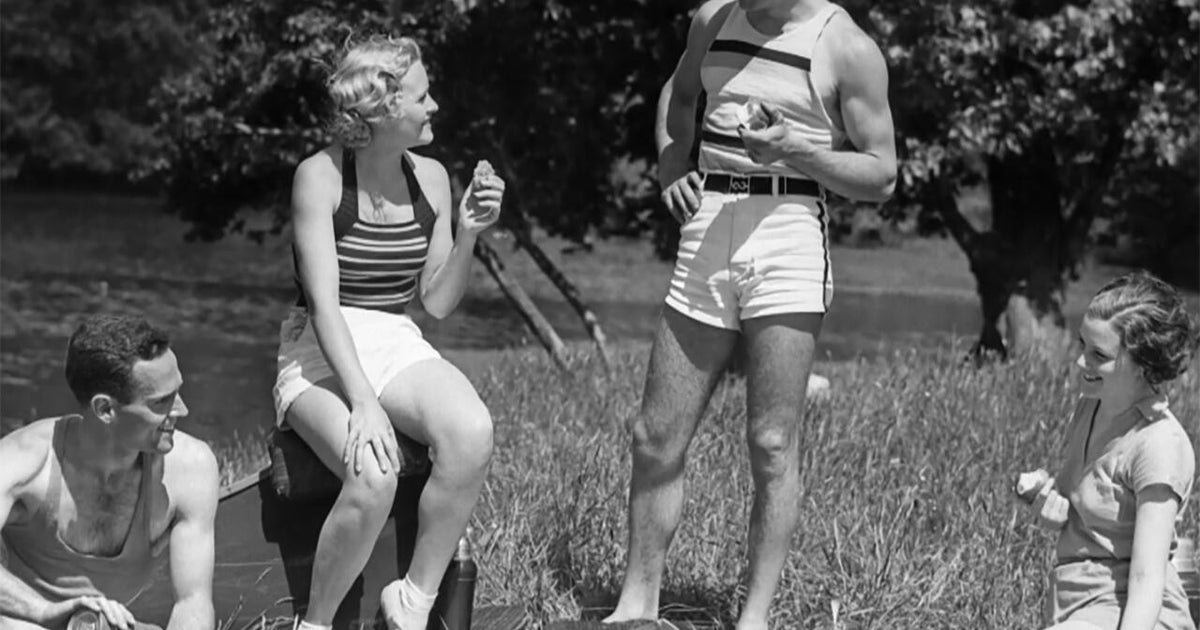
A severe heat wave in 1936 led to at least 5,000 deaths and prompted a shift in American clothing standards toward more breathable attire, such as shorts. During this period, wearing short pants in public was illegal in several U.S. jurisdictions, including Yonkers, New York, where violators faced potential fines and jail time.
Before the 1930s, shorts were primarily associated with children or specific military contexts. According to Erin Black, a costume design history teacher at New York University, British soldiers during World War I began cutting their trousers at the knee to manage high temperatures while stationed in Bermuda. By the late 19th century, grown men wearing short pants remained largely socially taboo in the United States until extreme weather conditions in the mid-1930s forced a change in public habits.
In 1935, Yonkers Alderman William Slater led the city council to pass an ordinance banning shorts and halter tops on city streets. The law carried a maximum penalty of a $150 fine and 30 days in jail. On June 21, 1936, two reporters from the New York Daily News intentionally wore shorts in Yonkers to challenge the law. They were arrested, fined $10, and eventually saw their convictions overturned and the law invalidated following a court battle. A subsequent modesty ordinance passed in 1937 was also struck down by the courts.
The relaxation of these dress codes fundamentally changed what citizens noticed in their daily lives, shifting from a culture where showing legs was legally restricted to one where shorts became standard summer wear. The 1936 heat wave, which saw temperatures exceed 100 degrees for weeks in cities like Columbus, Ohio, and Lexington, Kentucky, served as the catalyst for this change. The legal challenges brought by the New York Daily News reporters set a precedent that restricted a municipality's ability to regulate personal attire based on modesty standards.
The cultural shift continued through the mid-20th century as media and entertainment further popularized various styles of short pants. The 1950s saw increased popularity for shorter styles, followed by the "hot pants" trend of the early 1970s and the "Daisy Duke" style popularized by television in the 1980s. Today, shorts are legally permitted and commonly worn in the same jurisdictions where they were once criminalized, including by current government officials in Yonkers.
What happens next: While the specific 1936 laws have been overturned, the history of these ordinances continues to be documented in historical research and literature, such as Geoff Williams' book "The Summer of Death." There are currently no reported dates for new legislation regarding public dress codes in the affected jurisdictions.