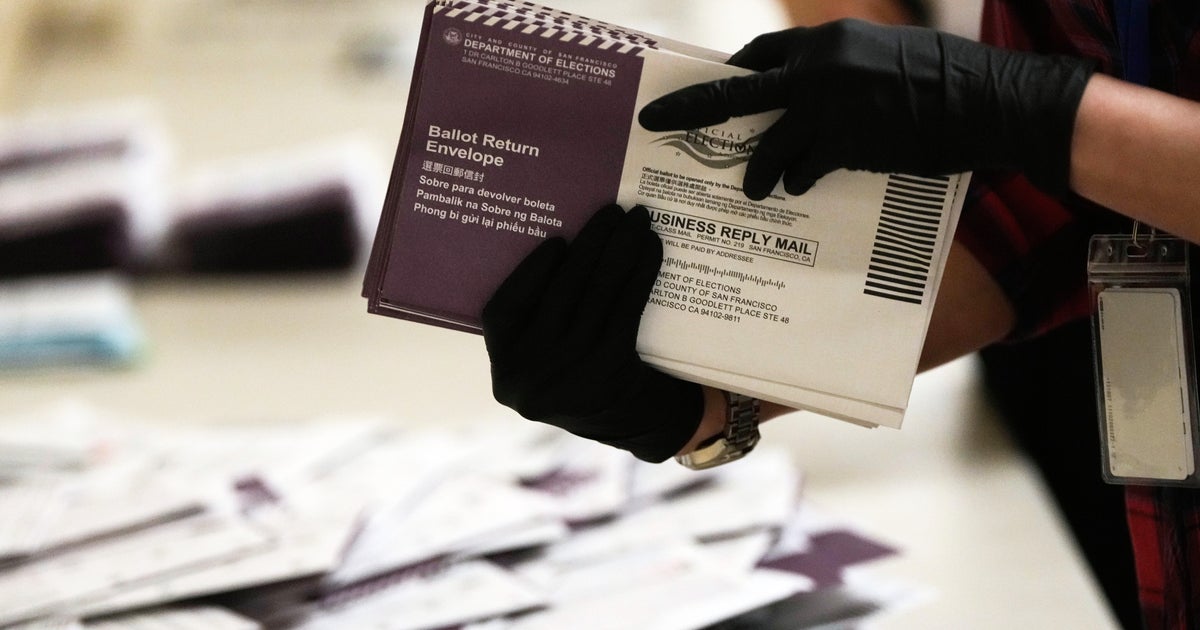
Election officials and experts stated that final results for the 2026 midterm elections may not be available on election night, November 3. The Bipartisan Policy Center and the Center for Election Innovation & Research noted that the time required to tally ballots varies by state due to differing regulations regarding mail-in processing, signature verification, and certification procedures. Officials emphasized that unofficial election night tallies frequently change as late-arriving mail ballots and provisional votes are processed.
The delay in results is often attributed to the complexity of modern ballots and specific state laws. In Pennsylvania and Wisconsin, for example, state law prohibits election officials from processing mail-in ballots until the morning of Election Day. In California, mail-in ballots are accepted up to one week after the election if they are postmarked by Election Day. Experts noted that because mail-in and Election Day voting populations often differ in their political leanings, initial leads may shift as different batches of ballots are reported.
David Becker, executive director of the Center for Election Innovation & Research, stated that candidates who believe they are losing may describe these routine counting processes as fraudulent. Lawrence Norden of the Brennan Center for Justice added that misinformation often fills the gap between the close of polls and the release of final results. Legal challenges have already been noted; for example, courts recently dismissed lawsuits in North Carolina, Michigan, and Pennsylvania that sought to tighten oversight of overseas ballots.
Individual voters will notice these effects primarily through the "red mirage" or "blue wave" phenomena, where reported leads shift as different ballot types are tallied. In 2020, for example, it took nine days for media outlets to project a winner in Arizona. A person’s day-to-day understanding of who represents them in the federal government will be paused during this period of verification and audit. These delays also impact local election officials and their families; William Gates, a former Maricopa County supervisor, reported that his family received threats due to the length of the 2020 count.
The process follows a set legal timeline leading toward the swearing-in of the new Congress in January 2027. Following the November 3 vote, state officials must complete audits and certify results, a process that typically concludes in early December. The U.S. House and Senate will then meet on January 6, 2027, to finalize the results. While the Federal Election Commission (FEC) manages campaign finance, it has no role in these state-level counting and certification processes. Official results are only available through state election offices.
What happens next: Counting will continue beyond November 3 as mail-in ballots arrive and signatures are verified. States will proceed with their individual certification deadlines through November and December. The 120th Congress is scheduled to be sworn in in January 2027.