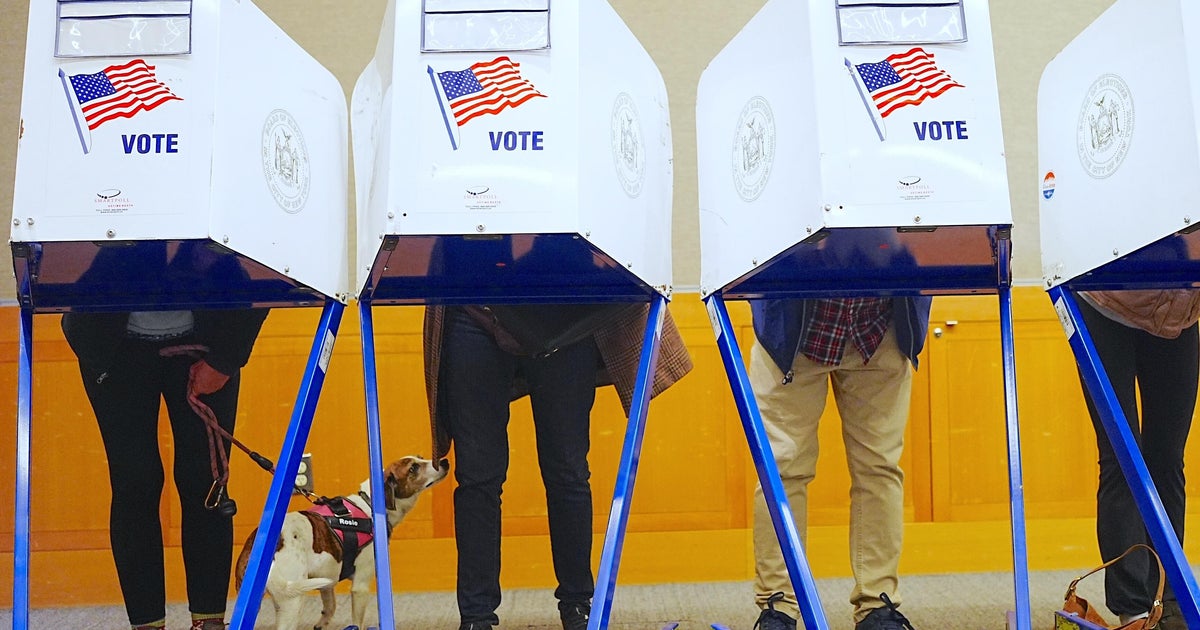
Voters in the United States will participate in the 2026 midterm elections on Tuesday, Nov. 3, with early voting already underway. The election features contests for all 435 seats in the House of Representatives, 35 U.S. Senate seats, and 36 governorships. Additionally, voters in 40 states will decide more than 150 ballot measures, including 41 initiatives regarding data centers across 13 states.
Midterm elections historically see lower participation than presidential cycles. In 2024, 65% of eligible voters participated, while the 2022 midterms saw 46% turnout. Political scientists, such as Donald Green of Columbia University, note that smaller electorates mean individual votes carry more relative weight. Green observed that politicians are often highly attentive to which demographic groups vote at high rates, which can influence whose concerns are prioritized in policy discussions.
Congressional control is a central focus of the 2026 cycle. In the House, Republicans hold a narrow majority that Democrats could flip with a net gain of three seats. In the Senate, Democrats need a net gain of four seats to take control. The outcome will determine the legislative agenda for the remainder of Donald Trump’s presidency, including decisions regarding Iran War funding and artificial intelligence (AI) regulation.
State and local races also carry policy weight. Governors in 36 states will hold authority over infrastructure projects like data center buildouts, utility commissions, and tax breaks. Local contests for city councils and judgeships will decide matters such as road repairs, school funding, and electricity prices. A CBS News/YouGov poll recently found that a majority of voters do not believe either major party has a plan to improve their financial situation, a sentiment leading some to consider abstaining from the vote.
The specific groups most affected include students, who may see changes in AI regulation affecting their future job markets, and older voters, whose high turnout often ensures their concerns remain at the forefront of legislative debates. Residents in the 13 states with ballot initiatives regarding data centers will see potential changes in local land use and tax structures. Small-business owners will be affected by congressional decisions on economic policy, such as tariffs, which are tied to which party holds the majority in the House and Senate.
Federal workers and military families will notice the impact through budget authorizations, specifically regarding the Iran War. The knock-on effects of these elections extend to the judicial system, as the Senate majority will decide which federal judges are confirmed. Furthermore, these elections serve as a check on presidential power, with the incumbent's party having lost seats in 37 of the last 41 midterms. Following the Nov. 3 election, winners will typically take office in January 2027, at which point new legislative sessions and regulatory changes will begin to take effect.