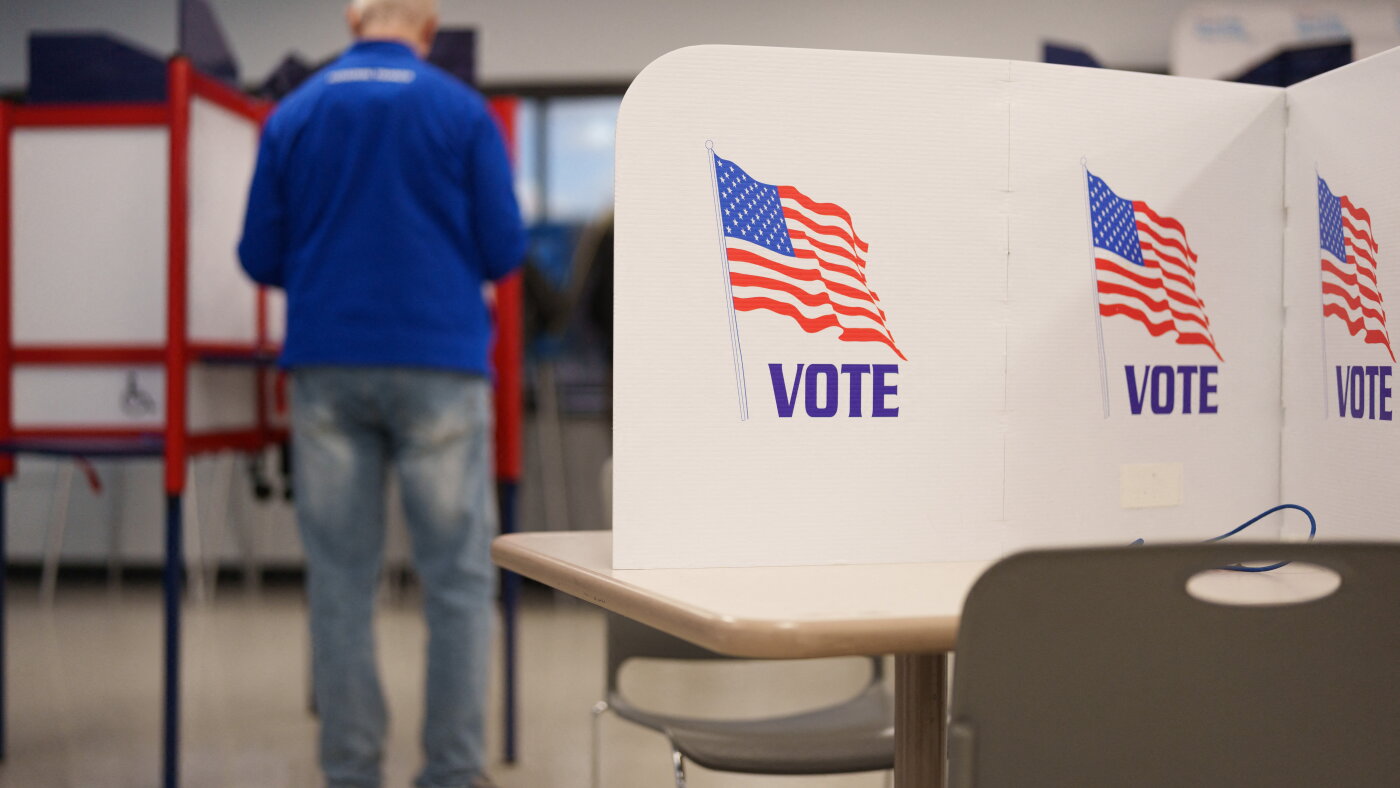
The 2026 midterm elections are projected to be the most expensive on record, with more than $15 billion raised for congressional races. Fundraising data indicates that Democratic nominees in House and Senate races are receiving higher donation totals than their Republican counterparts, despite polls suggesting both parties remain unpopular. Republicans have faced criticism regarding the economy, gas prices, and the war in Iran, while Democratic candidates are currently outraising Republicans by a 5-to-1 margin in 13 competitive races identified by the Cook Political Report.
The surge in spending is driven in part by megadonors, including Elon Musk, who are contributing to super PACs to support Republican candidates. Despite this, 75% of planned advertising expenditures are concentrated in races categorized as toss-ups or leaning Republican. Observers noted that due to close competition and specific state processing procedures, such as those in California, some congressional race results may not be determined until several days after Election Day.
Internationally, Ukrainian forces launched a major drone strike on Saint Petersburg, Russia, targeting strategic sites including an oil terminal. The Russian Defense Ministry reported intercepting 1,000 drones across multiple regions during the night, while one person was reported dead in the Saint Petersburg attack. Concurrently, President Trump has advocated for relieving pressure on Russia as a method to end the conflict, recently arranging a deal to import Russian diesel. Trump has attributed rising U.S. fuel prices to Ukrainian strikes on Russian facilities, though economists cited in the report attribute these increases to the U.S. conflict in Iran.
In France, President Emmanuel Macron condemned violent unrest that occurred during national protests over the weekend. The demonstrations, which initially began as student protests for better conditions, grew to include public-sector workers citing high energy prices, social inequality, and the rising cost of living. The French Interior Ministry reported approximately 2,300 arrests and nearly 1,000 injuries to police officers. While far-left candidate Jean-Luc Mélenchon joined the demonstrators, far-right leader Marine Le Pen criticized both the violence and the government’s response as the country approaches a presidential election in six months.
The scale of the French protests directly impacts public-sector employees and students across the country, with nearly 3,300 people either arrested or injured in recent clashes. For the average French citizen, this unrest has manifested as property damage in urban centers like Paris and disruptions to public services. These events set a precedent for how economic grievances regarding inflation and energy costs are expressed six months ahead of a national leadership change, potentially shifting the platform of candidates like Marine Le Pen or Jean-Luc Mélenchon.
Looking ahead, the U.S. midterm results will determine control of the next Congress, though the exact date of final tallies remains uncertain in closely contested states. In the conflict between Russia and Ukraine, the impact of recent drone strikes on Russian oil infrastructure and the subsequent U.S. policy of importing Russian diesel will continue to influence global energy markets and domestic fuel costs. In France, the government faces a deadline to address the underlying causes of student and worker unrest before the presidential election scheduled for early 2027.