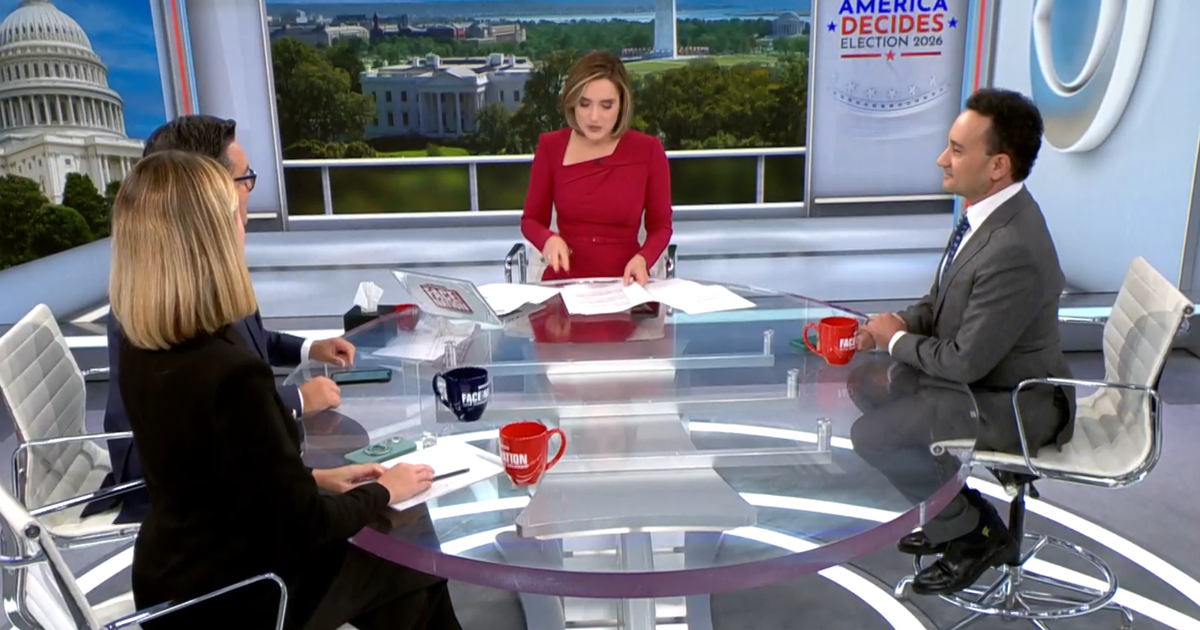
Campaigning for the 2026 midterm elections has reached its final weeks as candidates compete for control of the U.S. House and Senate. New polling from CBS News indicates that while Democrats are estimated to have an edge in the House, several Senate races in traditionally Republican-leaning states have become competitive. President Donald Trump has increased his rally schedule to support Republican candidates, stating that he believes these events are changing the trajectory of races where his party's nominees had been trailing.
The current political landscape is marked by a focus on economic issues and foreign policy, specifically regarding U.S. support for Ukraine. In a broadcast on October 18, 2026, CBS News Executive Director of Elections and Surveys Anthony Salvanto reported that Republican-leaning states like Ohio, Alaska, and Kansas are now considered toss-ups or highly competitive. In Texas, a poll conducted by CBS News shows Republican incumbent Ken Paxton and Democratic challenger James Talarico separated by a narrow margin of 51% to 49%.
Foreign policy has also become a central campaign issue following an executive order by President Trump to freeze the "Lindsey Graham law," which was designed to restrict funding for Vladimir Putin’s military operations by sanctioning buyers of Russian oil. Rep. Mike Turner (R-OH) stated that he would encourage the administration to implement these sanctions. Additionally, Turner called for a congressional investigation into reports that Starlink satellite speeds were slowed in Ukraine, affecting military communication and drone operations.
In Florida, the senatorial race involves Republican incumbent Ashley Moody and Democratic State Representative Angie Nixon. Nixon is campaigning on a platform that includes Medicare for All, national rent stabilization, and a 5% wealth tax on billionaires. Moody has focused on the administration's economic record and has accused Nixon of supporting the defunding of police, a claim Nixon denies, stating she supports continued police funding.
On a national scale, the results will decide control of the Senate, where Democrats currently need to gain four seats to take the majority. Polling data suggests the margin in Texas is within 2 percentage points, meaning the financial and legislative future of the country may be decided by a small segment of the 2026 electorate. For individual households, candidates are debating competing solutions for inflation and high prices, with Democrats like Nixon proposing a $15 federal minimum wage and Republicans like Rep. Turner highlighting local job creation and infrastructure accomplishments.
The knock-on effects of these elections extend to international markets and security alliances. The decision to enforce or waive oil sanctions affects global energy prices and the funding levels for the conflict in Ukraine. Furthermore, the precedent set by congressional investigations into private technology companies like SpaceX and its Starlink service could reshape how commercial enterprises interact with military operations in active war zones. Voters will cast their final ballots on November 3, 2026, which will determine the leadership of both chambers of Congress and the direction of federal policy through 2028.