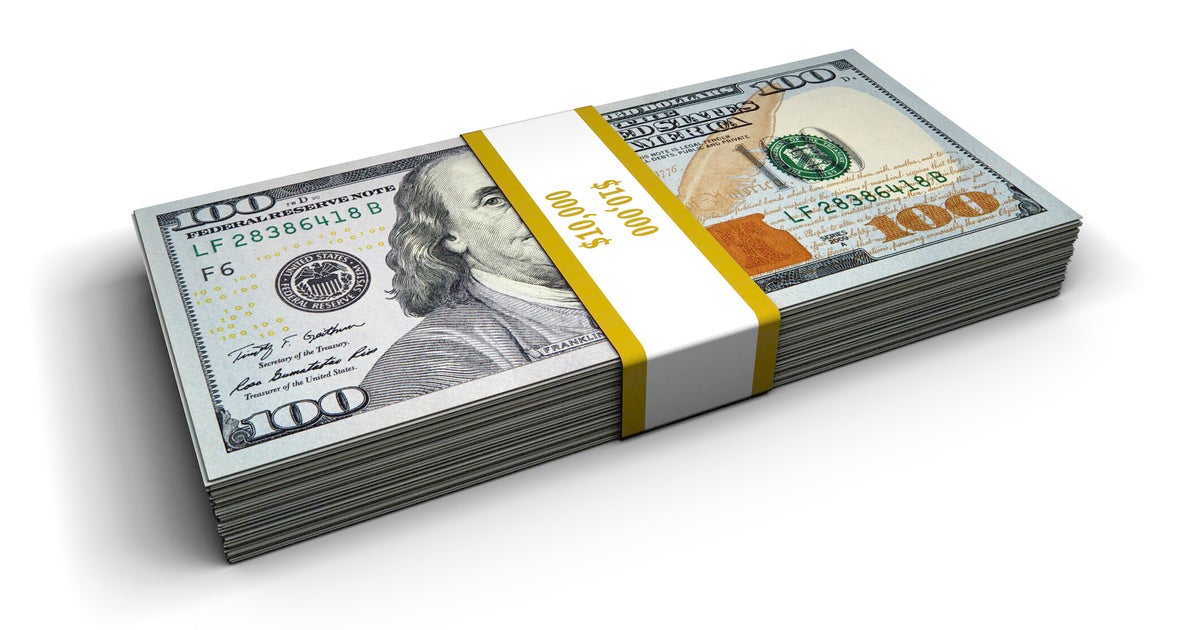
Savers weighing where to place $10,000 for a nine-month period currently find identical projected returns of $305.95 from both 9-month certificates of deposit (CDs) and high-yield savings accounts. As of late August, both account types offer interest rates around 4.10%, though they function with different rules regarding rate stability and fund access. While the returns are currently equal, the total interest earned by May 2027 will depend on whether the Federal Reserve adjusts interest rates during its three remaining meetings in 2026.
A certificate of deposit is a savings instrument that offers a fixed interest rate for a specific term, such as nine months, in exchange for leaving the deposit untouched until the maturity date. In contrast, a high-yield savings account offers a variable interest rate that can rise or fall based on market conditions and Federal Reserve policy. Unlike CDs, high-yield savings accounts typically allow for withdrawals without the penalties often associated with closing a CD before its term ends.
Calculations based on a 4.10% interest rate show that a $10,000 deposit in either account would yield $305.95 over nine months, assuming no fees are charged and the principal remains untouched. However, this projection for the high-yield savings account assumes the variable rate remains constant until May 2027. If the Federal Reserve raises rates, the high-yield account could outperform the CD; conversely, the CD provides a guaranteed return if market rates drop during the term.
The scale of impact is tied to upcoming decisions by the Federal Reserve, which has three meetings scheduled for the remainder of 2026. For small-business owners or families using these accounts for emergency funds, the primary difference is liquidity. Those who place money in a 9-month CD would face an early withdrawal fee if they need the cash before the term ends, which could result in the loss of all interest earned. Those using high-yield savings accounts maintain access to their funds but face the risk of their monthly earnings decreasing if interest rates are cut.
Financial strategies currently being considered include splitting funds between both account types. By placing $4,500 in a CD and $4,500 in a high-yield account, a saver can secure a fixed rate on half the deposit while keeping the other half accessible for emergencies. The final earnings for these accounts will be determined by the rate climate through May 2027. Savers will notice the effects of rate changes in their monthly statements for high-yield accounts, while CD holders will see their fixed return only when the account matures next year.