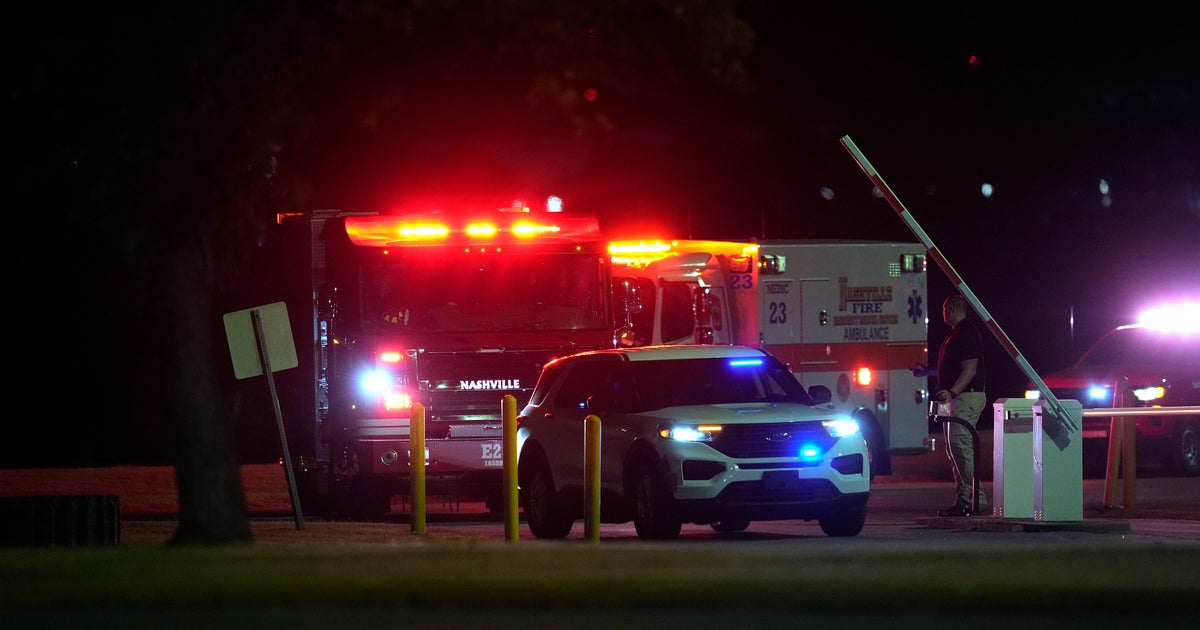
Newly released 911 dispatch recordings show that emergency medical help for death row inmate Christa Gail Pike was delayed by 31 minutes following a failed execution attempt on Sept. 30, 2026. The recordings, released on Monday, Oct. 12, reveal a period of confusion between first responders and Tennessee prison officials over whether the request for an ambulance from the execution chamber was legitimate.
The events followed an attempt by the state of Tennessee to execute Pike for the 1995 killing of her classmate, Colleen Slemmer. Pike, 50, survived two doses of the lethal injection drug pentobarbital at Riverbend Maximum Security Institution. According to the Death Penalty Information Center, Pike is the first person in the United States known to have survived an execution attempt after receiving lethal injection drugs.
The first emergency call was placed at 8:40 p.m. on Sept. 30, with the caller stating that 10 grams of pentobarbital had been administered an hour prior but the person was not deceased. However, the dispatcher asked for a verification code that the caller did not possess. At 9:03 p.m., an unidentified person at the Department of Emergency Communications (DEC) stated they had been informed it was a "false call" and that no medical assistance was needed. By 9:07 p.m., responders at the prison gate reported that a state official was demanding they be let in, while prison Central Control continued to tell dispatchers they had not placed the call.
Central Control finally confirmed the emergency was legitimate and cleared responders to enter the facility at 9:11 p.m. During the ordeal, Pike was eventually transported to a hospital where she was placed on a ventilator. Her attorneys initially did not expect her to survive, but they later reported that she regained consciousness and the ability to walk with assistance. Her legal team confirmed on Saturday, Oct. 10, that she had been discharged from the hospital and returned to the Debra K. Johnson Rehabilitation Center.
This incident affected Pike and the Tennessee Department of Correction (TDOC). For Pike, the failure resulted in her receiving two doses of pentobarbital, leading to a period of unconsciousness and hospitalization. Her attorneys stated that while she is speaking, she has no memory of the execution itself, and medical experts such as Dr. Joel Zivot noted it is too early to determine if she will achieve a full cognitive recovery.
The scale of the delay—31 minutes—highlights a breakdown in communication between the DEC, Nashville Fire Department, Metropolitan Nashville Police Department, and prison Central Control. The confusion centered on a required verification code that the initial caller lacked, which led supervisors to initially categorize the life-safety request as a false alarm. This delay in medical intervention occurred while the inmate was in a life-threatening state.
The incident has also brought scrutiny to lethal injection protocols. Medical experts are currently investigating whether issues with the IV line caused the drugs to pool in Pike's tissue rather than entering her bloodstream. The TDOC has not yet released a formal explanation for the failure. What happens next remains unclear regarding Pike's legal status or future execution dates. As of Oct. 12, Pike is back in the women's prison where she has been housed for 30 years, continuing to receive medical care while her attorneys monitor her recovery.