The Plain Record

Neutral daily news — clear headlines, complete facts.

Legal

ABC and FCC Argue in Federal Court Over Early Broadcast License Reviews

ABC asked a federal judge to block an early FCC review of eight station licenses, alleging the Trump administration is retaliating against the network's editorial content.

Published October 6, 2026 at 7:51 PM EDT

The short answer

ABC asked a federal judge to block an early FCC review of eight station licenses, alleging the Trump administration is retaliating against the network's editorial content.

ABC and FCC Argue in Federal Court Over Early Broadcast License Reviews

The Facts

Who
ABC, Disney, FCC Commissioner Brendan Carr, U.S. District Judge Loren AliKhan, and the Department of Justice.
What
Court hearing regarding ABC's request for a preliminary injunction against the FCC.
When
Tuesday, Oct. 6, 2026
Where
Washington, D.C.
Why
ABC alleges the FCC is conducting retaliatory early license reviews that violate First Amendment rights, while the government argues the court lacks jurisdiction.

Attorneys for ABC on Tuesday, Oct. 6, 2026, requested a preliminary injunction to stop the Federal Communications Commission (FCC) from performing an early review of the network's broadcast licenses. The network argued that the accelerated review process is unconstitutional and serves as retaliation for content that President Donald Trump dislikes.

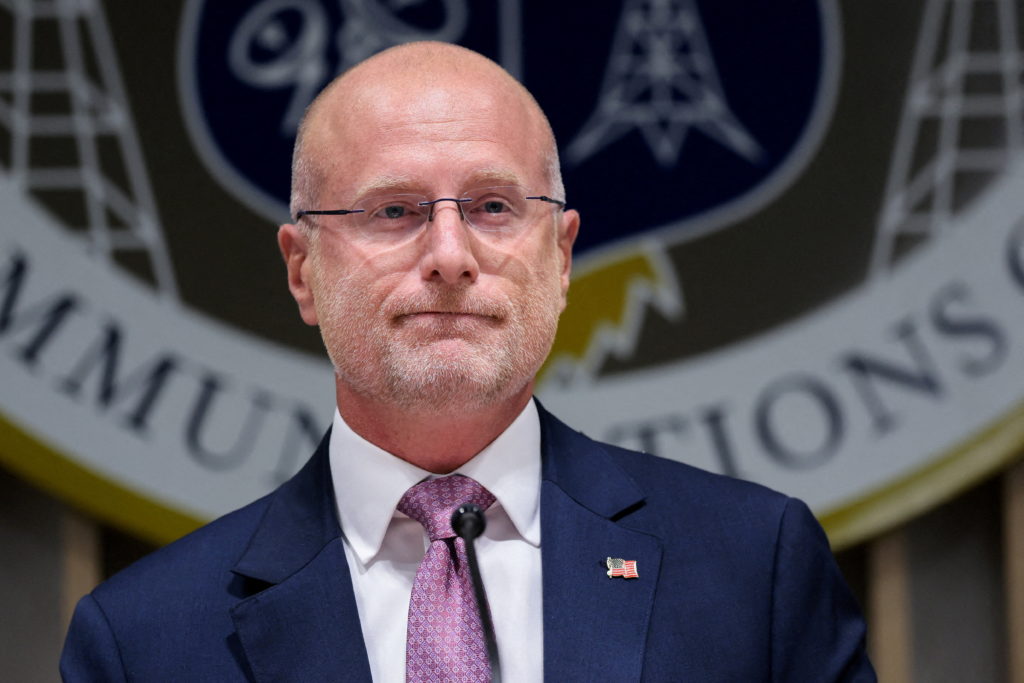
The legal dispute began after the FCC ordered eight ABC-owned stations in April to submit renewal applications years ahead of their scheduled dates. The order followed a joke by ABC late-night host Jimmy Kimmel that infuriated the president, as well as a separate dispute regarding whether the talk show "The View" should be subject to equal-time rules. ABC and its parent company, Disney, filed suit against the FCC and Commissioner Brendan Carr in August.

During a two-hour hearing, ABC attorney Beth Wilkinson stated that the looming review has created a "chilling effect" on the network's editorial choices just weeks before the U.S. midterm elections. She argued that the network is being targeted for its speech and that the move threatens all broadcast media. Department of Justice attorney Dimitar Georgiev-Remmel argued that the district court lacks jurisdiction over the matter and that ABC failed to prove it suffered irreparable harm since its eight licenses remain valid.

U.S. District Judge Loren AliKhan has not yet ruled on the injunction but has ordered both parties to submit additional arguments. The government's brief is due on Oct. 9, followed by ABC's response on Oct. 14. A decision on whether to halt the FCC's review is expected no earlier than mid-October 2026.

Timeline of what happened

Key dates and decisions, in the order they occurred.

  1. January 14, 2026

    FCC Chairman Brendan Carr testifies before House subcommittee

  2. April 6, 2026

    Carr orders early license review for eight ABC-owned stations

  3. August 6, 2026

    ABC and Disney file lawsuit against the FCC and Carr

  4. October 6, 2026

    Federal court hearing held on preliminary injunction request

  5. October 9, 2026

    Deadline for government to submit additional arguments

  6. October 14, 2026

    Deadline for ABC to submit additional arguments

Summaries are written by The Plain Record to state the facts of a story plainly and without political slant. Drafted with AI assistance and checked against the source record before publication. See how we report, or report a correction.

← Back to the front page

Questions readers ask

What happened: ABC and FCC Argue in Federal Court Over Early Broadcast License Reviews?

Court hearing regarding ABC's request for a preliminary injunction against the FCC.

Who is involved?

ABC, Disney, FCC Commissioner Brendan Carr, U.S. District Judge Loren AliKhan, and the Department of Justice.

When did this happen?

Tuesday, Oct. 6, 2026

Where did this happen?

Washington, D.C.

Why does this matter?

ABC alleges the FCC is conducting retaliatory early license reviews that violate First Amendment rights, while the government argues the court lacks jurisdiction.