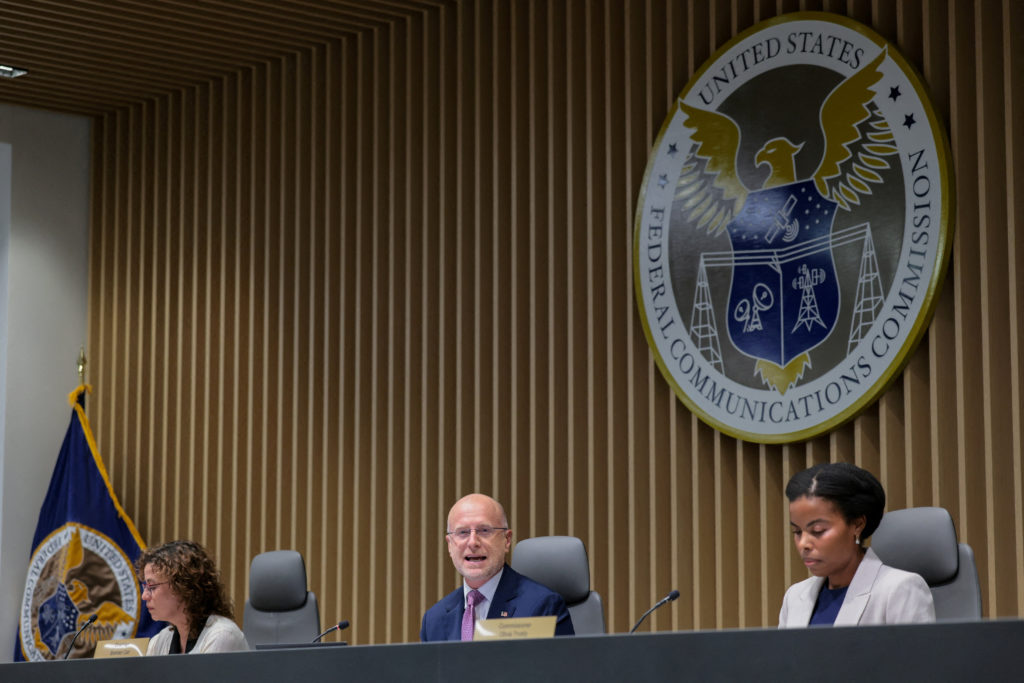
ABC filed a lawsuit against the Federal Communications Commission (FCC) on Tuesday, alleging the agency has engaged in a retaliatory campaign that violates the network's free speech rights. The broadcaster claims the regulatory body is using its oversight powers to censor and pressure the company through targeted investigations.
The lawsuit follows what ABC describes as efforts by the FCC to punish the network by threatening the broadcast licenses of its local stations. The Federal Communications Commission is the government agency responsible for regulating interstate and international communications by radio, television, wire, satellite, and cable in the United States.
While the specific incidents leading to the legal action were not detailed in the report, FCC Commissioner Anna Gomez discussed the matter with PBS NewsHour on Tuesday. ABC maintains that the agency's actions represent a misuse of regulatory authority intended to exert control over the network's content.
For viewers and employees of these stations, a loss of a broadcast license would result in a concrete change to daily operations, potentially causing local stations to go off the air or change ownership. Such a transition would affect the local news, emergency alerts, and programming delivered to households within those station markets. The timing of these potential changes depends on the duration of the litigation and any subsequent FCC administrative hearings regarding license status.
The case also sets a precedent for how the First Amendment, which protects freedom of speech and the press, applies to government agencies with the power to grant or revoke business permits. The knock-on effects could influence future policy regarding how the FCC conducts investigations into broadcast networks. The next steps in the legal process include the scheduling of court dates to hear arguments regarding ABC's claims of censorship and retaliation.