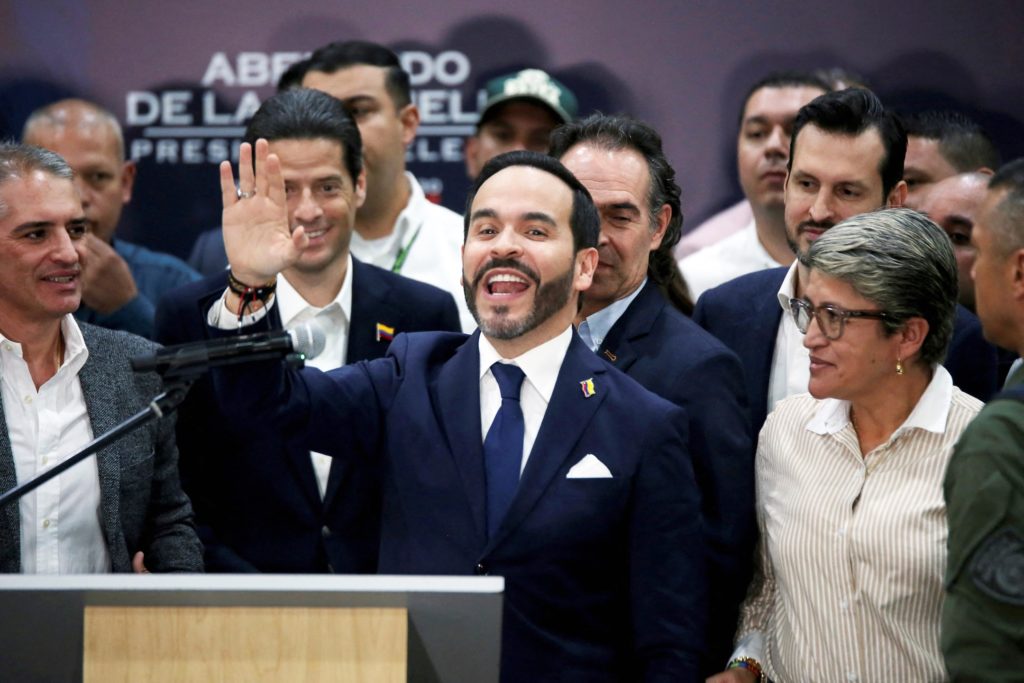
Abelardo de la Espriella was inaugurated as the president of Colombia on Friday, marking a shift in the country’s political direction toward the right. De la Espriella, a self-described political outsider, won a closely contested runoff election in June by a narrow margin.
The inauguration follows a period of political movement toward the left in Colombia. During the transition, outgoing President Gustavo Petro alleged voter fraud occurred in the election, claiming without evidence that the seat belonged to left-wing candidate Ivan Cepeda. Cepeda, a human rights advocate, conceded the race several days after the vote.
The ceremony was held in Santiago de Cali rather than the capital city of Bogota, a decision de la Espriella said was intended to distance the event from the seat of power and bring it closer to the public. Security was heightened for the event after police reported seizing a bus containing explosives in Southern Colombia, which they stated was traveling toward the inauguration site. The day was also marked by protests from hundreds of people across the country who oppose the new administration.
For the Colombian public, the shift is expected to manifest in new internal security measures and a closer economic and political alignment with the United States. President Trump endorsed de la Espriella in June, and the U.S. delegation to the inauguration included acting Attorney General Todd Blanche. Analysts like Andres Martinez-Fernandez of the Heritage Foundation suggest this will lead to a "rekindling" of the partnership between the two nations, particularly regarding security gains and efforts against narcotraffickers.
The inauguration sets a precedent for a broader regional trend, as analysts report Colombia and Peru are the latest of approximately six Latin American nations to elect conservative leaders in the past year. Moving forward, the de la Espriella administration will face immediate pressure to implement its promised security and economic changes. While the specific effective dates for new legislation were not reported, the U.S. presence at the inauguration signals that bilateral policy shifts regarding aid and trade could begin as the new term commences.