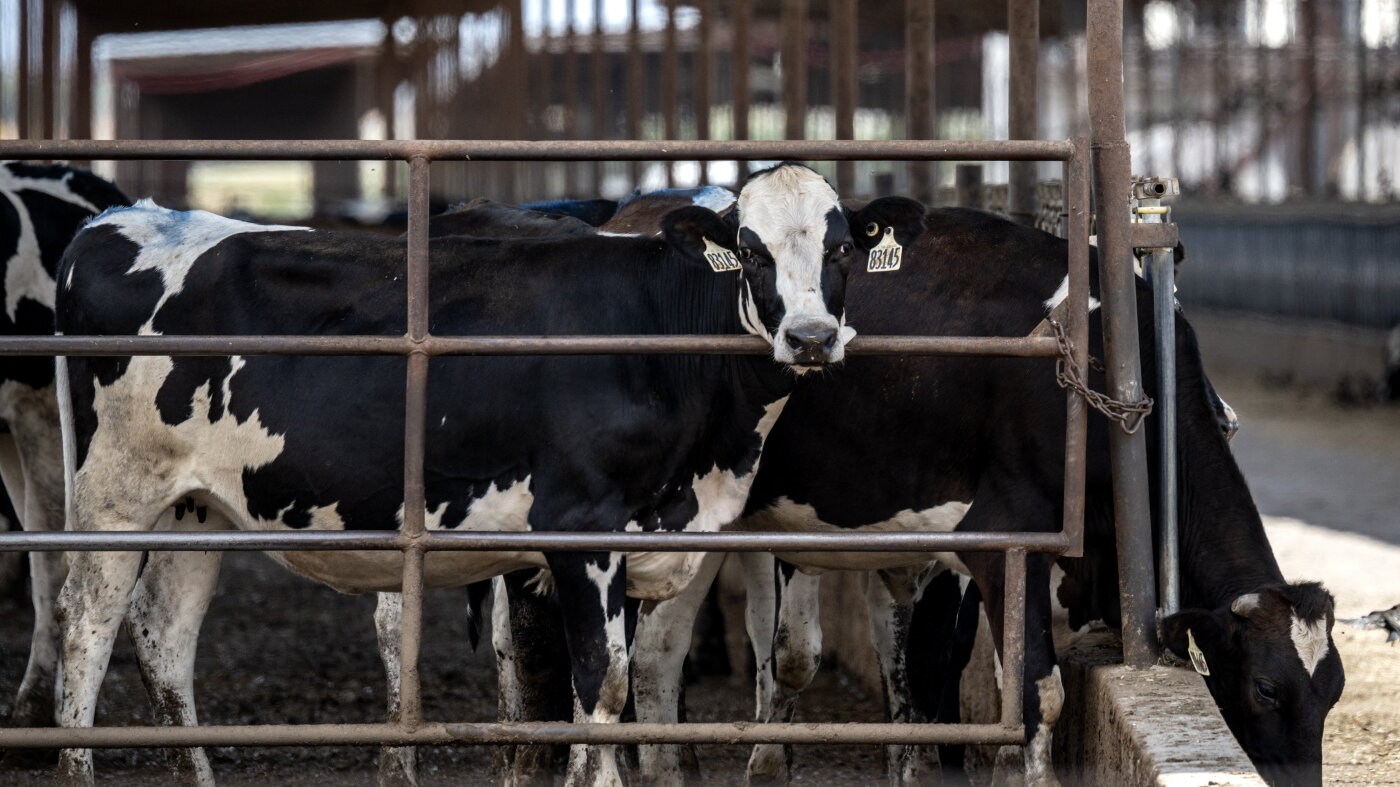
President Trump has implemented several trade policies intended to lower consumer beef prices, a move that livestock producers and economists say is affecting the domestic cattle market. In August 2026, the administration announced a temporary suspension of tariffs on up to 300,000 metric tons of imported beef trimmings. The executive order specified that this imported beef should be sold at 25% below market prices to reduce the cost of ground beef for American consumers.
These measures follow a series of actions affecting the beef industry over the past year. During a trade war, China reduced its purchases of U.S. beef, and in February 2026, President Trump signed an executive order subjecting certain Argentinian beef to lower tariffs. Currently, the U.S. beef herd is at a 75-year low due to factors including western U.S. droughts that increased hay costs. While ground beef prices averaged $6.80 per pound in late 2026, the September price was approximately 13 cents lower than in August following the tariff suspension.
Industry representatives and economists report that the policy has introduced market uncertainty. Scott Birker, regional vice president for the Iowa Cattlemen’s Association, stated the sudden policy change hurt producers in a volatile market. Zach Raff, a livestock economist at Iowa State University, noted that the imports represent about 2% of total U.S. beef consumption. Raff explained that the uncertainty regarding future import levels may disincentivize producers from keeping breeding heifers, potentially hindering long-term herd growth.
The economic friction is influencing political campaigns ahead of the 2026 midterm elections. Rep. Ashley Hinson (R-IA), who is seeking a Senate seat, publicly disagreed with the administration, stating the focus should be on helping cattlemen grow their herds rather than lowering tariffs. Her opponent, Democrat Josh Turek, criticized Hinson for supporting previous tariff policies. Meanwhile, Agriculture Secretary Brooke Rollins defended the president's "big, bold decisions" at the Iowa Farm Progress Show, and White House spokesperson Anna Kelly stated the president is delivering on his promise to reduce prices while allowing the domestic herd to grow.
The political impact will be tested as the midterm elections approach in November 2026. President Trump is scheduled to travel to Sioux City, Iowa, this week to campaign. In the Iowa governor's race, candidates Rob Sand (D) and Zach Lahn (R) have taken opposing stances on the administration's trade policies. While some producers like Birker indicate they will maintain their party loyalty despite the beef policy, others, such as Seth Watkins, expressed frustration with both the executive branch and Congress's role in oversight. The final outcome of these local and national races will determine if the current agricultural trade strategy remains in place.