The administration of President Donald Trump has implemented significant structural changes to federal oversight of education and civil rights, affecting how complaints regarding student disabilities are handled. In March 2025, the president signed an executive order to dismantle the Department of Education, leading to the closure of seven of the 12 regional offices within the Office for Civil Rights. Subsequently, in June 2026, special education oversight was moved to the Department of Health and Human Services (HHS), while civil rights enforcement was shifted to the Department of Justice.
These changes occur as the administration places a specific focus on autism, which the Centers for Disease Control and Prevention reports affected 1 in 31 children by age 8 as of 2022. President Trump has described the condition as a major public health development and signed an order in August 2026 to reduce routine childhood immunizations, citing a link between vaccines and autism that researchers have labeled false. HHS Secretary Robert F. Kennedy Jr. has also called for increased research into environmental factors he believes contribute to the condition, including Tylenol use during pregnancy.
Detailing the impact on families, the Office for Civil Rights reached a 12-year low in resolving discrimination complaints by April 2026, according to a report from Sen. Bernie Sanders (I-Vt.). The report noted a backlog of nearly 12,000 cases, some of which were "indefinitely frozen." The administration also canceled approximately $900 million in funding for the Institute of Education Sciences and purged research grants at the National Institutes of Health that referenced "race" or "gender." HHS spokesperson Emily Hilliard stated these changes are intended to make federal support systems work better for families and align policy with science.
The reduction of $900 million in education research funding and the proposed end to data collection on racial disparities in school discipline mean that schools and policymakers may lose track of whether specific groups are being disproportionately penalized or underserved. Researchers from the University at Albany note that if data collection is cut, the ability to identify and address gaps in autism diagnoses—which are currently lower for Black and Hispanic girls—will be diminished. This shift in data policy sets a precedent for how the federal government monitors civil rights compliance across thousands of public school districts.
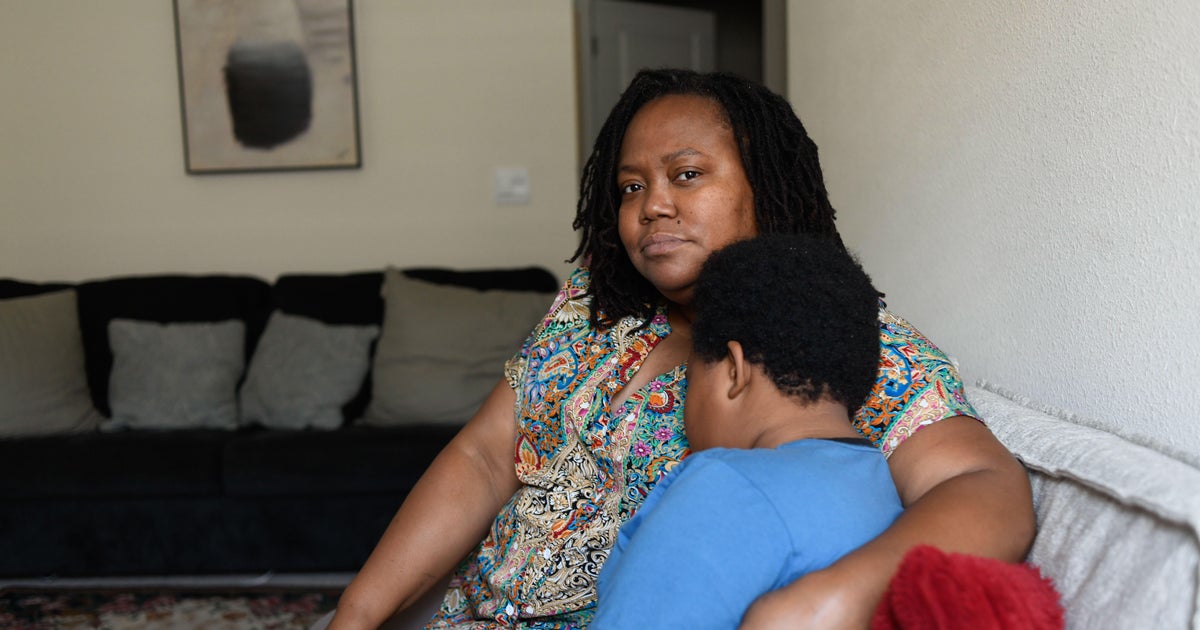
Moving forward, the Department of Justice and HHS will now manage the responsibilities formerly held by the Department of Education. Parents currently awaiting decisions on federal discrimination complaints, such as Josette Smith in Florida, face extended wait times as the new agencies integrate these roles. The administration has also vowed to stop "equity" investigations related to school discipline. Deadlines for resolving the existing backlog of 12,000 cases have not been reported, and the full transition of special education oversight continues under the new departmental structures.