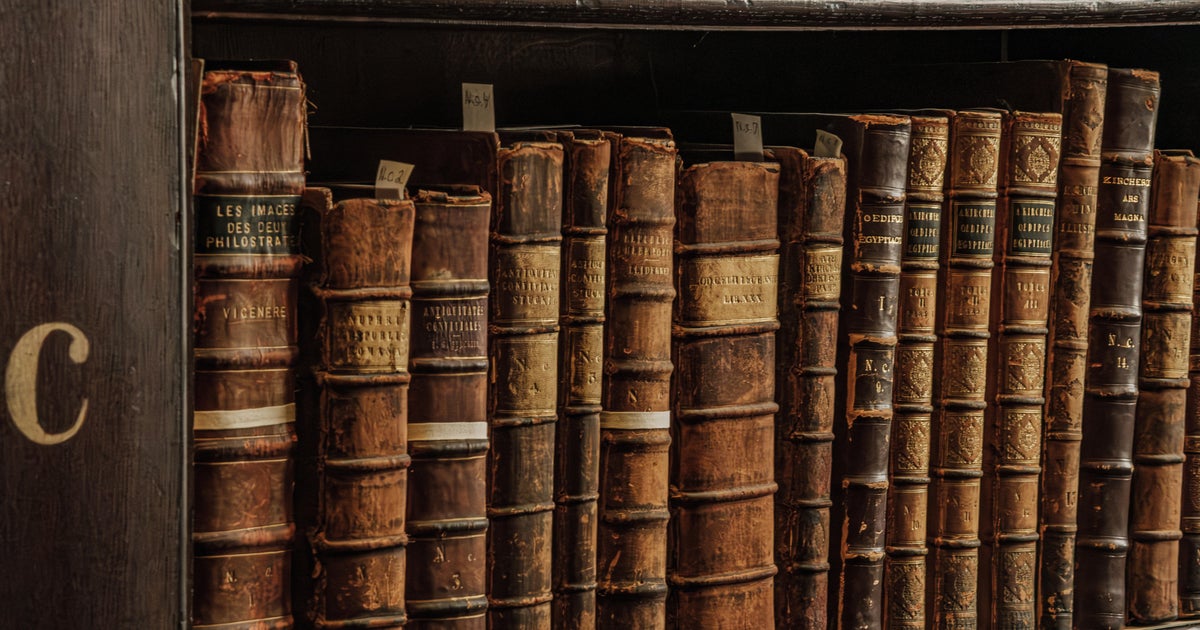
More than a dozen public interest and consumer advocacy groups have requested that the Federal Trade Commission (FTC) investigate artificial intelligence developers over allegations that they are purchasing and destroying physical books after digitizing them. In a letter sent on a Friday to FTC Chairman Andrew Ferguson and Commissioner Mark Meador, groups including the Demand Progress Education Fund and the Consumer Federation of America alleged that AI companies are buying books in bulk to train large language models and then destroying the physical copies. The groups characterized these actions as anticompetitive and destructive to public access.
The advocacy groups cited reports that some of the destroyed volumes may include the last surviving copies of specific original works. They argued that this "hoard-and-destroy" method could violate Section 5 of the FTC Act, which prohibits unfair or deceptive acts or practices in commerce. The organizations are asking the FTC, a federal agency tasked with consumer protection and antitrust enforcement, to determine the total number of books affected and how many were unique copies.
The letter references an August 2024 copyright lawsuit filed by author Andrea Bartz against the AI developer Anthropic. That lawsuit accused the company of acquiring, scanning, and discarding millions of print books. However, in 2025, a judge ruled that Anthropic’s use of legally purchased books to train its "Claude" AI model did not violate copyright law. Additionally, a report from the digital publisher 404 Media alleged that Amazon has engaged in similar practices of bulk purchasing, scanning, and destruction. Neither Anthropic nor Amazon immediately responded to requests for comment.
For the average person, this could eventually manifest as a change in how they access historical or out-of-print information. If physical copies are destroyed and the digital versions remain proprietary to a few corporations, a student or researcher might find that a text previously available through a library loan is now only accessible through a paid AI subscription service. The advocacy groups claim this could lead to a future where only the wealthiest companies hold the "written works of humanity," though the specific monetary cost to individual consumers is not yet known.
The situation sets a potential precedent for how physical property rights interact with digital data collection. A ruling or investigation by the FTC could determine whether the destruction of legally purchased goods constitutes an illegal barrier to entry for competitors. While a 2025 court ruling found no copyright violation in the use of these books for training, the FTC's focus would be on market competition rather than intellectual property. The next steps depend on whether the FTC commissioners vote to open a formal inquiry or if the agency issues subpoenas to quantify the scale of book destruction.