The Alternative for Germany (AfD) party is leading in opinion polls ahead of the September 6 state election in Saxony-Anhalt, where its platform includes significant changes to education and cultural funding. The party's manifesto proposes shifting the focus of German history curricula and reducing financial support for what it describes as "anti-German" art. The AfD currently maintains a lead in regional polling, though other major parties have stated they will not enter into a coalition with the group.
The AfD's regional branch was classified as "right-wing extremist" by German domestic intelligence in 2023. The agency reported that the local party's goals were influenced by "racist ideology" and were anti-democratic, claims the AfD has dismissed as politically motivated. The party is seeking a parliamentary majority in Saxony-Anhalt, which would allow it to manage state-level services such as policing, culture, and education without a coalition partner.
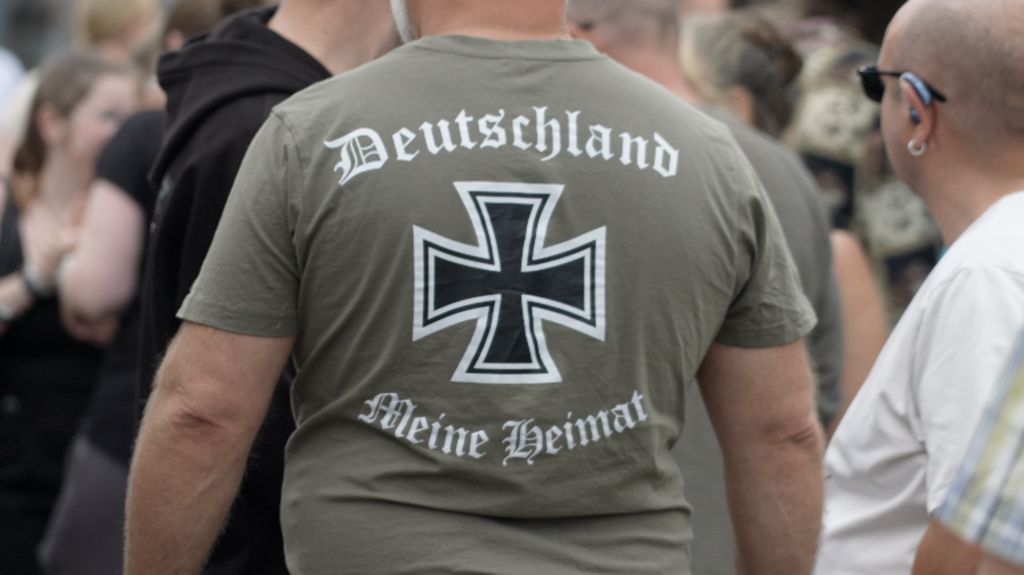
Under the party’s proposed "patriotism" agenda, the school history curriculum would place more emphasis on the century preceding the World Wars. Hans-Thomas Tillschneider, who designed the program, stated the new approach would include "more Bismarck, less Hitler," referring to Otto von Bismarck. Additionally, the party intends to mandate the raising of the German flag at public schools every weekday and increase the preservation of war memorials dedicated to German soldiers.
The scale of this shift involves the entire population of the eastern German state, where the AfD is currently polling at the top of the field. While specific dollar amounts for the proposed art funding cuts were not reported, the party’s platform aims to move away from Germany’s established "memory culture"—the practice of focusing on Nazi-era crimes as a moral anchor. This policy would set a new precedent in post-war German governance, marking the first time a party with this classification has held significant state power. Critics of the party argue this represents a revision of history, while AfD leaders, such as state premier candidate Ulrich Siegmund, describe it as a return to a "normal" sense of national pride.
The immediate impact will be determined by the vote on September 6. If no party secures a majority and other groups maintain their refusal to form a coalition with the AfD, the state could face a period of political instability or a minority government. Beyond Saxony-Anhalt, the results will serve as a measure of the AfD’s national momentum, as the party is also showing increased support in federal polling. The next steps for the region involve the final week of campaigning leading up to the September 6 deadline.