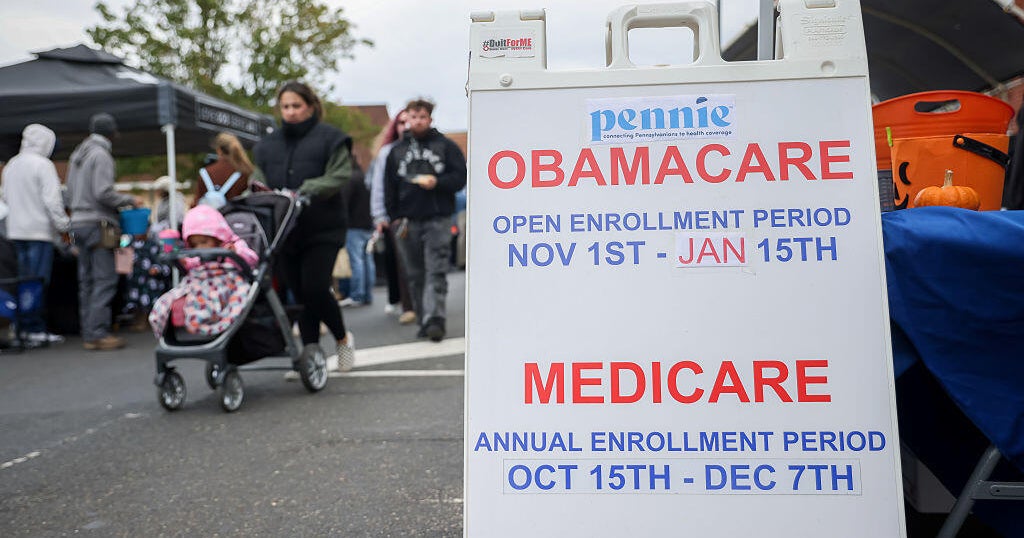
Open enrollment for 2027 Affordable Care Act (ACA) health insurance begins November 1 in most states, bringing new identification requirements, higher premiums, and a moratorium on new insurance brokers. These changes follow the expiration of enhanced federal subsidies at the end of 2025, a shift that policy experts say led millions to lose or drop coverage earlier this year. The Trump administration has stated that recent enrollment declines reflect efforts to reduce fraud, including the cancellation of approximately 760,000 policies in August that were suspected of being improperly established.
To address unauthorized enrollments, the Centers for Medicare & Medicaid Services (CMS) has implemented new security measures for the 29 states using the federal marketplace. All consumers using an agent must now provide a one-time confirmation code received via text, email, or phone to authorize the broker. Additionally, "high-risk" applicants—including first-time filers, those moving states, those switching agents, or those with premiums of $30 or less—must verify their identity through a third-party service like Experian or by uploading government identification to healthcare.gov.
Marketplace costs are also projected to rise, with average premiums expected to increase by 15% for 2027. This follows a 26% increase the previous year. Out-of-pocket maximums will rise by 13%, reaching $12,000 for individuals and $24,000 for families. Furthermore, the One Big Beautiful Bill Act passed by Congress has ended subsidy eligibility for many lawfully present immigrants, including those with H-1B visas, refugees, and asylees, while maintaining eligibility for green-card holders and specific groups from Cuba, Haiti, Micronesia, the Marshall Islands, and Palau.
The administrative changes will also impact approximately 19,000 insurance agents who are currently barred from registering to sell ACA plans due to a CMS moratorium on new brokers. Industry groups like the National Association of Benefits and Insurance Professionals and Health Agents for America have filed lawsuits against the Trump administration, arguing the moratorium unfairly targets new agents and could lead to a shortage of available help for consumers during the enrollment window. Small brokerages report they are unable to hire seasonal staff, which may lead to longer wait times for consumers seeking professional assistance with their applications.
The new identification protocols may create hurdles for roughly one in five consumers, according to insurance agency estimates, particularly those without established credit files or those who have recently changed names. These barriers, combined with the removal of subsidies for various immigrant groups, could further impact overall enrollment numbers. Open enrollment is scheduled to run from November 1, 2026, through January 15, 2027, in most states, though Idaho, Connecticut, and Massachusetts began earlier. New brokers will not be permitted to register until February 2027 at the earliest, after the primary enrollment period has concluded.