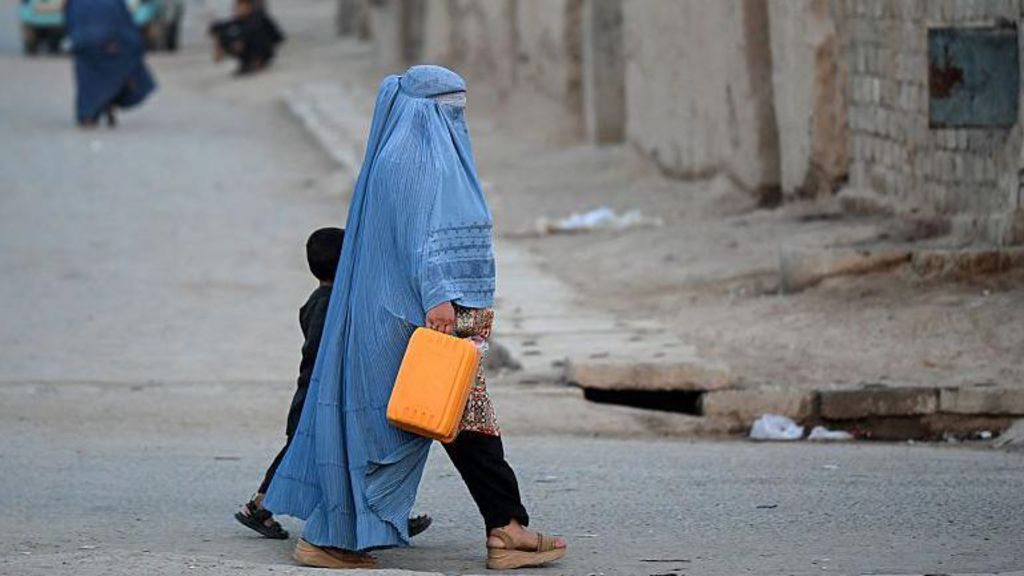
Women and girls in Afghanistan report significant changes to their daily lives and legal standing five years after the Taliban returned to power. According to interviews conducted by the BBC, women described the implementation of restrictions on education, employment, and physical movement, as well as the return of public corporal punishment. The Taliban government has contested some of these accounts, stating that women are not totally restricted from public life.
The current situation follows the Taliban's 2021 takeover of the country, which occurred two decades after they were removed from power by a U.S.-led coalition. Since then, the administration has introduced a series of decrees and laws, including restrictions on travel without male chaperones and legal frameworks that imply approval for child marriage. The United Nations reports that only 7% of Afghan women are currently employed.
Personal accounts provided to the BBC detail the impact of these policies. One woman, Shaima, reported being publicly flogged 50 times after being forced to confess to "collaborating with infidels." Another woman, Manizha, said she was lashed 39 times and imprisoned due to a friendship with a man. In the health sector, midwives expressed concern over high maternal mortality rates, noting that rules requiring women to be treated only by female medical staff have created barriers to care.
For the average household, these restrictions manifest as a total loss of secondary income for families where women were previously employed as journalists, teachers, or civil servants. Residents like Ela from Kabul noted that the struggle for basic survival has replaced long-term career goals for many. While Taliban Foreign Minister Amir Khan Muttaqi claims the number of female entrepreneurs has grown from 30,000 in 2021 to 120,000 today, the UN employment figures suggest a broad withdrawal of women from the formal workforce.
The ongoing restrictions have created a precedent for a gender-segregated society where women face legal and physical consequences for unauthorized social interactions or travel. The knock-on effects include a growing reliance on underground or online schooling, though these do not lead to recognized degrees for professions like medicine or aviation. The Taliban administration maintains that these restrictions are "until further notice," but no specific dates or criteria for lifting them have been provided.