The Plain Record

Neutral daily news — clear headlines, complete facts.

Politics

Agriculture Secretary addresses trade tensions following reciprocal U.S.-Canada tariffs

Agriculture Secretary Brooke Rollins addressed farmer concerns as the U.S. and Canada implemented $20 billion in reciprocal tariffs.

Published August 25, 2026 at 6:10 PM EDT

The short answer

Agriculture Secretary Brooke Rollins addressed farmer concerns as the U.S. and Canada implemented $20 billion in reciprocal tariffs. Agriculture Secretary Brooke Rollins on Tuesday addressed ongoing trade tensions with Canada, acknowledging that the situation has caused concern among American farmers and ranchers.

Agriculture Secretary addresses trade tensions following reciprocal U.S.-Canada tariffs

The Facts

Who
Agriculture Secretary Brooke Rollins and President Donald Trump
What
Agriculture Secretary Brooke Rollins defended U.S. trade policy with Canada while acknowledging farmer concerns following reciprocal $20 billion tariffs.
When
Tuesday, August 25, 2026
Where
Washington, D.C.
Why
The U.S. and Canada have engaged in an escalating trade conflict involving $40 billion in combined tariffs affecting dairy and other goods.

Timeline of what happened

Key dates and decisions, in the order they occurred.

  1. August 25, 2026

    Rollins speaks at White House regarding Canada trade tensions

  2. August 25, 2026

    Canada announces $20 billion in retaliatory tariffs against the U.S.

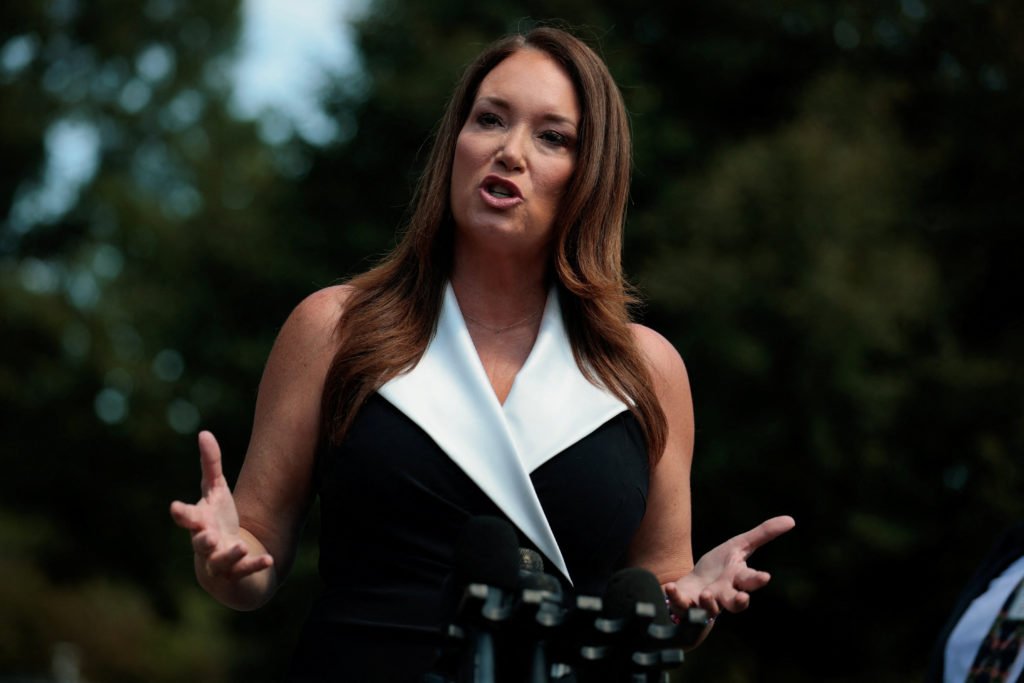
Agriculture Secretary Brooke Rollins on Tuesday addressed ongoing trade tensions with Canada, acknowledging that the situation has caused concern among American farmers and ranchers. Speaking to reporters at the White House, Rollins defended the administration's trade actions while stating that the United States would eventually benefit from the current negotiations.

The remarks followed a series of trade escalations between the two nations. The U.S. government recently implemented new tariffs on approximately $20 billion worth of Canadian imports, a figure that includes various dairy products. In response, the Canadian government announced its own retaliatory tariffs on roughly $20 billion of American goods.

Rollins described President Donald Trump as the "ultimate negotiator" and asked agricultural producers to trust the administration's strategy. While admitting there are "a lot of unknowns" regarding the trade dispute, she expressed confidence that American farmers and ranchers would ultimately be the primary beneficiaries once negotiations are concluded.

American producers will likely notice shifts in demand or prices for their goods as the $20 billion in retaliatory Canadian tariffs take effect. Farmers and ranchers, specifically cited by Rollins as having "concern," may face immediate uncertainty regarding market access and profit margins while the tariffs remain active. These actions set a precedent for using significant trade levies as a primary tool in bilateral negotiations between the two North American neighbors.

The next steps involve a new round of negotiations, though specific dates and deadlines for these talks were not reported. The impact on agricultural markets will continue as both sets of tariffs—totaling $40 billion in combined trade affected—remain in place. The effective dates for the specific Canadian retaliatory measures were not detailed in the report.

Summaries are written by The Plain Record to state the facts of a story plainly and without political slant. See our editorial standards, or report a correction.

← Back to the front page

Questions readers ask

What happened: Agriculture Secretary addresses trade tensions following reciprocal U.S.-Canada tariffs?

Agriculture Secretary Brooke Rollins defended U.S. trade policy with Canada while acknowledging farmer concerns following reciprocal $20 billion tariffs.

Who is involved?

Agriculture Secretary Brooke Rollins and President Donald Trump

When did this happen?

Tuesday, August 25, 2026

Where did this happen?

Washington, D.C.

Why does this matter?

The U.S. and Canada have engaged in an escalating trade conflict involving $40 billion in combined tariffs affecting dairy and other goods.