The Plain Record

Neutral daily news — clear headlines, complete facts.

National

AI Data Center Expansion Contributes to Rising U.S. Electricity Costs

Energy experts report that demand from artificial intelligence data centers is contributing to higher electricity consumption and utility rates for U.S. households.

Published October 2, 2026 at 2:51 PM EDT

The short answer

Energy experts report that demand from artificial intelligence data centers is contributing to higher electricity consumption and utility rates for U.S. households. The proliferation of large-scale computing facilities used for artificial intelligence and cloud services is projected to increase U.S. electricity consumption to record highs, according to energy experts.

AI Data Center Expansion Contributes to Rising U.S. Electricity Costs

The Facts

Who
U.S. ratepayers, utility companies, and AI technology firms.
What
The expansion of AI data centers is contributing to higher residential electricity costs and straining the U.S. power grid.
When
Ongoing, with specific rate hikes and projections cited for 2025 and 2026.
Where
United States, with concentrations in Virginia, California, and Texas.
Why
Data centers require significant power for computing and cooling, leading utilities to raise rates to fund infrastructure expansion.

The proliferation of large-scale computing facilities used for artificial intelligence and cloud services is projected to increase U.S. electricity consumption to record highs, according to energy experts. Earlier this year, the New Jersey Board of Public Utilities warned that residential electricity bills could rise by up to 20% starting June 1, identifying data centers as a primary driver. Mark Wolfe, executive director of the National Energy Assistance Directors Association, stated that utilities are raising rates to fund new infrastructure necessitated by the technology sector's growing energy needs.

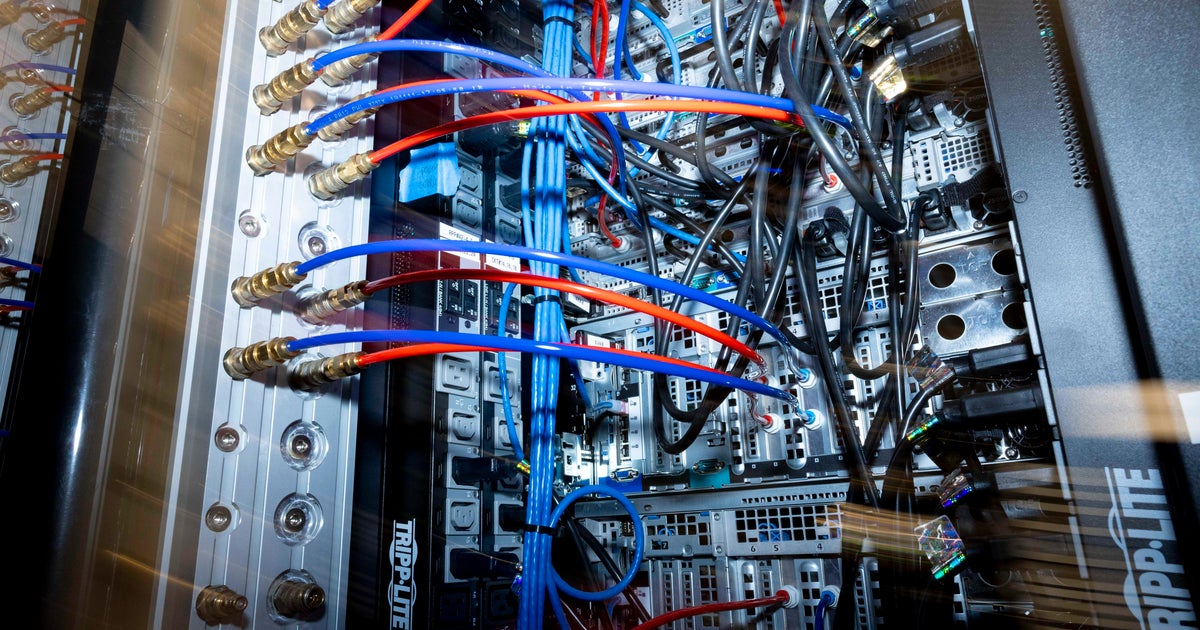
The number of domestic data centers nearly doubled between 2021 and 2024, according to a report from Environment America. These facilities, which house thousands of computer servers and cooling systems, accounted for 4.4% of U.S. electricity use in 2023. A December 2024 Department of Energy (DOE) estimate projected this figure could reach 12% by 2028. Generative AI technology contributes to this demand; the Electric Power Research Institute found that AI searches require 10 times more electricity than standard internet searches.

Utilities are currently adjusting their long-term pricing and infrastructure plans. In April, Dominion Energy in Virginia proposed a monthly price increase of $8.51 for 2026 and suggested a separate rate class for high-energy users like data centers. While PG&E suggests that higher grid utilization could eventually lower rates, other analysts point to the high cost of new transmission lines and power plants. According to Labor Department data, national electricity prices rose 4.5% over the year preceding November 2025.

Individual households may notice these changes through higher monthly utility bills and potential impacts on grid reliability. North American Electric Reliability Corp reported that facilities servicing AI companies are being developed faster than the power plants and transmission lines to support them, which may lead to lower system stability. In some regions, winter heating bills for those using electricity are expected to rise to $1,205 this season, a 10% increase from the previous year.

Policy changes could further shift these costs. Analysts from Rhodium Group projected that a Republican-backed budget package could increase a family’s annual energy expenditures by nearly $400 by repealing existing tax credits. Conversely, governors-elect in New Jersey and Virginia have promised to protect residents from data center-driven price hikes. Moving forward, the International Energy Agency expects worldwide electricity demand from data centers to more than double by 2030, which will continue to pressure state regulators to decide how infrastructure costs are distributed.

Timeline of what happened

Key dates and decisions, in the order they occurred.

  1. 2023

    Data centers account for 4.4% of U.S. electricity consumption

  2. December 2024

    DOE releases report evaluating data center electricity demand increase

  3. April 2025

    Dominion Energy Virginia proposes 2026 rate hike and new data center rate class

  4. June 1, 2025

    New Jersey electricity bill surge of up to 20% scheduled to begin

  5. November 26, 2025

    EIA reports residential electricity prices rose 7.4% to 18 cents per kWh

Summaries are written by The Plain Record to state the facts of a story plainly and without political slant. Drafted with AI assistance and checked against the source record before publication. See how we report, or report a correction.

← Back to the front page

Questions readers ask

What happened: AI Data Center Expansion Contributes to Rising U.S. Electricity Costs?

The expansion of AI data centers is contributing to higher residential electricity costs and straining the U.S. power grid.

Who is involved?

U.S. ratepayers, utility companies, and AI technology firms.

When did this happen?

Ongoing, with specific rate hikes and projections cited for 2025 and 2026.

Where did this happen?

United States, with concentrations in Virginia, California, and Texas.

Why does this matter?

Data centers require significant power for computing and cooling, leading utilities to raise rates to fund infrastructure expansion.