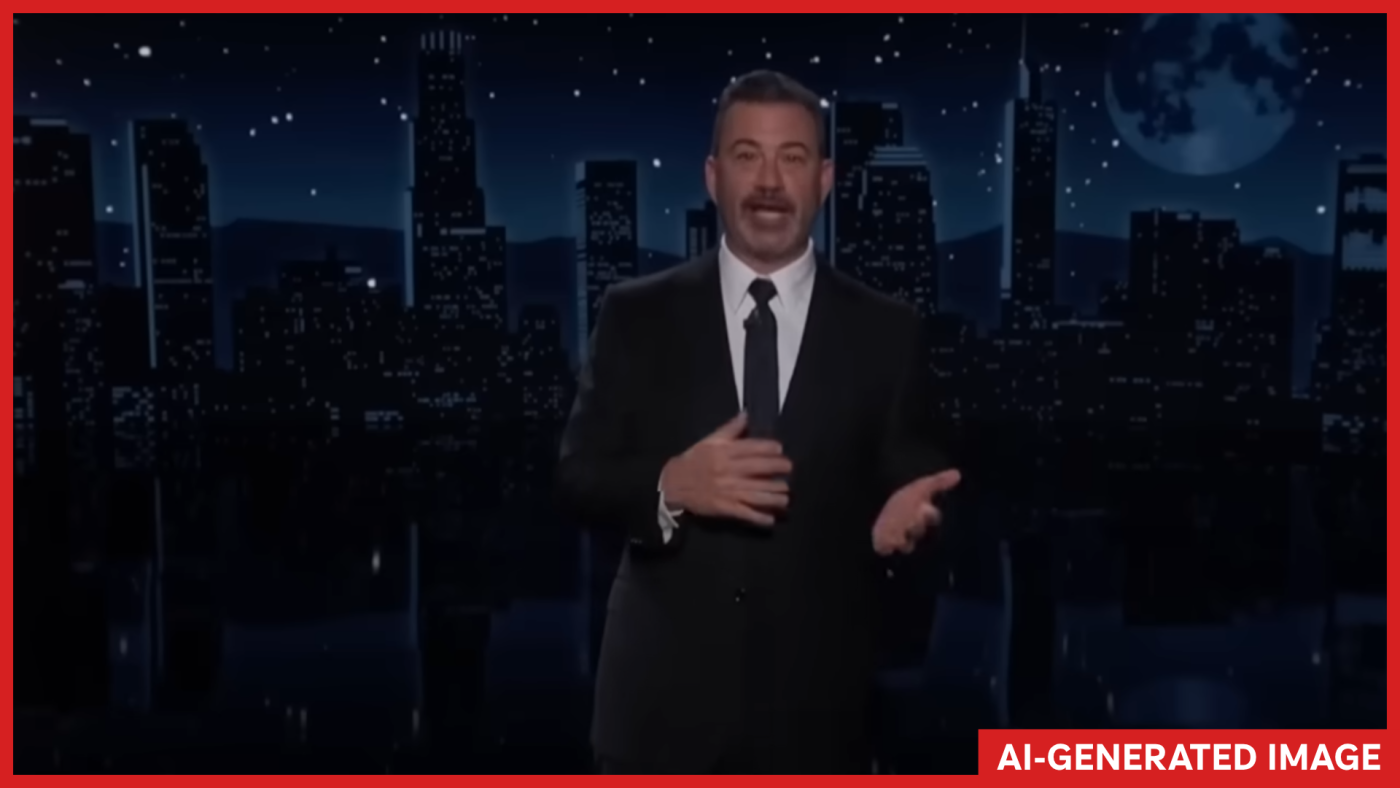
AI-generated videos using the likenesses of late-night talk show hosts, including Jimmy Kimmel and Jon Stewart, are appearing on social media platforms. These "deepfakes" often feature the hosts commenting on current political events, such as President Trump or specific candidates, using cloned voices and animated still images. Experts note that these specific celebrities are targeted because their established roles as political commentators provide a natural context that makes the fake clips appear authentic to casual viewers.
The rise of these videos coincides with ongoing legal tensions between media companies and federal regulators. ABC and its parent company, Disney, filed a lawsuit in August 2026 against the Federal Communications Commission (FCC) regarding First Amendment protections. Jed Rosenzweig, editor of LateNighter.com, stated that because Jimmy Kimmel is frequently criticized by the Trump administration, AI-generated videos showing the host mocking the former president could impact how the network is scrutinized by regulators who are already watching the network nightly.
Technical experts state that talk show hosts are easier to simulate than other celebrities because they typically speak directly to a camera from a stationary position. Hany Farid, a computer science professor at Dartmouth College, explained that a deepfake can be created using a single image, a 15-second voice sample, and a script. While some videos are used for political disinformation, Farid noted that others serve as "clickbait" intended to generate advertising revenue through high view counts.
The scale of the issue is reflected in engagement metrics, with one unauthorized video reaching over 230,000 views on YouTube. Individual users may find it difficult to distinguish real monologues from AI-generated ones, though telltale signs include odd physical gestures and scripts that lack the quality of professional writing. The impact extends to the legal rights of the performers themselves; while the 2025 TAKE IT DOWN Act criminalized intimate deepfakes, it does not cover non-sexual content like unauthorized political or satirical commentary using a person's likeness.
Major technology platforms, including TikTok, Meta, and Google, have implemented policies requiring creators to label AI-generated content. However, the effectiveness of these measures remains inconsistent. For example, a fake video of Jon Stewart remained on TikTok for two months without a label, and a Jimmy Kimmel deepfake stayed on YouTube for three weeks. As AI technology advances, lawmakers in states like California and Tennessee have enacted "digital replica" protections to address legal gaps.
What happens next: The legal battle between ABC/Disney and the FCC is ongoing following their August 18, 2026, lawsuit filing. Platforms continue to use likeness detection and moderation technologies to identify and remove unauthorized content when reported by the affected parties. Further federal legislative action beyond the existing TAKE IT DOWN Act has not yet been finalized.