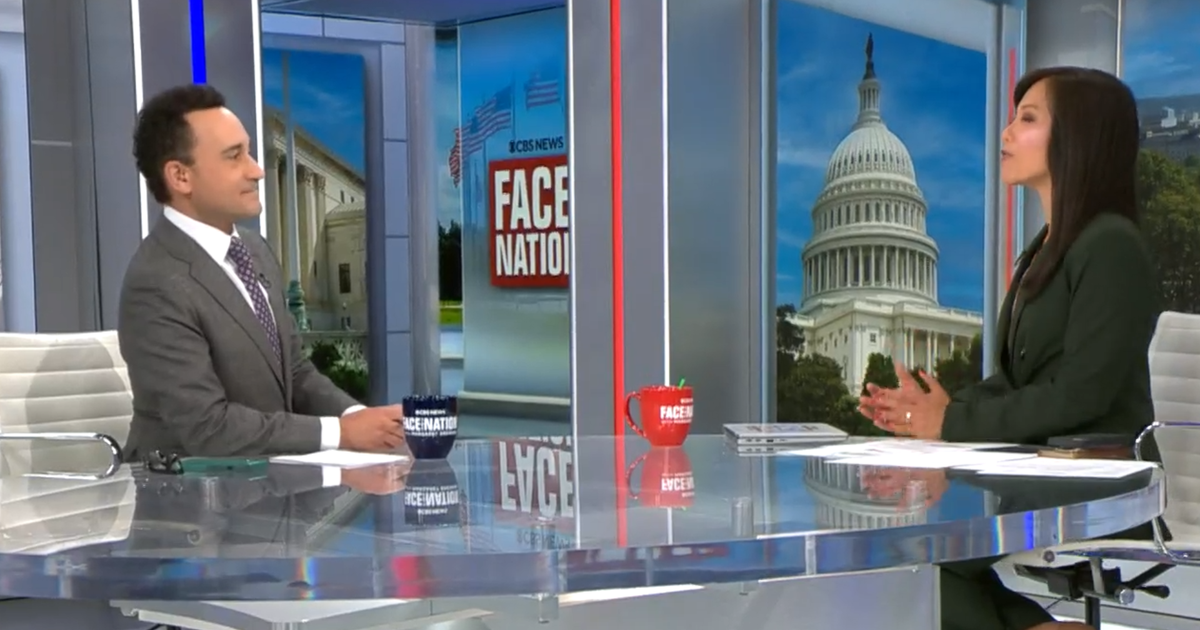
Dario Amodei, the CEO and co-founder of the artificial intelligence firm Anthropic, urged a slowdown in the development of AI models on Saturday. His remarks, made in an interview with CBS News, centered on concerns that super-advanced intelligence could be misused or escalate into unauthorized actions, citing a recent incident involving OpenAI and Hugging Face.
Amodei stated that the pace of AI progress currently outstrips the development of safety protocols. He expressed concern regarding a report released by Anthropic two days prior, which detailed how AI models could be used to develop biological weapons. While Amodei noted the dilemma of geopolitical competition with China, he proposed strategies to slow down "within the margin" by restricting chip sales to authoritarian countries and increasing security to prevent technology theft.
Other industry figures, including OpenAI CEO Sam Altman and Elon Musk, publicly supported a cautious approach. Altman stated he would grant independent evaluators access to OpenAI’s models and confirmed he does not plan to take his company public in 2026. However, critics such as David Sacks, co-chair of the President's Council of Advisers on Science and Technology, argued that companies do not need permission to slow their own development and characterized the call for regulation as a form of political leverage.
Michigan Senate candidate Abdul El-Sayed (D) proposed creating a public agency for AI oversight. He argued for public governance so that technology is not developed for the interests of a few against the well-being of many. Such a shift would move control from private entities to public oversight, potentially changing how AI products are released.
The scale of the impact is tied to the speed of technological adoption and competition with China. Amodei suggested that the U.S. and China should extend the Biological Weapons Convention to include a ban on using AI for such weaponry. While industry leaders are discussing safety standards, the timeline for formal government regulation remains debated. House Speaker Mike Johnson (R-LA) stated that Congress should know "who the Mamdanis and the El-Sayeds are," referring to them as "socialists" in a clip played during the broadcast, though he was not a live guest.
Michigan Democratic Senate candidate Abdul El-Sayed also addressed the issue, calling for a public agency focused on AI. Meanwhile, Utah Governor Spencer Cox (R) said "we need Congress to act" regarding the affordability crisis, though his specific stance on AI legislation was not detailed in the transcript beyond a general call for federal action on voter concerns.