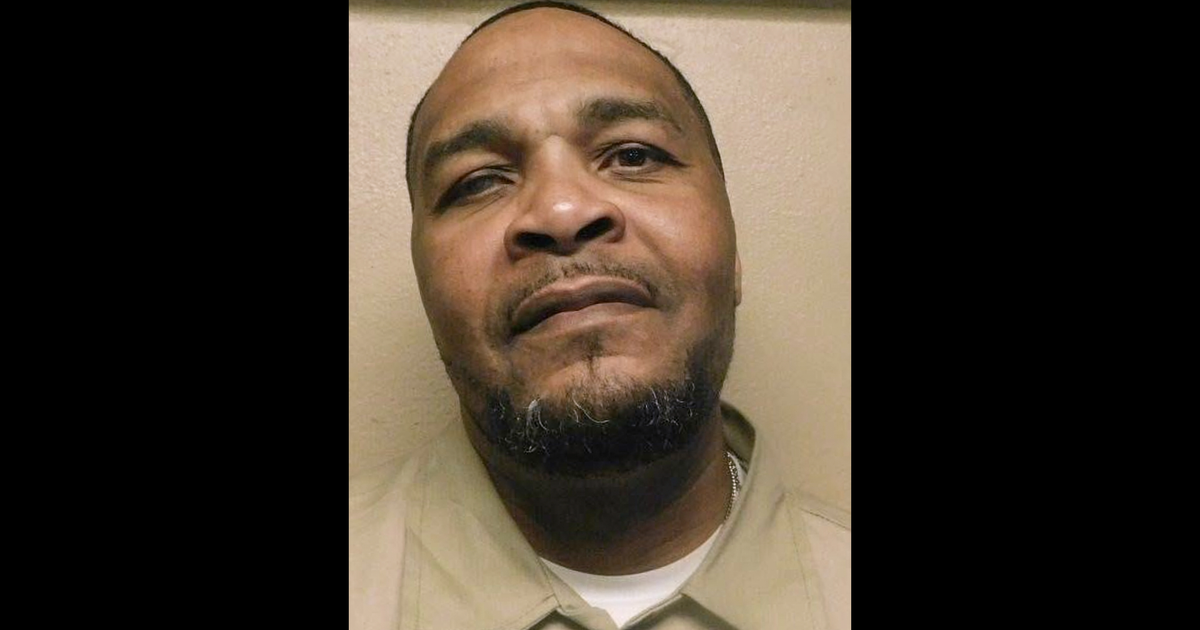
Alabama authorities executed Jeffery Lee by lethal injection on a Thursday, three months after a district judge blocked the state's plan to put him to death using nitrogen gas. Lee, 49, was pronounced dead at 6:22 p.m. at the William C. Holman Correctional Facility in Atmore. In his final words, Lee stated that he loved his family and his "brothers on life row."
Lee was convicted in 2000 for the December 12, 1998, murders of Jimmy Ellis and Elaine Thompson at a pawn shop in Orrville. Ellis was a singer known for performing as an Elvis Presley impersonator under the name "Orion." A third employee survived the shooting by pretending to be dead and later testified that Lee used a sawed-off shotgun during the robbery.
The execution followed a legal dispute over the method of death. In 2018, Lee and the state agreed that if he were to be executed, it would be by nitrogen hypoxia, leading Lee to dismiss a lawsuit challenging lethal injection protocols. However, District Judge Emily Marks later ruled that Alabama's nitrogen gas protocol was unconstitutionally cruel under the Eighth Amendment, barring its use for Lee. Following that ruling, the Alabama Attorney General's office sought a new date for execution by lethal injection.
This execution affects the approximately two dozen people on Alabama’s death row who, like Lee, were sentenced to death by a judge despite a jury's recommendation for life imprisonment. While Alabama abolished this practice of "judicial override" in 2017, the law was not retroactive, meaning those sentenced under the previous system remain eligible for execution. In Lee’s specific case, the jury had voted 7–5 to recommend life without parole before the trial judge overrode the decision.
The case also centers on the legal rights of death row inmates regarding execution methods. Lee’s attorneys argued that the state was bound by a 2018 agreement to use nitrogen gas and suggested the state could revise its protocol or use a firing squad instead of returning to lethal injection. The U.S. Supreme Court declined to stay the execution, with the state arguing that nothing precluded the switch back to its primary method, lethal injection, after the nitrogen protocol was found unconstitutional for Lee.
This marks the 27th execution in the U.S. in 2026 and the second in Alabama this year. The use of nitrogen gas, which has occurred seven times in Alabama and once in Louisiana since early 2024, continues to face scrutiny. While Lee’s execution has been carried out, the legal status of other inmates who selected nitrogen gas remains subject to current protocols and litigation.