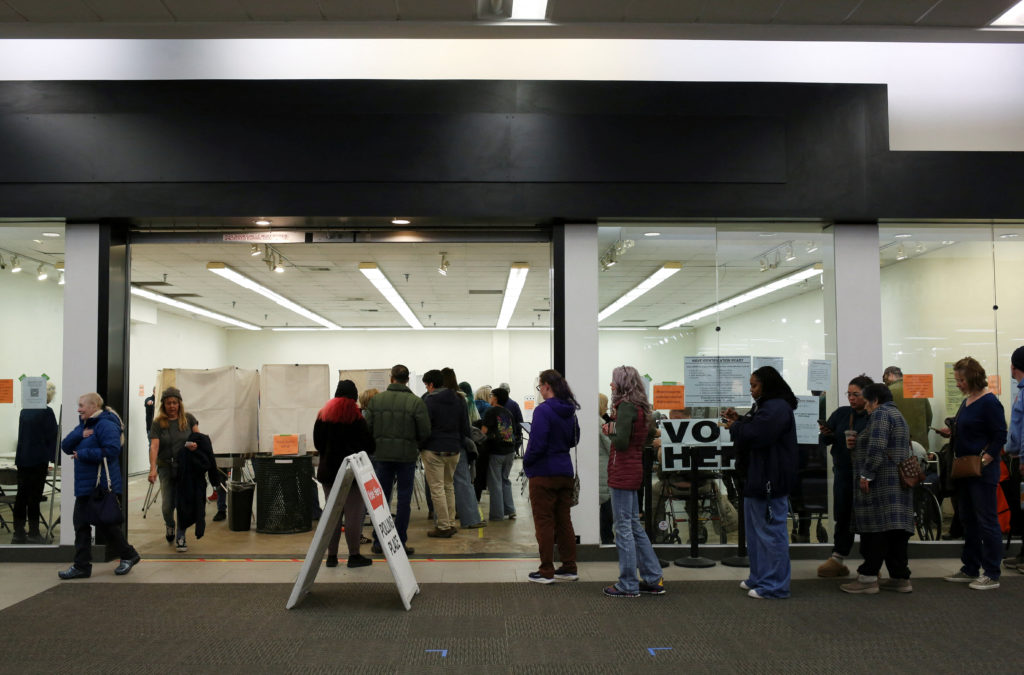
Alaska's state government filed a motion on Saturday, October 31, 2026, asking a federal judge to dismiss a U.S. Department of Justice lawsuit aimed at blocking the certification of the state's U.S. Senate election results. The lawsuit, filed at the direction of President Donald Trump, seeks to prevent Democrat Mary Peltola from being declared the winner over Republican incumbent Sen. Dan S. Sullivan until the impact of a second candidate named Dan J. Sullivan is evaluated.
The legal dispute centers on allegations that Peltola’s campaign recruited Dan J. Sullivan, a retired school teacher from Petersburg, to run as a "spoiler" candidate to confuse voters. The Department of Justice (DOJ) argues it has a responsibility to ensure election integrity under a 1990s voter registration law and has launched a criminal investigation into the matter. Peltola has denied the allegations, and the Alaska Supreme Court previously ruled this summer that the second Sullivan met all legal requirements to appear on the ballot.
In the Saturday filing, the Alaska Attorney General’s office argued the DOJ's request to isolate ballots ranking Dan J. Sullivan is "impossible" and would violate voter privacy rights. State officials noted that the ballot clearly distinguishes the two men, listing the incumbent as a Republican and the other candidate as "Daniel J. Sullivan Jr." The American Civil Liberties Union and Peltola's campaign also filed motions seeking dismissal, arguing the federal government lacks the authority to interfere in state election certification.
The scale of the impact involves the entire voting population of Alaska, which consists of hundreds of thousands of registered voters. A delay in certification would leave one of the state's two Senate seats vacant until the legal and criminal proceedings conclude. For individual households, this means a lack of full representation in federal legislative votes and constituent services during the transition to the next Congress. The state has already spent resources designing ballots and defending its election procedures in both state and federal court to address the presence of the two similarly named candidates.
The case sets a precedent regarding the federal executive branch's power to intervene in state-run elections using the preamble of federal registration statutes. If the lawsuit proceeds, it could establish a mechanism for the Department of Justice to pause certifications in other states based on claims of voter confusion or fraud. U.S. District Court Judge Sharon L. Gleason set a deadline of October 31 for arguments and is expected to rule on the motion to dismiss shortly. Election Day is scheduled for Tuesday, November 3, 2026.