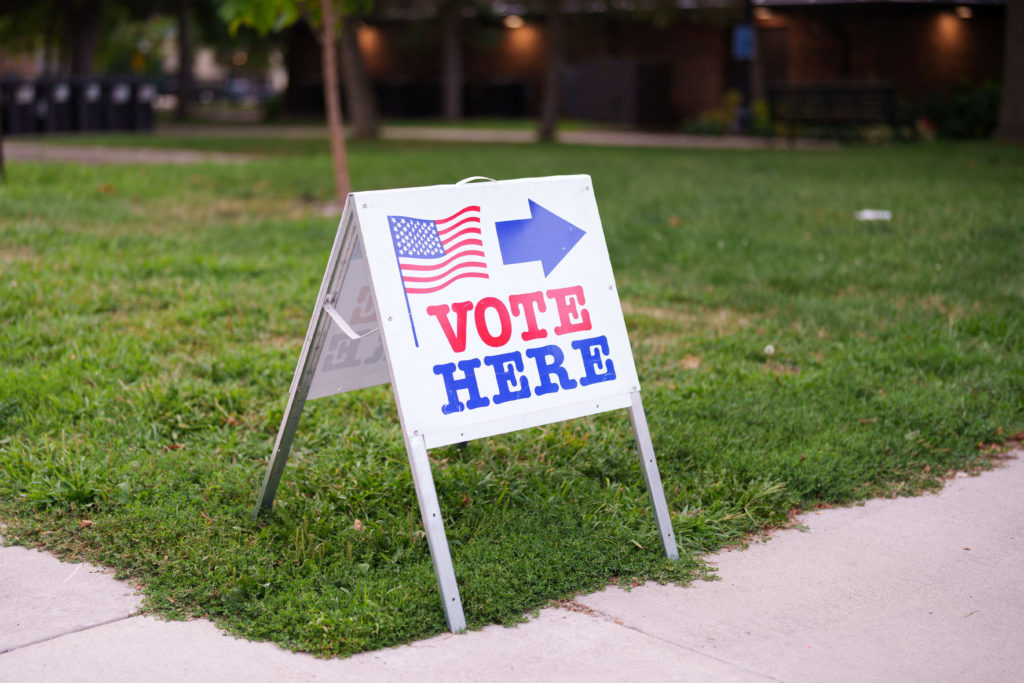
Voters in Alaska are currently considering a ballot measure intended to limit the influence of high-dollar donors in state and local elections. The measure focuses on reducing the impact of large financial contributions on the electoral process. This state-level effort follows a broader national discussion regarding the role of money in the American political system.
The initiative in Alaska comes after a recent U.S. Supreme Court ruling that altered national campaign finance regulations. The Court's decision struck down existing limits on the amount of money political parties can spend when coordinating directly with their candidates during national elections. This ruling has led to renewed debates over the transparency and scale of election spending.
Geoff Bennett of PBS NewsHour discussed the implications of these changes with Daniel Weiner on Tuesday. The conversation highlighted how the Supreme Court's action has shifted the legal landscape for national campaigns, prompting some states like Alaska to seek localized methods for managing campaign contributions. Specific details regarding the language of the Alaska ballot measure or its scheduled vote date were not reported.
A person living in Alaska would notice changes in the types of political advertisements they see and how candidates solicit funds for their campaigns. It may also lead to changes in who is able to run for office based on their access to large-scale donors versus smaller, grassroots contributions. The specific timeframe for when these changes would take effect depends on the election date and subsequent certification of the ballot results, which were not reported.
On a broader scale, the measure serves as a test case for how states might respond to the Supreme Court's decision regarding party-candidate coordination. It could set a precedent for other states looking to implement similar restrictions on election spending. The knock-on effects could influence future policy regarding transparency in donor disclosures and the overall balance of financial influence in regional government. Further details on the measure's progression and specific legal challenges remain pending.