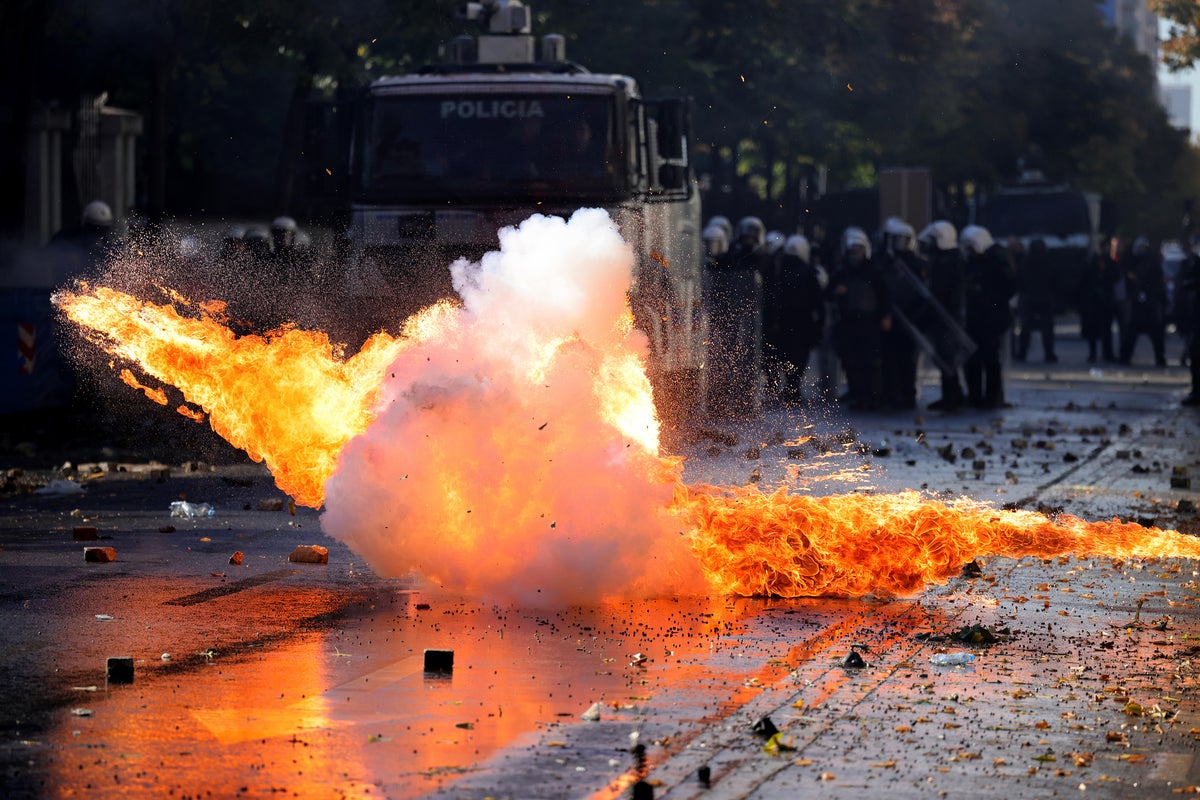
Albanian Prime Minister Edi Rama stated on Sunday, Oct. 18, 2026, that ongoing nationwide protests represent a threat to the country’s goal of joining the European Union. The demonstrations, which began in the past week, have centered in Tirana and other cities, with participants calling for Rama’s resignation. In a live address on Facebook, Rama said that the unrest challenges Albania’s mission to achieve EU membership by 2030 rather than challenging his governing majority.
The protests followed several months of largely peaceful demonstrations during the summer regarding a luxury coastal development project backed by Jared Kushner, son-in-law of U.S. President Donald Trump. The current wave of student-led demonstrations is driven by reports of government corruption, lack of employment opportunities, and poor education standards. While Rama stated his government is addressing corruption, analysts have characterized Albania as a hub for drug and weapons trafficking money laundering.
During the unrest, some demonstrators set fire to government buildings and banks and threw paving stones at law enforcement. Police responded with tear gas, water cannons, and rubber bullets. Rama attributed the violence and a reported drone attack at his office earlier in the week to "a foreign hand," though he did not specify which foreign interests were involved. As of Sunday, police reported that 388 individuals had been charged with criminal offenses, and scores of both officers and protesters had been injured.
If the accession process is delayed, it would affect the country’s target of joining the trade bloc by 2030. This would maintain current barriers for Albanian small-business owners and students seeking easier access to European markets and educational institutions. Furthermore, the Prime Minister’s claims of foreign interference and drone attacks at his office indicate a shift in the security posture of the national government, which could lead to increased surveillance or restricted public gatherings in the capital.
The situation in Albania is part of a broader trend of European unrest, including recent protests over living costs in France, Portugal, and Italy. In Albania, the immediate next steps involve the processing of the 388 criminal cases in the court system. While excavators were seen removing paving stones outside the Prime Minister’s office on Sunday to prevent their use as projectiles, no specific date for a resolution between the government and the student leaders has been set. The government's stated goal remains EU entry by 2030.