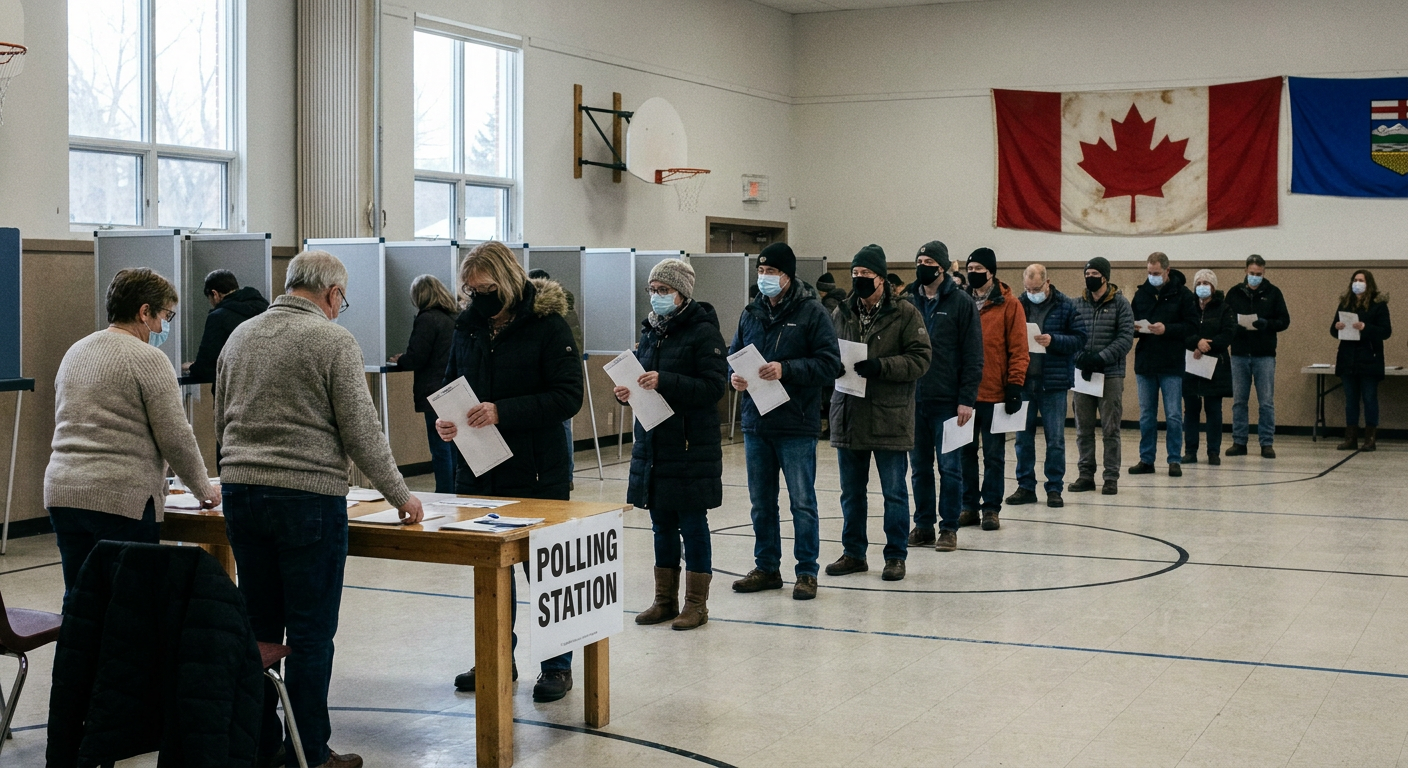
Voters in Alberta, Canada, participated in a nonbinding referendum to determine whether the province should begin a process that could lead to a vote on separating from the country. The vote consists of 10 questions covering provincial services, immigration, and constitutional status, with the final question asking residents to choose between remaining in Canada or initiating a process towards a separation referendum.
Sentiments regarding Alberta’s independence have existed for decades, recently gaining momentum during the COVID-19 pandemic and the 2022 trucker convoy protests in Ottawa. Cory Morgan of the group Pathway to Independence argued that the province needs significant change. Prime Minister Mark Carney and Alberta Premier Danielle Smith have both advocated for the province to remain part of Canada, with Carney stating that the country is "stronger together."
The debate centers largely on Alberta’s role as a major oil producer and its status as the wealthiest province in the Canadian Confederation. Some residents contend that Alberta contributes more to the federal government than it receives in return. However, a report from the University of Calgary commissioned by the government estimates that separation could cost up to $170 billion Canadian over a five-year period. Thomas Lukaszuk of the group Forever Canadian cited the 1995 Quebec referendum as a precedent, noting that the resulting migration of residents led to long-term economic consequences for that province.
Beyond the financial figures, a move toward separation would affect legal rights and provincial services. A legal challenge is underway regarding Indigenous rights, as the province is appealing a court ruling that found First Nations groups were not properly consulted about the referendum. Residents would see changes in how immigration is handled and how provincial services are funded if the province moves to distance itself from federal oversight. These changes would not be immediate, as this referendum is a nonbinding first step rather than a final legal break.
The results of this vote will set the tone for the provincial election scheduled for next year. If the separation option gains significant support, it may force federal and provincial leaders to renegotiate the terms of Alberta's participation in the Canadian Confederation. Unofficial results are expected from Elections Alberta within 48 hours of the polls closing. Following the count, the province must also resolve the ongoing court appeal regarding First Nations consultation before further steps can be finalized.