Voters in the Canadian province of Alberta took part in a nonbinding referendum on Monday to determine whether the provincial government should begin the legal process toward a future referendum on independence. The vote, described by Elections Alberta as the largest electoral event in the province’s history, asked residents to choose between remaining part of Canada or initiating a separation process.
The vote follows decades of political tension between the oil-rich province and the federal government in Ottawa. Supporters of the independence movement, such as Cory Morgan of the group Pathway to Independence, argue that the Canadian federal system is no longer functioning effectively for the province. The movement gained momentum following COVID-19 lockdowns and vaccine mandates, leading Premier Danielle Smith to call for the vote in May to assess the public's stance on the issue.
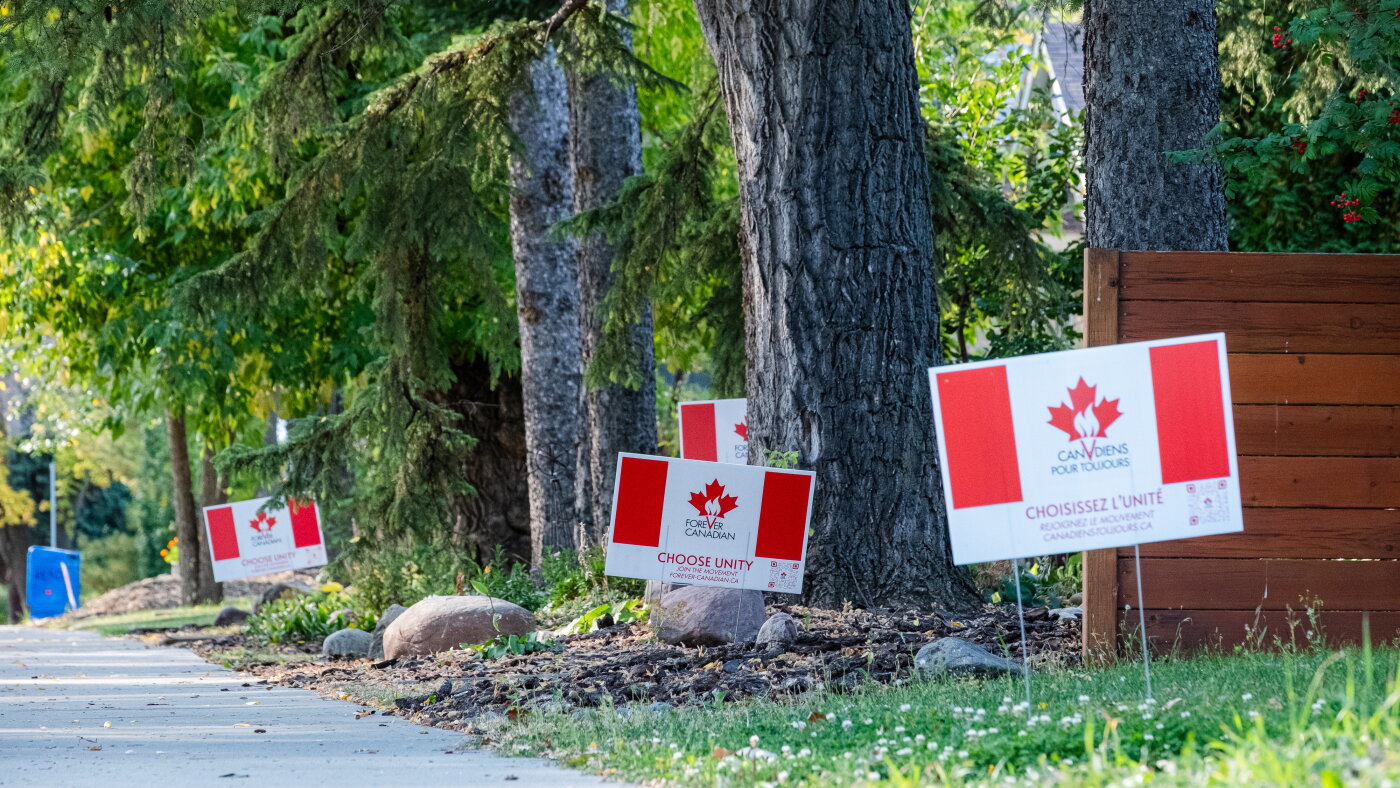
The ballot featured 10 questions, including nine regarding immigration, social services, and potential constitutional changes. The final question offered two choices: remaining in Canada or starting the legal process for a separation referendum. While pollsters estimated that approximately one in five Albertans support separation, Prime Minister Mark Carney and pro-unity advocates like former Deputy Premier Thomas Lukaszak campaigned against the measure, characterizing it as a risk to economic stability.
For the average household, separation would result in significant changes to legal and economic status. The report projected that an independent Alberta would assume a portion of Canada’s federal debt, estimated between $324 billion and $442.3 billion CAD, leading to billions of dollars in additional interest payments. Furthermore, the Supreme Court of Canada has ruled that a province cannot leave unilaterally; it must negotiate with the federal government and the nine other provinces to secure a constitutional amendment.
Legal and social hurdles remain, including the requirement to consult with First Nations, who have previously objected to the independence movement. In May, an Alberta court ruled that a separatist petition violated Indigenous rights due to a lack of consultation, a decision the province is currently appealing. Unofficial results for the 10-question referendum are expected to be posted 48 hours after the polls close, but the political debate is expected to continue through the provincial election scheduled for next year.