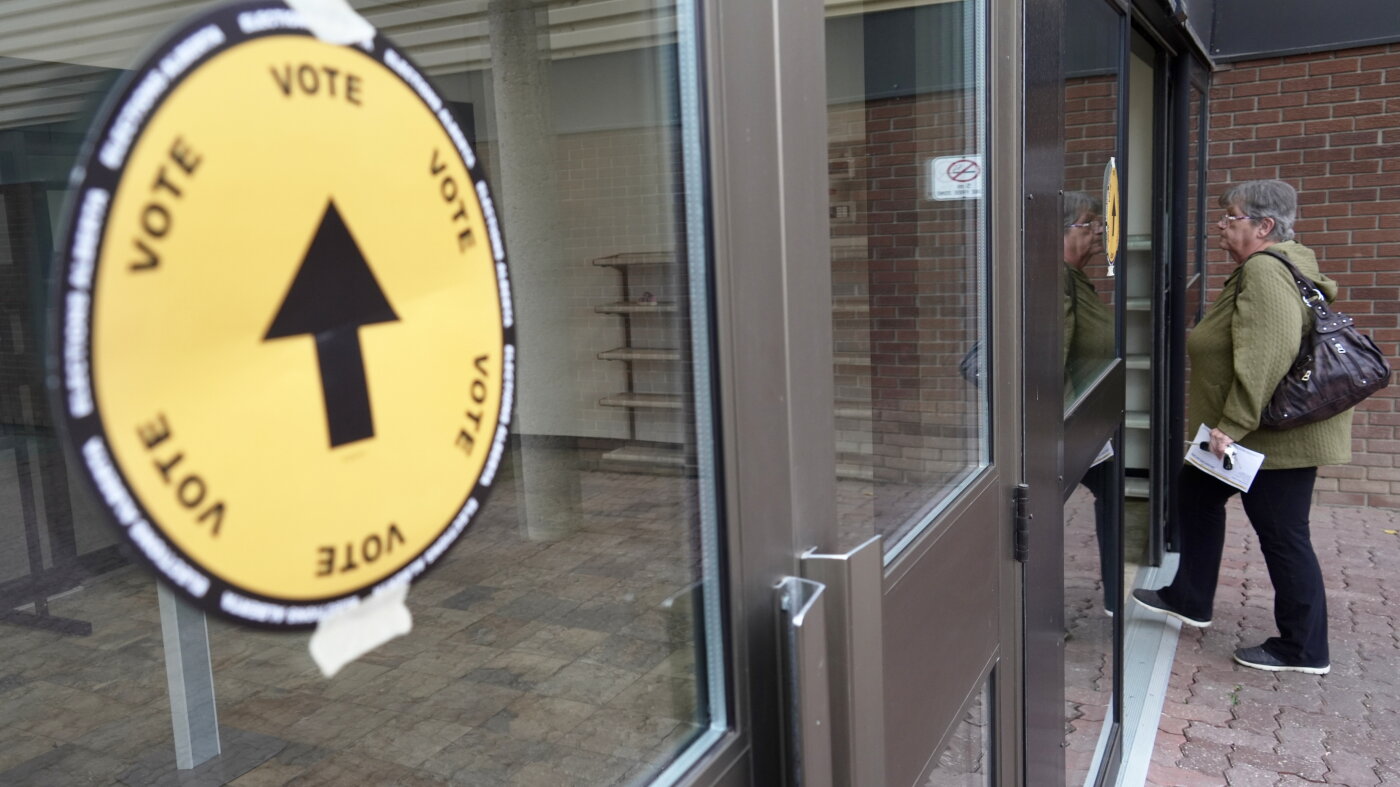
Voters in Alberta rejected a proposal on Monday, October 19, 2026, that would have initiated a legal process toward potential independence from Canada. Early results released Tuesday showed that approximately 76% of voters supported remaining in Canada, while roughly 23% voted in favor of starting the separation process. The referendum was not a direct vote on independence but rather a measure to determine whether to begin a path that could lead to a second, final vote on separation.
The referendum was called by Alberta Premier Danielle Smith following pressure from separatist factions within her governing United Conservative Party. Smith stated she opposed independence but noted that polling showing 22% support for separation was too high. Former Premier Jason Kenney observed that while separatist parties historically received only 1% to 2% of the vote, mobilization around COVID-19 restrictions helped grow the movement. The vote occurred during a period of international tension involving U.S. trade policies and statements by U.S. President Donald Trump regarding the potential annexation of Canada.
During the campaign, Prime Minister Mark Carney held rallies in Alberta, including a national unity event in Red Deer on Friday, October 16, 2026, where he urged citizens to vote for unity. Supporters of the proposal, such as separatist advocate Jeff Rath, argued that Alberta has been mistreated by the federal government in Ottawa. Conversely, opponents like Dave Malka of Edmonton criticized the cost of the referendum, suggesting funds should have been directed toward health care. Voting hours were extended at more than 100 polling stations on Monday due to late openings, and more than 1.35 million residents—about 43% of eligible voters—cast advance or special ballots.
The outcome provides a measure of stability for Canadian federal institutions and markets that had been monitoring the potential for provincial separation. Had the "yes" vote succeeded, it would have established a legal precedent for a province to begin formal withdrawal proceedings, potentially impacting federal transfer payments and national energy policy. Residents will continue to pay federal taxes and receive services from the national government as they did prior to the vote. Prime Minister Mark Carney and unity advocates characterized the result as a decisive step in preserving the country’s territorial integrity during a period of external pressure from U.S. trade and diplomatic threats.
What happens next depends on the internal dynamics of Alberta's governing United Conservative Party. Separatist advocate Jeff Rath indicated that he seeks to remove Premier Danielle Smith from leadership and suggested the party could splinter to form a new pro-independence organization. Despite the defeat of the measure, separatist leaders stated they intend to continue their movement. No further referendum dates have been scheduled, and the official final vote tally is expected following the conclusion of the count for all ballots cast on Monday., Oct. 19., 2026.