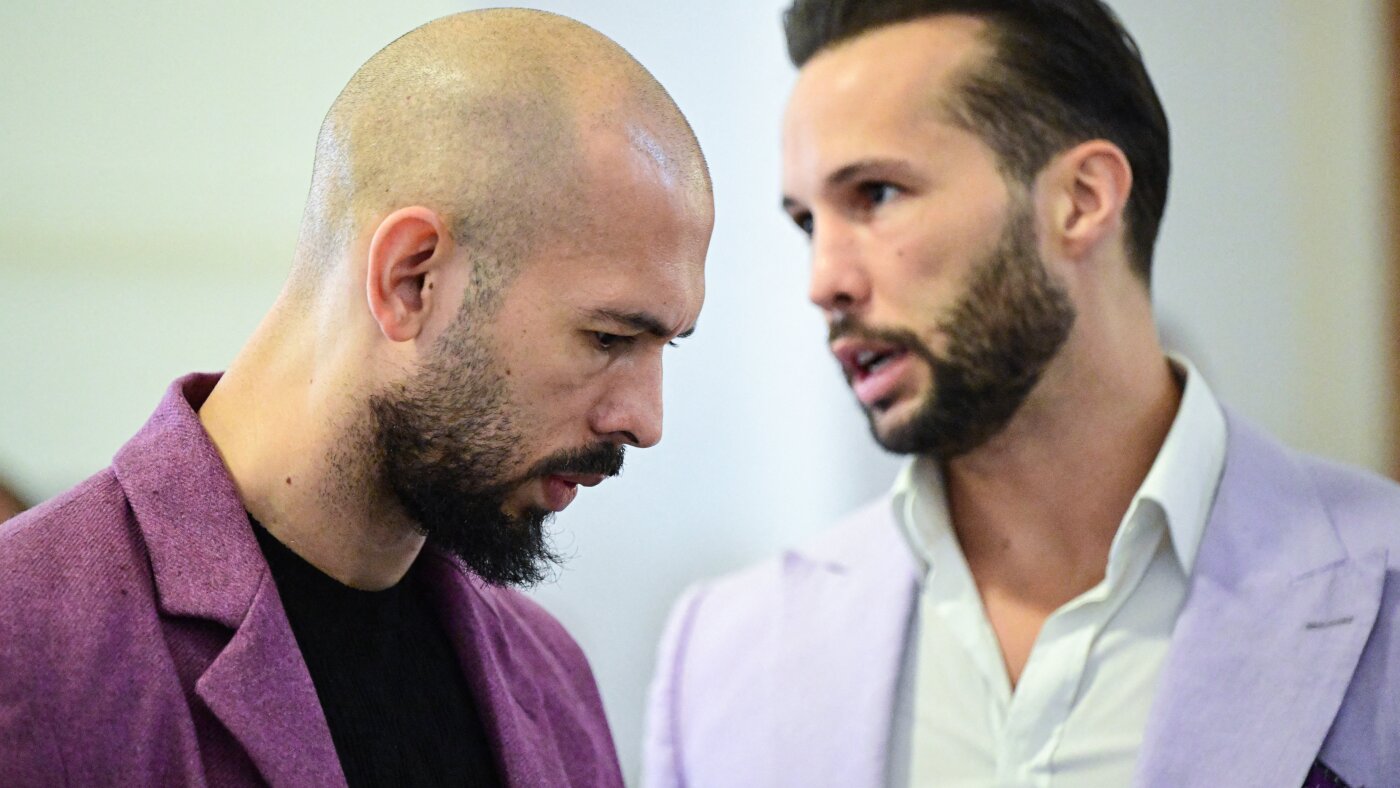
U.S. Magistrate Judge Lauren F. Louis was scheduled to hear a detention release request Thursday morning for Andrew Tate and his brother, Tristan Tate, at the C. Clyde Atkins U.S. Courthouse in Miami. The brothers, who are dual U.S.-U.K. citizens, are seeking bail while they fight extradition to the United Kingdom, where they face 59 criminal charges, including rape and human trafficking for sexual exploitation. The Tates have been held at the Federal Detention Center in Miami since their arrest on July 18.
The extradition request follows years of legal proceedings involving the brothers in multiple countries. The U.K. charges cover a period from 2010 to 2017, during which Andrew Tate transitioned from a webcam business to a social media influencer. The brothers also face human trafficking allegations in Romania, where they lived until February 2025. A Bucharest court previously ruled that the British extradition request should wait until the Romanian case is resolved, but the brothers traveled to Florida after Romanian authorities lifted a travel ban.
During the hearing, prosecutors from the U.S. Attorney’s Office argued that the brothers pose a flight risk and a danger to the community. They cited Andrew Tate's online claims of possessing seven passports and 15 driver's licenses to avoid identification. Defense attorney Joe McBride countered that such statements were "hyperbolic" and part of a persona for followers. The defense argued the brothers are too famous to disappear and offered to surrender passports and submit to GPS monitoring, noting their prior compliance with Romanian pretrial conditions.
For the broader public and followers of the Tates, the case tests the application of the 2003 U.S.-U.K. extradition treaty, which states that nationality cannot be a reason to refuse extradition. The State Department notes that bail in international extradition cases is "extremely rare," as there is no standard presumption in favor of release. An ordinary person would notice the high threshold for bail in these proceedings; typically, only severe medical conditions that cannot be treated in jail justify release. If the court finds the Tates are flight risks due to their reported wealth and global connections, they will remain in custody throughout the appeals process.
The proceedings also carry potential political and legal precedents. While the Tates have claimed the charges are a "political kidnapping" intended to limit their free speech, the Trump administration has signaled it will not intervene. White House press secretary Karoline Leavitt stated on July 23 that the administration would not step in. The case could be further complicated if U.S. federal or state prosecutors in New York or Florida file domestic charges, which would take precedence over the international extradition request. The brothers have the right to appeal any extradition certification all the way to the U.S. Supreme Court, with the final decision on surrender resting with Secretary of State Marco Rubio.
The next major deadline is September 16, the date by which the U.K. must file its formal extradition request with the U.S. State Department. Following this, Judge Louis will hold a hearing to determine if there is probable cause and if the legal criteria for the treaty are met. If the judge certifies the extradition, the Tates can then file for a writ of habeas corpus to seek judicial review and a stay of the order.