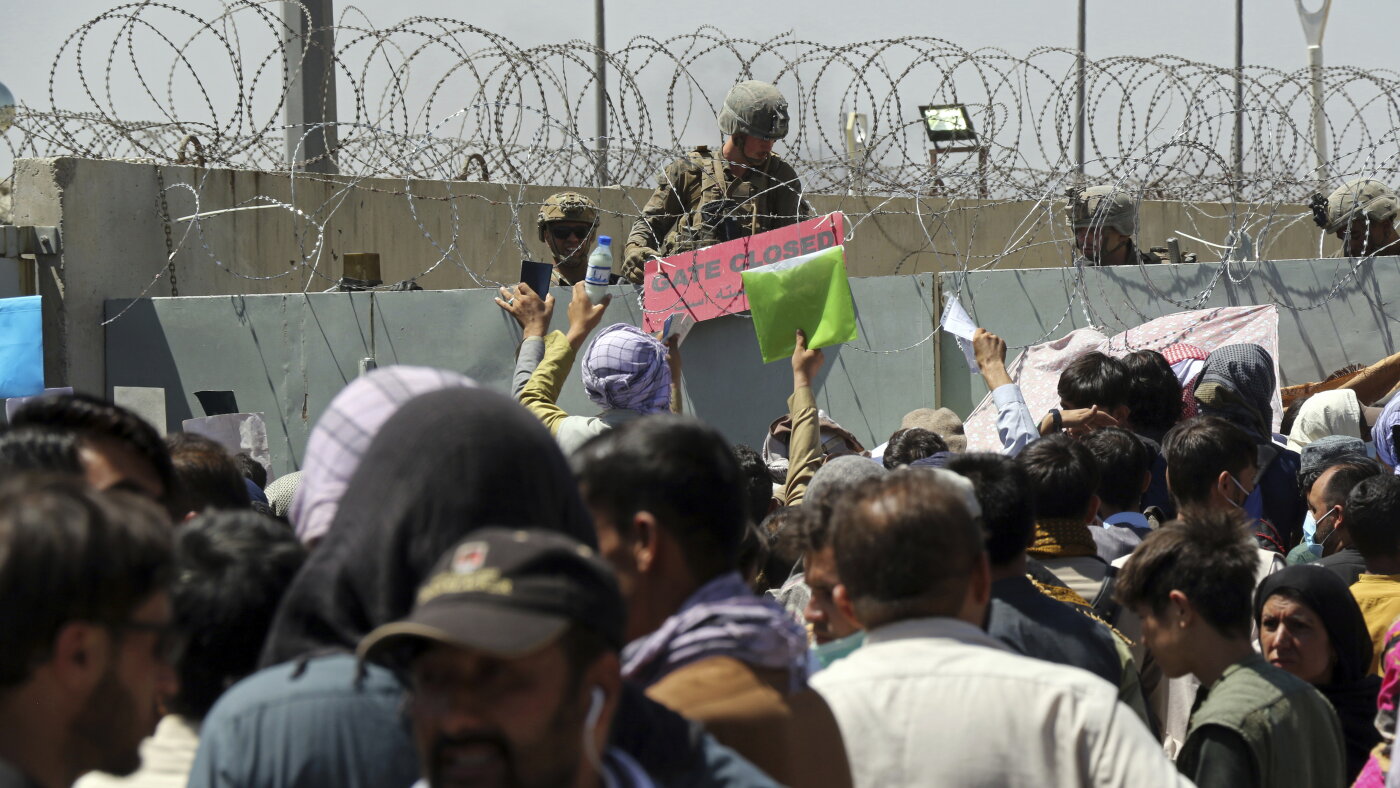
The 25th anniversary of the September 11, 2001, terrorist attacks was observed across the United States on Friday, September 11, 2026. The milestone prompted reflections on the two-decade war in Afghanistan that followed the attacks, a conflict that resulted in the deaths of at least 169,000 Afghans and more than 6,200 U.S. service members and contractors. The U.S. spent an estimated $2 trillion during the 20-year engagement, which ended with the Taliban's return to power in 2021.
Following the 2001 attacks, the U.S. invaded Afghanistan to oust the Taliban for providing safe haven to Osama bin Laden and al-Qaida. Two days before the September 11 attacks, al-Qaida assassins disguised as journalists killed Ahmad Shah Massoud, the leader of the Afghan opposition known as the "Lion of Panjshir." The subsequent U.S. occupation lasted until August 2021, when the Taliban regained control of Kabul as U.S. forces withdrew and the U.S.-backed government collapsed.
In present-day Kabul, analysts report that the removal of blast walls and barbed wire indicates a shift in the security environment. Abdul Jabbar Akbari, a security analyst, stated that while insurgent attacks continue, the Taliban’s restoration of the Islamic Emirate has reinstated a form of security for some. However, this stability has come with severe social restrictions. Girls and women remain barred from education beyond the sixth grade and are restricted from most career paths, leading to reports of increased depression among Afghan women.
Obaidullah Baheer, a lecturer at the American University of Afghanistan, said the post-9/11 era brought a "collective blaming of Afghans" and led to a period where international law was eroded. Emma Sky, director of Yale University’s International Leadership Center and former political advisor to NATO, stated that U.S. efforts to impose democracy were "far too ambitious." She noted that the U.S. response, including the invasion of Iraq and the use of extraordinary rendition, undermined the rules-based international order.
The economic and human scale of the conflict remains a primary factor in regional stability. With 6 million Afghans internally displaced and trillions of dollars spent on a war that concluded with the original opposing force back in power, the precedent for future international interventions has been altered. The conflict also set a precedent for the "forever wars" doctrine, which has influenced subsequent U.S. foreign policy.
What happens next depends on the Taliban’s internal policy decisions and the international community's willingness to recognize their government. While some younger Afghan intellectuals view the Taliban's endurance as a form of historical legitimacy, human rights organizations continue to document the suppression of women’s needs. No specific dates for the restoration of secondary education for girls have been announced, and the country remains under the control of the Islamic Emirate as it reaches this 25-year milestone.