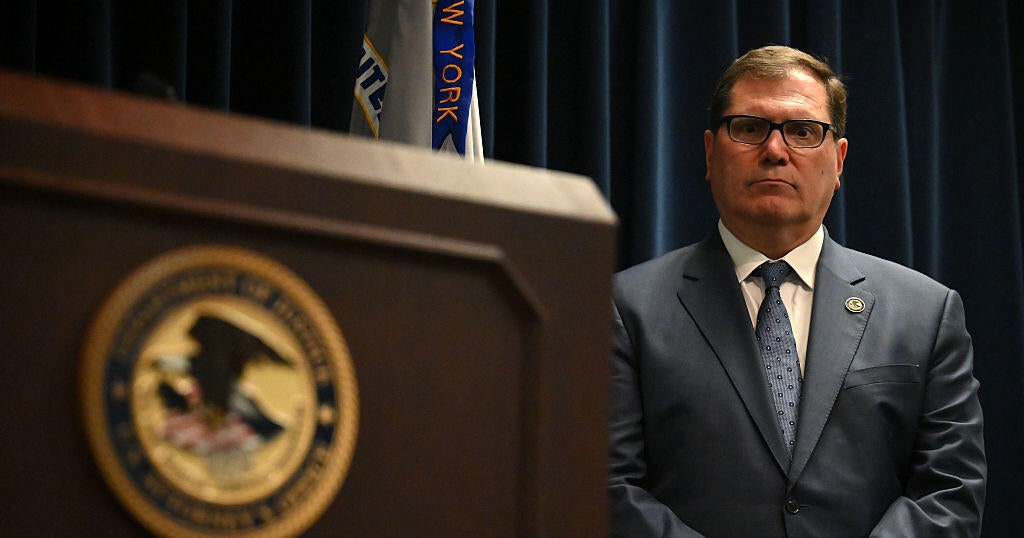
A federal appeals court ruled Friday that John Sarcone, the top federal prosecutor for the Northern District of New York, was serving unlawfully when he issued subpoenas to New York Attorney General Letitia James. The 2-1 decision from the U.S. Court of Appeals for the 2nd Circuit found that Sarcone’s appointment did not comply with the Federal Vacancies Reform Act (FVRA). A Justice Department spokesperson stated the administration intends to appeal the ruling to the U.S. Supreme Court.
The case originated from two investigations into James’s office regarding its handling of probes into the National Rifle Association and Donald Trump. In August 2025, Sarcone issued subpoenas to James, who subsequently sued to quash them, arguing Sarcone lacked the legal authority to act. Under federal law, the attorney general can appoint an interim U.S. attorney for 120 days. Following that period, district judges can extend the tenure or name a replacement, or the FVRA allows a deputy to serve as an acting officer for 210 days.
Sarcone, an attorney for President Trump's campaign, was initially appointed as interim U.S. attorney last year. When his 120-day term ended, district judges declined to retain him. Then-Attorney General Pam Bondi subsequently named Sarcone as a "special attorney" and "first assistant U.S. attorney" to qualify him for an additional 210-day term under the FVRA. However, the majority opinion, written by Judge Guido Calabresi, determined the FVRA only allows the elevation of a first assistant who was already in place when the vacancy first arose.
For the public and legal system, the ruling creates significant uncertainty regarding the validity of federal legal actions taken over the past year. In Virginia, a judge has already cited similar appointment issues to dismiss indictments against former FBI Director James Comey and Letitia James. Individuals facing prosecution or who have been subpoenaed by these specific offices—affecting residents and businesses across four states—may now have grounds to challenge those actions in court. The scale of the impact involves millions of dollars in litigation costs and the integrity of hundreds of active federal cases handled by these appointees.
The knock-on effects include a direct challenge to how the executive branch fills vacancies without Senate confirmation. The 2nd Circuit noted that the government’s interpretation would allow the president to bypass the Senate by installing any individual into a deputy role after a vacancy occurs. While Sarcone, Sigal Chattah in Nevada, and Bill Essayli in Los Angeles have remained in their roles during these legal challenges, this ruling sets a precedent that may force their immediate removal or the dismissal of cases they supervised. The Justice Department’s planned appeal means the U.S. Supreme Court will likely issue a final determination on the limits of the Federal Vacancies Reform Act.
In January, a U.S. district judge had already found Sarcone was not lawfully serving, a decision the appeals court has now upheld. While a panel of judges in New York attempted to appoint a new prosecutor in February, the Justice Department fired that appointee within hours, maintaining Sarcone's leadership during the appeal process. The Supreme Court appeal will be the next step in resolving the leadership status of the Albany-based office.