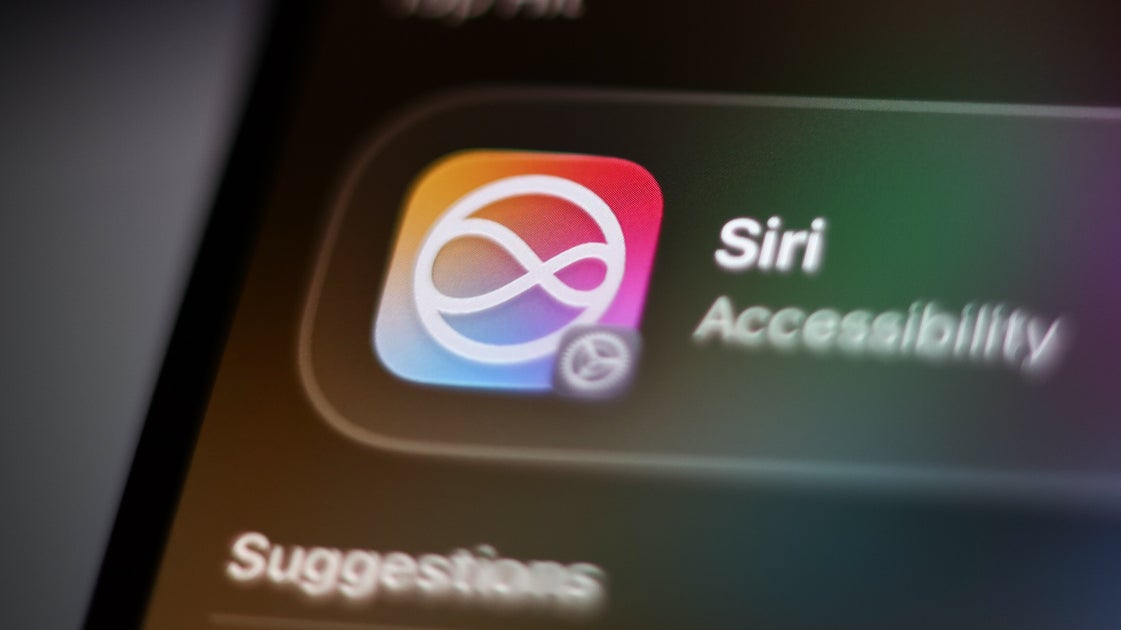
Apple released its latest software update, iOS 27, during the week of September 14, 2026. The update introduces an opt-in prompt asking users if they wish to share audio and text interactions from Siri, Dictation, and Translate to help the company improve its foundation models and Siri.
The new software features expanded capabilities for Siri, which can now search a user's messages, photos, and emails to provide answers. Additionally, a "Siri Recap" tool generates summaries of conversations for later review. These features generate significant amounts of data, leading Apple to request user permission to collect and analyze the information for product development.
According to Apple's public documentation, data collected through this program is not linked to a user's Apple Account or email address. Instead, it is associated with a random, device-generated identifier that rotates multiple times per hour. Apple stated that only employees bound by strict confidentiality may access the audio interactions and that request-related data may be retained for up to two years. Users who initially opt in can disable the feature later through the "Analytics & Improvements" section of the Privacy & Security menu in their device settings.
Privacy and cybersecurity experts have expressed reservations regarding the data retention period and the lack of direct consumer benefit. Martin Shelton of the Freedom of the Press Foundation noted that while he is generally in favor of Apple's security and privacy measures, he questioned the necessity of opting in when data is stored for years. Technology strategist George Kamide characterized the request as an "unfair exchange," arguing that private individuals should not be tasked with improving models for large corporations.
The concrete change for users occurs immediately upon downloading the update, when they are met with a choice to "Share Audio and Text" or select "Not Now." If a user chooses to share, their daily voice commands and text inputs are potentially subject to human review by Apple employees. This creates a shift in how private conversations are handled, as experts like Shelton point out that opting in also involves the data of anyone else speaking near the device during a Siri interaction.
This update sets a precedent for how generative AI models are trained using consumer data. While Apple uses an opt-in method, other tech companies like Meta have faced legal challenges for allegedly using social media content to train AI without similar explicit consent. For Apple users, the immediate next step is the choice presented during the software installation. Those who have already opted in but wish to change their status can do so at any time by navigating to the Privacy & Security menu in their device settings. Apple declined to provide further comment on these privacy concerns beyond its existing public statements.