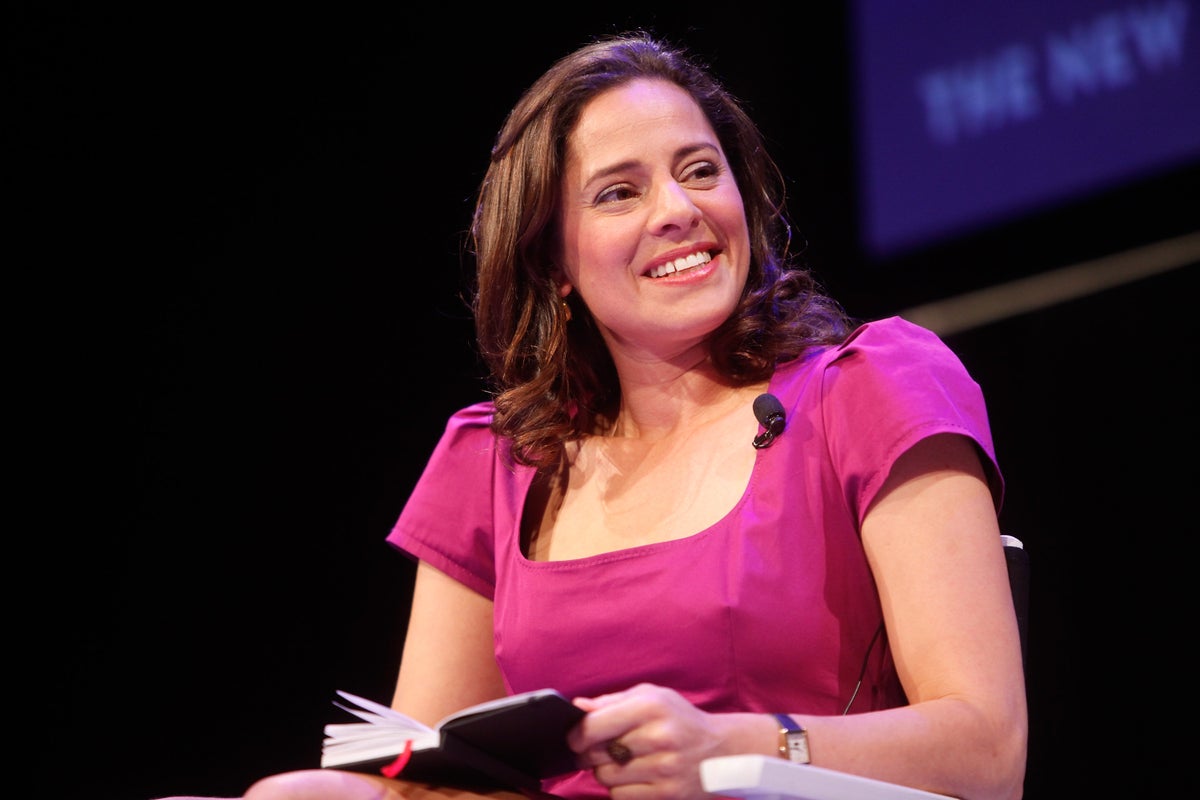
CBS News announced Monday that Ariel Levy, a staff writer for The New Yorker, will join "60 Minutes" as a contributor. The appointment is part of a series of personnel changes at the long-running news program led by CBS News Editor-in-Chief Bari Weiss and Executive Producer Nick Bilton. Levy has reported on culture, gender, and health for nearly 30 years and has been with The New Yorker since 2008.
The news program is currently rebuilding its roster following the departures of several long-time staff members. In late May, Weiss removed Executive Producer Tanya Simon, executive editor Draggan Mihailovich, and correspondents Sharyn Alfonsi and Cecilia Vega. Anchor Scott Pelley and correspondent Anderson Cooper also left the program earlier this year. Bilton stated that the new hires, which include Levy and several others appointed in July, bring diverse journalism backgrounds and a shared commitment to holding power to account.
Levy joins a group of new contributors including New York Times columnist Ross Douthat, author Sebastian Junger, and filmmaker Gianna Toboni. They will work alongside returning correspondents Lesley Stahl, Jon Wertheim, Bill Whitaker, and Norah O’Donnell. According to a memo from Bilton, the show is seeking to explore sensitive topics that drive consequential debates. The program's 59th season is scheduled to premiere on Sept. 13.
The scale of the transition is reflected in the program's financial and legal context. "60 Minutes" generated between $67 million and $69 million in annual advertising revenue in 2024 and 2025, supported by major pharmaceutical companies. The changes follow a $16 million settlement between Paramount and the Trump administration regarding a pre-election interview with Kamala Harris. This legal action led to the resignations of senior executives Bill Owens and Wendy McMahon, creating a period of internal transition as the network was sold to Skydance.
The concrete day-to-day impact for the remaining staff is a compressed summer production schedule. With fewer personnel available during the transition, the team has had less time to develop segments for the upcoming season. For the audience, this may result in a different tone or selection of topics compared to previous years. The new season begins Sept. 13, which serves as the primary deadline for the new team to debut its revised approach to news reporting. The outcome of these changes will likely set a precedent for how legacy news programs adapt to changing political and digital media environments.