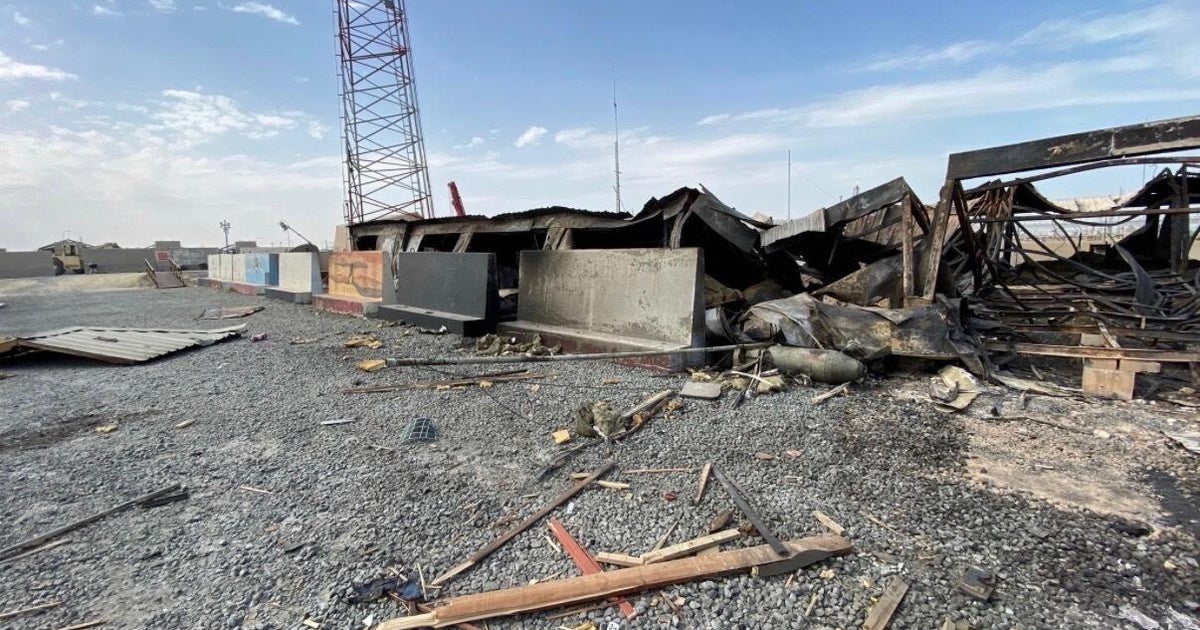
Sources told CBS News that a commanding general rejected relocation plans for U.S. troops in Kuwait shortly before a drone strike killed six service members on March 1, 2026. The 103rd Sustainment Command, an Army Reserve unit, was moved to the Port of Shuaiba, located 65 miles from Iran, despite intelligence briefings in January identifying the site as a potential target. Alternative options to move personnel to bases in western Saudi Arabia, farther from Iranian missile range, were reportedly scouted but not utilized.
Brig. Gen. Clint Barnes, the unit's commander, opted to move the unit to the port following a precedent set by a previous unit during an Iran-Israel conflict in July 2025. Military sources characterized the Shuaiba location as an "easy button" compared to establishing operations at Logistical Support Area Jenkins or Prince Sultan Air Force Base. While the Pentagon declined to comment on the specific decision, officials previously stated that the facility was fortified with six-foot walls and that all possible measures were taken to protect the troops.
The March 1 attack resulted in six deaths and more than 20 injuries. Survivors and family members of the deceased have alleged that the post lacked adequate medical personnel, supplies, and defensive fortifications. According to witness accounts, soldiers were forced to use makeshift bandages and civilian vehicles to transport the wounded to local hospitals. An internal Army probe into the circumstances of the attack was completed in early July, but the results have not yet been released to the public or the victims' families.
The reported scale of the incident involves dozens of troops who were present during the bombardment. The specific impact on these individuals includes physical injuries, long-term healthcare needs, and the loss of life. Families of the fallen, such as the parents of Maj. Cody Khork, have stated that their relatives warned leadership about the site's vulnerability before the strike occurred. A lack of immediate medical resources, such as a fixed aid station or sufficient ambulances at the site, meant that wounded soldiers had to manage their own triage and seek care at Kuwaiti civilian hospitals.
Congress is now involved, with more than 20 Democrats urging the House and Senate Armed Services Committees to hold public hearings. The requested hearings aim to determine why the Department of Defense was not prepared for the strike and to address concerns regarding the medical care provided to survivors. While a Senate resolution to limit presidential war powers in Iran failed in a 49-50 vote on Thursday, the ongoing scrutiny of the March 1 strike could shape future legislative debates regarding military oversight and the authorization of force. The Army has asked for patience as it reviews the findings of its completed probe, but has not set a date for its release.