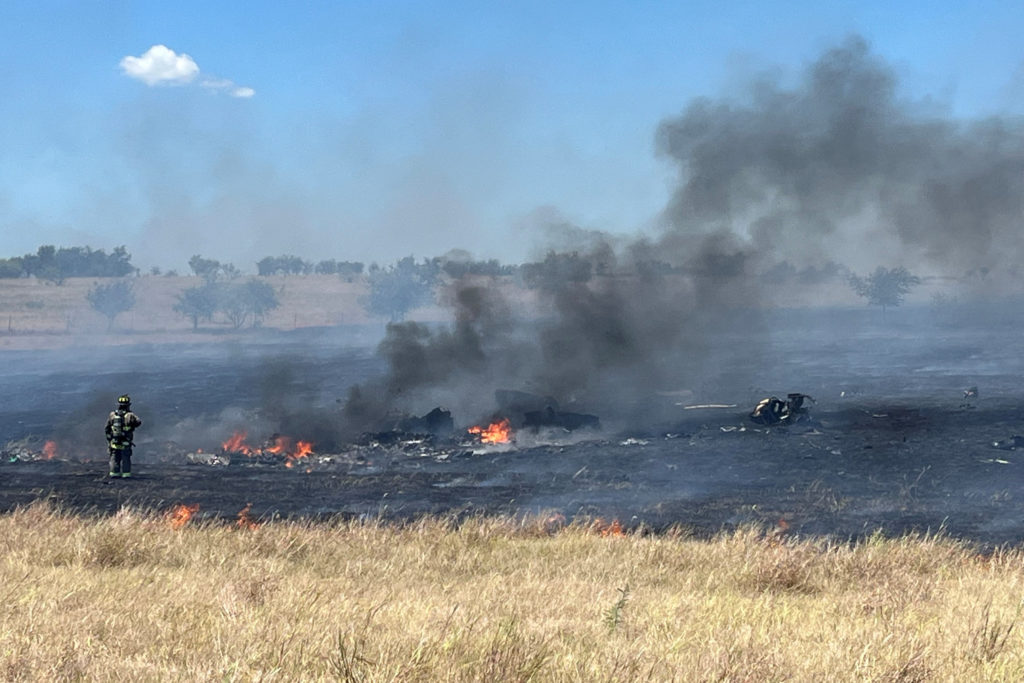
The U.S. Army suspended all Apache helicopter training missions on Friday following a crash in Texas that resulted in the deaths of two soldiers. The service stated that the stand-down will remain in effect until investigators identify the root cause of the accident, which occurred earlier in the week near Salado, Texas.
A safety investigation team from the Army Combat Readiness Center in Fort Rucker, Alabama, has been dispatched to determine why the aircraft crashed. The Army noted that while training is halted, combat missions involving Apache helicopters currently active in the war in Iran have not been stopped. These units are being utilized near the Strait of Hormuz to keep navigation channels open.
The soldiers killed in the Wednesday crash were identified as Chief Warrant Officer 2 Deontre T. Huey, 34, and Warrant Officer Seth L. Olmstead, 25. Both were members of the 1st Cavalry Division based at Fort Hood. The helicopter went down in a grassy field approximately 30 miles from the base, and the Army confirmed Huey and Olmstead were the only personnel on board.
The grounding reflects ongoing scrutiny of Army aviation safety protocols. The National Transportation Safety Board (NTSB) previously criticized the Army’s safety culture after a January 2025 collision between a Black Hawk and a commercial jet near Washington, D.C., killed 67 people. By halting flights now, the Army aims to address potential mechanical or procedural risks before they can affect other crews. A similar grounding occurred three years ago when the Army halted aviation units following the deaths of 12 soldiers in Alaska and Kentucky.
Aviation safety experts, such as John Cox of Safety Operating Systems, stated that the proactive move signals the Army is prioritizing safety while seeking "hard answers." The specific date for resuming training missions has not been announced, as it depends on the findings of the Fort Rucker investigation team. Meanwhile, the Army continues to operate the aircraft in active conflict zones, including responses to Iranian drones, despite the domestic training halt.