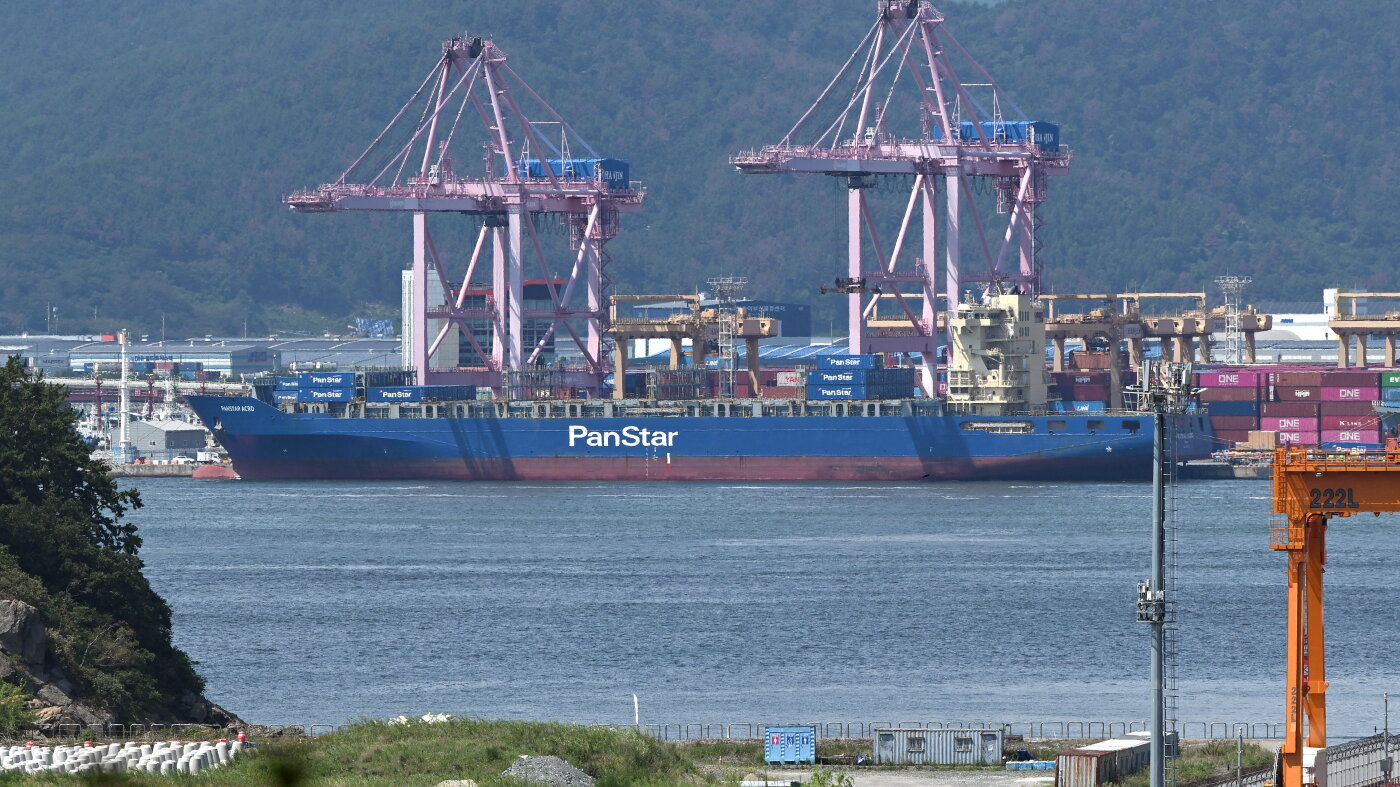
Shipping companies in Asia are increasing their use of Arctic maritime routes as conflict in the Middle East disrupts traditional global trade corridors. On September 11, 2026, the Panstar Acro became the first South Korean container ship to reach Felixstowe, England, via the Arctic. The 45-day round-trip voyage from Busan included stops in Rotterdam, Netherlands, and Gdansk, Poland, utilizing the Northern Sea Route (NSR) along Russia’s coastline during the late summer when sea ice is at its minimum.
The voyage occurred as Houthi rebels seized control of the Bab el-Mandeb Strait, a critical chokepoint at the southern entrance to the Red Sea. Additionally, the ongoing U.S. war on Iran has provided further impetus for nations like South Korea and China to seek alternatives to the Strait of Hormuz and the Red Sea. While Asian nations began pilot voyages more than a decade ago, current geopolitical instability has accelerated efforts to find faster routes that are less vulnerable to regional blockades.
Despite the successful transit, Arctic shipping faces significant logistical and political hurdles. Walt Meier, a senior research scientist at the National Snow and Ice Data Center, noted that while September sea ice is declining by 10% to 15% per decade due to global warming, the window for navigation remains short. Furthermore, Russia claims the NSR as domestic waters, requiring permits and the potential use of state-owned nuclear icebreakers. These vessels are currently under Western sanctions due to the war in Ukraine, complicating the route for U.S. allies.
The scale of this shift involves major global economies including India, which plans its first NSR cargo voyage next year, and Japan, which is constructing its first Arctic research icebreaker for exploration as early as next year. For the maritime industry, the transition represents a move away from the "exceptional zone" of post-Cold War Arctic cooperation toward a region defined by military exercises and competition. NATO and Russia have both increased their military presence in the area, restoring Cold War-era bases and conducting large-scale exercises like Nordic Response 24, which involved 20,000 troops.
What happens next depends on both climate trends and diplomatic relations. Future commercial viability hinges on whether shipping companies can establish regular container services that remain profitable despite high insurance costs. South Korean officials stated they are consulting with the U.S. and EU to ensure Arctic transits adhere to sanctions, while China continues a "no limits" partnership with Russia. India’s planned cargo voyage next year will serve as the next major test for the route's commercial expansion.