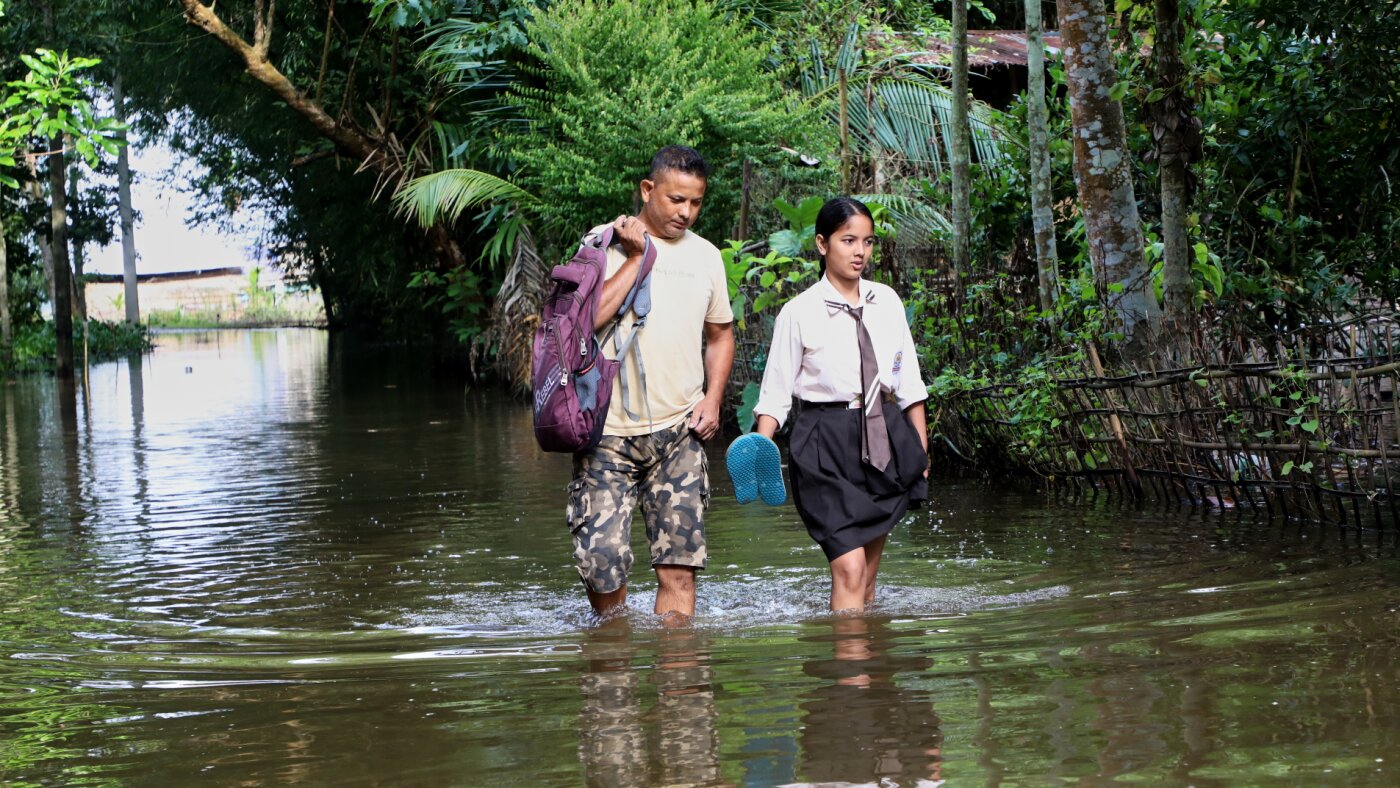
The death toll from seasonal flooding in the Indian state of Assam reached 100 on Monday following two additional deaths overnight. The Assam State Disaster Management Authority reported that several rivers remain above danger levels, maintaining a critical situation for local communities after days of heavy monsoon rainfall.
The flooding began last month when the Brahmaputra River and its tributaries overflowed, submerging vast areas of farmland and damaging roads. The Brahmaputra, which flows approximately 900 kilometers through Assam, inundated numerous villages and swept away homes, forcing nearly 300,000 residents into government-operated relief camps at the height of the crisis.
While floodwaters have begun to recede in some areas, approximately 49,000 residents remain in 125 relief camps and distribution centers. Returning families in districts like Sivasagar have found their homes buried under up to three feet of silt. In the village of Nepali Khuti, a local trader reported that only a few of the original 100 households remain standing after the water receded.
Residents returning to their property face the immediate task of clearing up to a meter of silt from their homes and land, a process complicated by the potential for disease outbreaks following the water's retreat. The loss of infrastructure, including submerged roads and damaged building materials, has slowed the recovery process for the 49,000 people still residing in temporary government facilities. These individuals are currently dependent on state-provided roofing sheets and basic building materials to begin reconstruction.
Assam Agriculture and Irrigation Minister Pijush Hazarika stated that officials have been directed to complete damage assessments to facilitate government financial assistance. While approximately 50,000 people have already received interim monetary compensation, the final timeline for full rehabilitation remains dependent on these assessments. Experts cited in the report noted that human-caused climate change is making these seasonal monsoons more erratic and intense, suggesting that such large-scale displacements may continue to challenge the region's infrastructure and emergency response capabilities in future seasons.