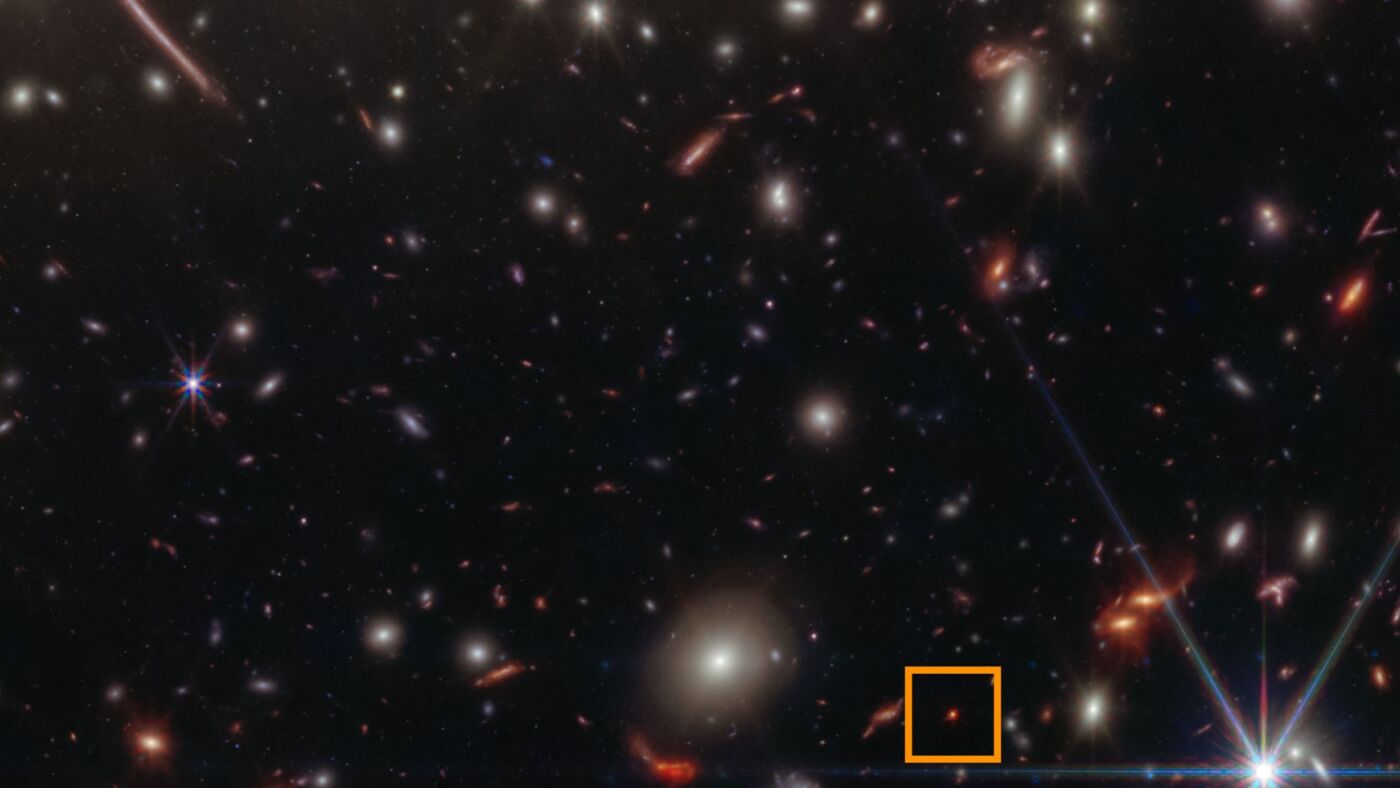
Astronomers have identified a new class of celestial objects, referred to as "black hole stars," which may offer explanations for long-standing mysteries regarding the early universe. These objects correspond to small red dots observed in images of the early universe captured over the last several years. The discovery was discussed in an August 21, 2026, report by NPR's science program, Short Wave.
The identification of these objects follows a period during which astronomers were unable to explain the presence of specific red dots in deep-space photography. Data from the James Webb Space Telescope contributed to the research, with imagery processed by institutions including the University of Texas at Austin and the Space Telescope Science Institute.
Researchers indicated that these "black hole stars" represent a distinct category of celestial bodies that differ from standard stars and black holes. While the report did not detail the specific chemical composition or mechanical physics of the objects, it noted that their existence could resolve multiple scientific questions about the formation and evolution of the universe.
The concrete change for researchers will be a reclassification of existing and future data from the James Webb Space Telescope. This change in identification will likely alter how scientists calculate the mass and light output of early galaxies, potentially changing established timelines for how quickly the universe grew after the Big Bang. While these findings do not immediately impact the daily finances or health of the general population, they change the foundational science taught in schools and universities regarding how the first structures in space were formed.
The discovery sets a precedent for how astronomers interpret "red dots" in high-resolution infrared imagery, which has become more frequent since the James Webb Space Telescope began its mission. The knock-on effects include a likely shift in federal and international research priorities as scientists seek to determine the prevalence of these black hole stars. What happens next depends on further peer-reviewed publications and follow-up observations using deep-space telescopes to confirm the specific properties of these newly classified objects. No specific deadlines for new data releases were reported.