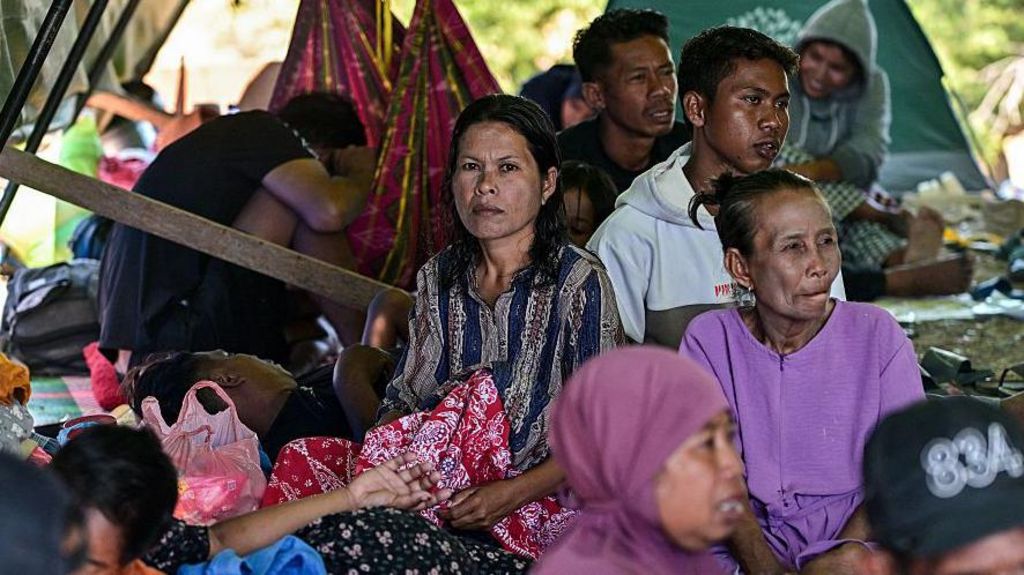
At least 68 people were killed and approximately 5,000 others displaced after a 7.7 magnitude earthquake struck the Indonesian island of Flores early Saturday morning. The tremor, which occurred at a depth of 15 kilometers, destroyed hundreds of homes and dozens of public facilities, leading to significant shortages of medical supplies and food as aftershocks continue to rattle the region.
The earthquake is the deadliest to hit Indonesia since a 2022 event in West Java. Located at the intersection of three major tectonic plates, Indonesia frequently experiences seismic and volcanic activity. Following the Saturday quake, landslides and debris have blocked primary access roads, complicating efforts to deliver humanitarian assistance to remote villages and isolated regencies.
Medical professionals and local residents report that health infrastructure has been severely compromised. At the Dampek Health Centre, Dr. Melinda reported that she was the only physician available to treat hundreds of victims after the facility was destroyed. In Ruteng, hospital officials stated that operating rooms, pharmacies, and laboratories were rendered unusable by a roof collapse. While some medical teams from regional hospitals reached affected areas by Monday, many survivors remain in makeshift outdoor shelters due to the destruction of buildings and the fear of further collapses from hundreds of aftershocks.
The scale of the damage includes more than 1,000 homes and numerous schools and government offices, according to the National Disaster Management Agency. The disruption of electricity and communication lines has further isolated communities, such as Nitung Village on Palue Island, which remained cut off for nearly two days before rescuers could negotiate landslide-prone routes to deliver aid. Residents in these areas report a lack of government guidance, leading many to flee to hillsides where food shortages are becoming acute.
As of Monday, search-and-rescue teams continue to navigate blocked roads to reach isolated communities. The full number of casualties and the total extent of property damage are still being assessed as medical teams work through the debris. Local residents and medical staff have expressed concern that district and regional governments are facing budget constraints and limited supplies, which may slow the recovery process. Future efforts will focus on restoring power, clearing landslides from critical transit routes, and establishing more permanent emergency shelters.