Atlanta Eliminated from 2028 Hosting Bids
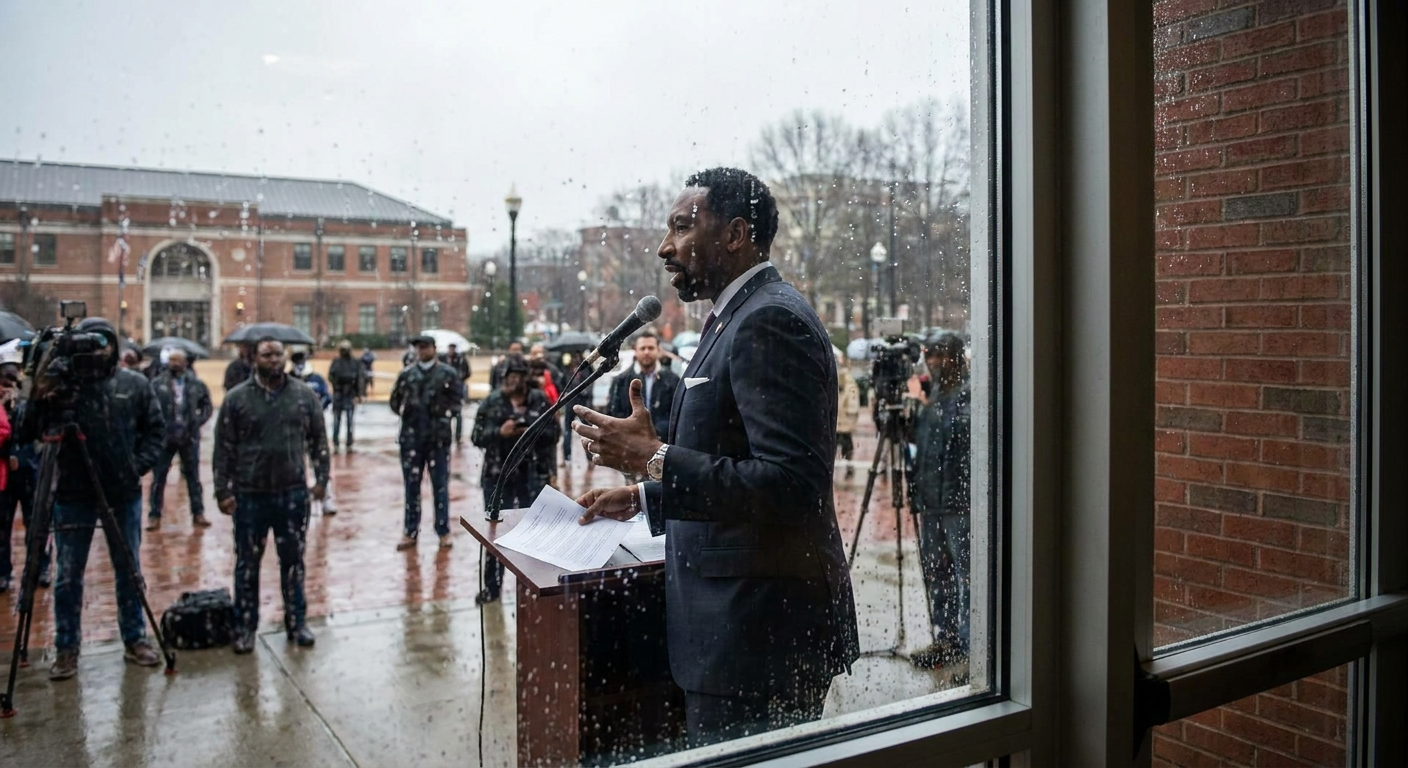
Atlanta Mayor Andre Dickens (D) issued a sharp critique of the Democratic National Committee (DNC) on Thursday after the city was eliminated from consideration to host the 2028 Democratic National Convention. In a letter addressed to DNC Chairman Ken Martin, Dickens accused the party leadership of "abandoning" the South and Black voters.
The DNC announced on August 20, 2026, that it had narrowed its shortlist of potential host cities to Boston, Denver, and Philadelphia. Atlanta and Chicago—the latter of which hosted the 2024 convention—were removed from the selection process following site visits by party officials in April and May.
"For the DNC to not even include Atlanta in the shortlist means that the DNC does not consider Atlanta or Georgia relevant to the past, present, or future of the Democratic Party," Dickens wrote in the letter. "They are afraid to leave their comfort zone and blind to the fact that the South is the answer."
Leadership Under Scrutiny
The mayor’s remarks come during a period of increased scrutiny for Chairman Martin. While Democrats have seen success in recent elections, the party reportedly trails Republicans in fundraising with less than 80 days remaining before the 2026 midterm elections.
In his letter, Dickens specifically challenged Martin’s previous assertions regarding the strategic importance of the region. "It seems that Ken Martin doesn’t even believe himself when he said that the road to the White House runs through the South," Dickens wrote.
In response to general criticisms of his leadership during a recent meeting in Texas, Martin downplayed internal friction, calling for party unity ahead of the midterms and the 2028 presidential cycle. Regarding the host city selection, Martin stated that the three finalists submitted "incredibly strong bids" and would provide an "inspiring celebration" for the party.
Historical Context and Logistics
Atlanta last hosted the Democratic National Convention in 1988. The city was also a finalist for the 2024 convention but lost the bid to Chicago. While Atlanta has become a frequent site for major sporting events and political rallies, it has never hosted a Republican National Convention.
The DNC did not provide specific reasons for Atlanta’s elimination, though officials noted that factors such as logistical capabilities and fundraising capacity are standard considerations. The remaining finalists—Boston, Denver, and Philadelphia—are located in states that have either voted Democratic in recent presidential cycles or, in the case of Pennsylvania, serve as critical battlegrounds.
The 2028 Democratic National Convention is scheduled for August 7–10, 2028. A final host city is expected to be announced by the end of this year. Meanwhile, the Republican National Committee has already selected Houston as the site for its 2028 convention.
Why it matters
The public friction between the mayor of a major Southern hub and national party leadership highlights a strategic debate within the Democratic Party regarding geographic investment. For voters and residents in Georgia, the DNC’s decision represents a loss of significant economic activity; national political conventions typically bring tens of thousands of visitors and hundreds of millions of dollars in local spending to host cities.
The exclusion of Atlanta is particularly notable to organizers who argue that Georgia’s shift to a "purple" battleground state in 2020 justifies more direct investment from the national committee. By labeling the decision an abandonment of Black voters—a demographic that forms the core of the Democratic electorate in the South—Dickens is signaling a rift over whether the party is doing enough to engage its base in Republican-leaning regions.
For the national party, the decision to focus on Boston, Denver, and Philadelphia suggests a preference for regions with established labor union infrastructure and proven fundraising networks. The outcome of this dispute may influence how the DNC allocates resources during the 2026 midterms and the 2028 presidential campaign. If the party fails to secure victories in the South in upcoming cycles, critics of the current leadership are likely to point back to the 2028 host selection as a missed opportunity for regional outreach. The final choice of a host city will serve as a definitive indicator of where the Democratic Party believes its path to victory lies following the conclusion of the current administration.