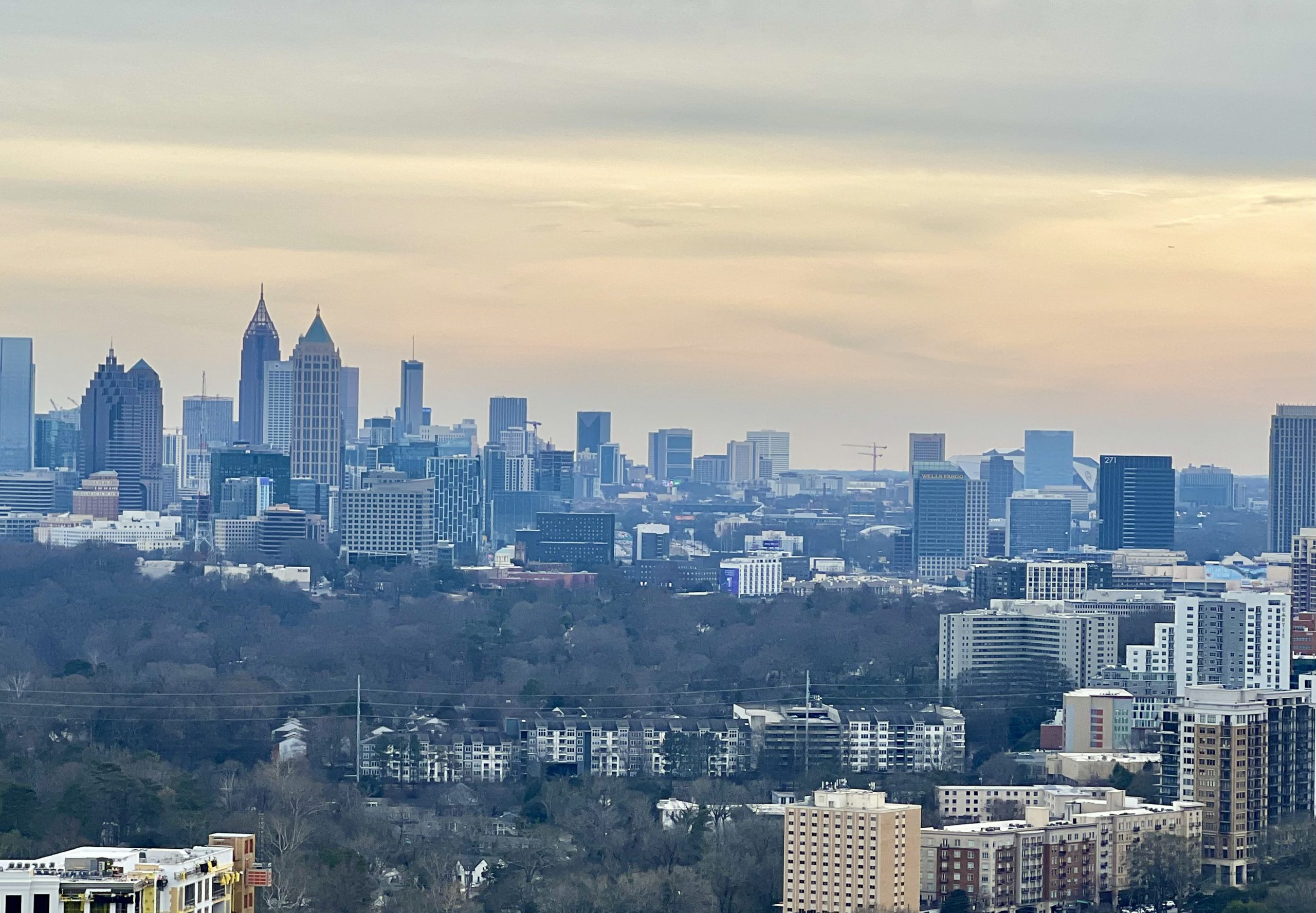
A 2023 assessment by Georgia Tech reveals that Atlanta's tree canopy has declined to 45.5%, falling short of the city’s 50% target. The study, conducted by the Center for Urban Resilience and Analytics, found that the city experienced a net loss of 780 acres of canopy between 2018 and 2023. This represents a rate of loss of approximately 0.43 acres per day as removal outpaces new growth.
The findings follow a 2018 study that recorded the canopy at 46.5%. In January 2023, the Atlanta City Council established a formal goal to reach 50% coverage. While the current study was completed in 2024, the data was not publicly released until recently. Councilman Matt Westmoreland (Post 2 At-Large) reported receiving the findings in December but noted delays in presenting them to the relevant city committees.
The city revised its Tree Protection Ordinance in June 2025, which has led to disagreement among stakeholders. Chet Tisdale of the city’s Tree Conservation Commission argued the new rules allow for more clear-cutting, and the Council for Quality Growth noted the removal of preservation requirements for certain land uses. Meanwhile, Greg Levine of Trees Atlanta stated the city is moving further away from its targets, noting that Charlotte, North Carolina, currently maintains a higher canopy coverage of 47%.
The financial impact is felt by small-business owners and developers through "recompense rates," which are fees paid to the city when trees are removed for construction. While the June 2025 ordinance update reduced some of these rates, the city is simultaneously using millions of dollars from the Tree Trust Fund to purchase and preserve forested land, such as the Lake Charlotte Nature Preserve. Additionally, the Department of Parks and Recreation is working toward a goal of acquiring 2,750 acres of parkland by 2032 to mitigate these losses. This creates a complex regulatory environment where developers face varying costs while the city attempts to balance the need for new housing with environmental preservation.
The situation establishes a precedent for how the city will handle future growth under its "ATL Zoning 2.0" initiative, which seeks to integrate tree regulations into a broader zoning code update. Residents can expect to see how this balance is struck in future construction projects and neighborhood planning. A public hearing is scheduled for August 11, 2026, where the report’s author and the city’s Chief Arborist are expected to testify. This meeting may lead to further legislative changes or a third phase of updates to the Tree Protection Ordinance.