The Plain Record

Neutral daily news — clear headlines, complete facts.

National

Attack on Riyadh Airport Kills 12 and Injures Over 300, Saudi Officials Say

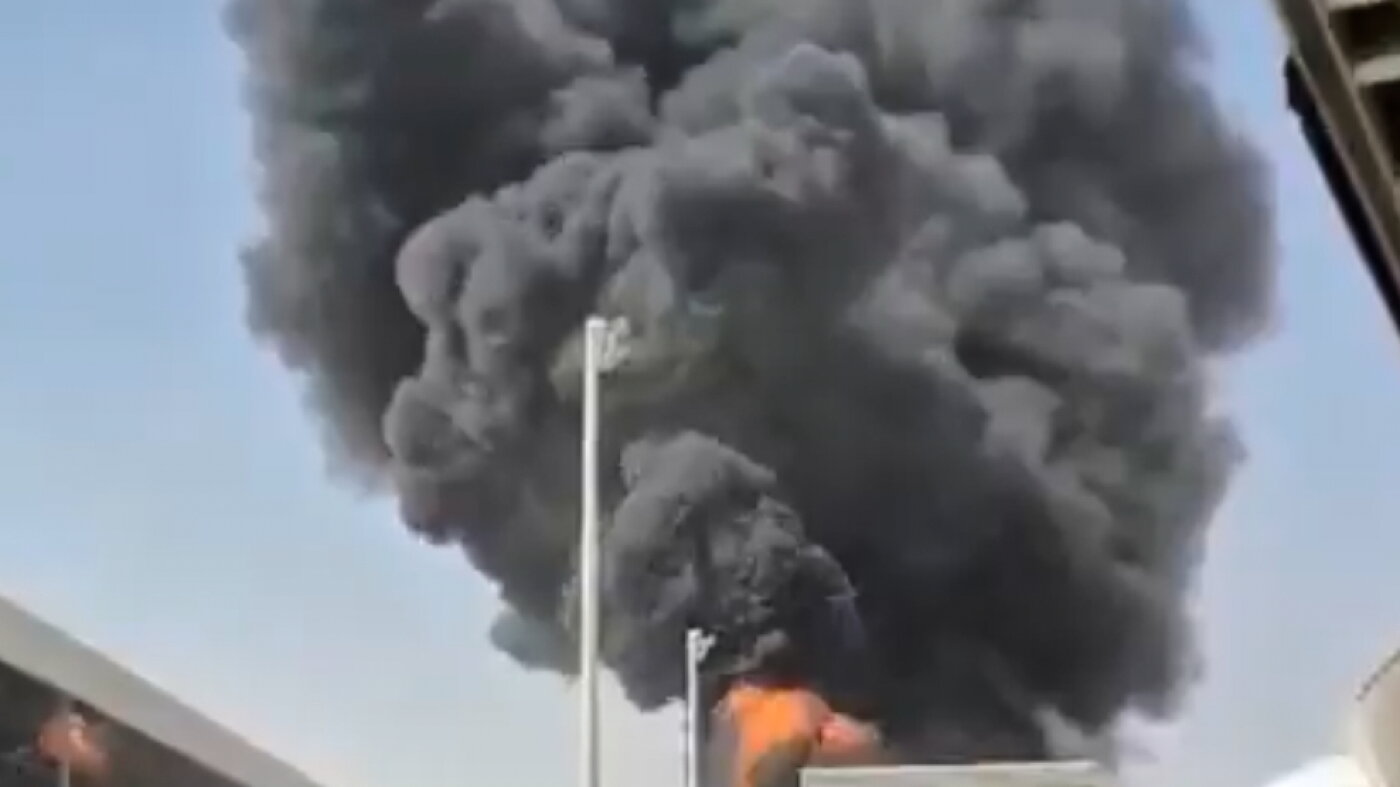
A strike on King Khalid International Airport in Riyadh killed 12 people and wounded 309 on Saturday amid a surge in fighting between a Saudi-led coalition and Houthi rebels.

By The Plain RecordUpdated October 11, 2026 at 3:42 AM EDT
Published October 9, 2026 at 8:00 PM EDT

The short answer

A strike on King Khalid International Airport in Riyadh killed 12 people and wounded 309 on Saturday amid a surge in fighting between a Saudi-led coalition and Houthi rebels.

Updates (4)

  • Update — October 11, 2026 at 3:42 AM EDT: Saturday's attack was the deadliest in Saudi Arabia since May 2015. US and Saudi officials are blaming Yemen's Houthis, who have yet to comment on the strike.
  • Update — October 11, 2026 at 2:12 AM EDT: Saudi Arabia says an attack on the Riyadh airport has killed 12 people and wounded over 300 others. Authorities say the dead on Saturday included four Saudi citizens, two Bangladeshis, a Palestinian, a U.S. citizen, an Egyptian, a Jordanian, a Syrian and a Sudanese.
  • Update — October 11, 2026 at 2:05 AM EDT: It was the third strike on the capital’s airport this week
  • Update — October 11, 2026 at 2:05 AM EDT: At least 12 people, including one American, were killed and 309 others injured in a strike Saturday​ on Riyadh's King Khalid International Airport.
Attack on Riyadh Airport Kills 12 and Injures Over 300, Saudi Officials Say

The Facts

Who
Saudi General Authority of Civil Aviation, Houthi rebels, and President Donald Trump
What
A missile strike on Riyadh's international airport that caused 321 total casualties and suspended air travel.
When
Saturday, October 10, 2026
Where
King Khalid International Airport, Riyadh, Saudi Arabia
Why
The attack marks a significant escalation in the regional conflict, threatening international aviation safety and potentially drawing the U.S. into direct military action.

Saudi civil aviation authorities reported that an attack on King Khalid International Airport in Riyadh on Saturday, Oct. 10, killed 12 people and injured 309. The dead included one U.S. citizen, four Saudi citizens, two Bangladeshi nationals, and individuals from Egypt, Jordan, Syria, Palestine, and Sudan. A regional official stated that a missile struck a complex housing terminals 3 and 4, which are used for domestic flights. Operations at the airport, which serves a city of about 8 million people, were suspended through midnight as flights were diverted.

The strike occurred amid an escalation in fighting between a Saudi-led coalition and Houthi rebels in Yemen. A 2022 agreement that had frozen the conflict unraveled over the summer after Houthi forces seized the Bab el-Mandeb shipping corridor. On Monday, Oct. 5, Saudi-backed government forces launched a military offensive. In response, the Houthis declared Saudi airspace a military operations zone and warned commercial airlines against operating in the kingdom. This Saturday incident follows two other attacks on the same airport earlier in the week that killed four people.

Following the attack, President Donald Trump stated he was evaluating whether the U.S. should join Saudi strikes against the Houthis, noting that a decision would be made quickly. U.S. Secretary of State Marco Rubio and a State Department spokesperson condemned the strikes. While the Houthis did not immediately issue a formal claim of responsibility for Saturday's event, the head of the Houthi media office posted on social media that the movement had "shut down Riyadh international airport." Earlier on Saturday, the Houthis accused Saudi Arabia of striking the airport in the Yemeni capital of Sanaa.

For the Saudi government and its allies, the strike highlights gaps in air defense capabilities. Regional officials reported last month that Saudi Arabia was running low on missile interceptors and had requested air defense support from France, Britain, Pakistan, and Egypt. Despite the violence, the Saudi energy ministry continued to promote an international energy conference scheduled to begin in Riyadh on Sunday, Oct. 11, though previous attacks this week had already damaged commercial aircraft on the ground.

The attack may lead to a shift in U.S. military involvement. While the U.S. has previously provided intelligence sharing and planning, Trump’s comments indicate possible active participation in airstrikes. The Houthi rebels have signaled they will continue to target shipping and aviation infrastructure as part of a blockade, citing retaliation for Saudi-led operations. Observers are monitoring the Saudi-led coalition for a promised military retaliation and looking for whether diplomatic efforts, such as a phone call between the Saudi and Omani foreign ministers on Saturday, can lead to de-escalation.

Timeline of what happened

Key dates and decisions, in the order they occurred.

  1. 2022

    Saudi Arabia signs agreement with Houthis to freeze conflict

  2. October 5, 2026

    Saudi-led coalition launches offensive against Houthi forces

  3. October 8, 2026

    Reported Houthi attack on Riyadh airport damages three planes

  4. October 10, 2026

    Missile strike hits Riyadh airport terminals; 12 killed

  5. October 11, 2026

    International energy conference scheduled to begin in Riyadh

Summaries are written by The Plain Record to state the facts of a story plainly and without political slant. Drafted with AI assistance and checked against the source record before publication. See how we report, or report a correction.

← Back to the front page

Questions readers ask

What happened: Attack on Riyadh Airport Kills 12 and Injures Over 300, Saudi Officials Say?

A missile strike on Riyadh's international airport that caused 321 total casualties and suspended air travel.

Who is involved?

Saudi General Authority of Civil Aviation, Houthi rebels, and President Donald Trump

When did this happen?

Saturday, October 10, 2026

Where did this happen?

King Khalid International Airport, Riyadh, Saudi Arabia

Why does this matter?

The attack marks a significant escalation in the regional conflict, threatening international aviation safety and potentially drawing the U.S. into direct military action.