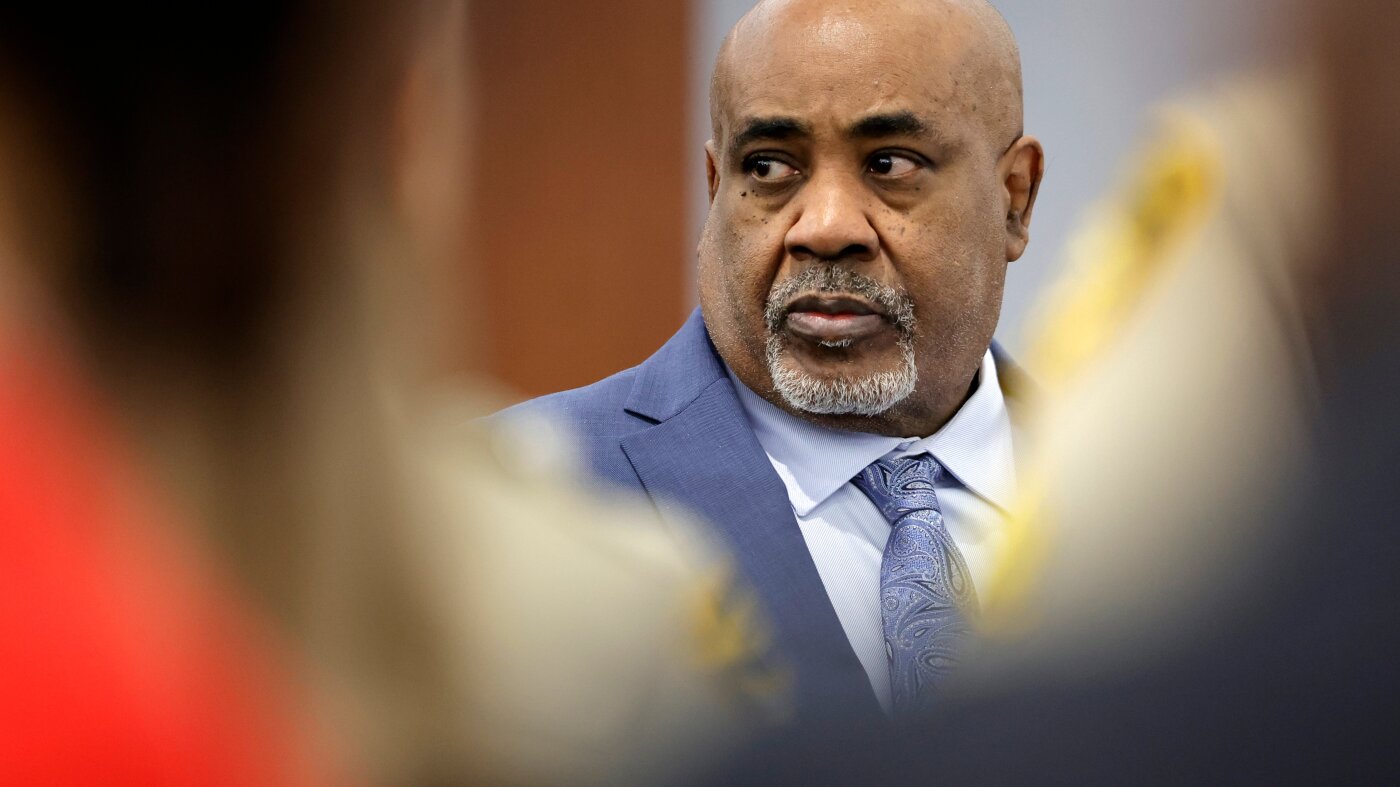
Attorneys delivered opening statements Monday in the Las Vegas murder trial of Duane "Keffe D" Davis, who is charged in connection with the 1996 killing of rapper Tupac Shakur. Chief Deputy District Attorney Binu Palal told jurors that while Davis did not pull the trigger, he allegedly planned the shooting as an act of revenge. Davis, 63, has pleaded not guilty to murder with a deadly weapon with the intent to promote, further, or assist a criminal gang.
The case centers on the events of September 7, 1996, when Shakur was shot while riding in a vehicle with Marion "Suge" Knight. Earlier that night, Shakur’s entourage had been filmed attacking Davis' nephew, Orlando "Baby Lane" Anderson, at the MGM Grand. Prosecutors allege Davis spent the following two hours coordinating a retaliatory strike, eventually providing a firearm to individuals in a white Cadillac who fired upon Shakur.
Defense attorney Michael Sanft characterized the prosecution's case as "fiction," arguing that Davis’ past admissions to law enforcement and in his 2019 memoir, "Compton Street Legend," were untrustworthy. Sanft told the jury that Davis was "full of crap" and that investigators previously declined to charge him because they did not find his accounts credible. The defense also cited missing documents and "sloppy" police work from the original 30-year-old investigation as grounds for acquittal.
The scale of the trial involves a projected month-long proceeding featuring testimony from 35 to 45 witnesses. Because the events took place 30 years ago, the jury must weigh the reliability of decades-old memories against recorded statements Davis made to federal and local authorities in 1998, 1999, 2008, and 2009. The prosecution is relying heavily on these self-incriminating statements, while the defense argues that the passage of time and the lack of living eyewitnesses—as the other three men in the Cadillac have died—undermine the state's evidence.
What happens next: The trial is expected to continue through mid-September 2026. Following the opening testimony from retired police officers and witnesses who were present on the Las Vegas Strip during the shooting, the prosecution will continue to present evidence from Davis’ own interviews and published writings. If convicted, the sentencing phase will determine whether Davis serves a life term. The court must also navigate the challenge of identifying witnesses who expressed fear of retribution, a factor cited by at least one witness during Monday’s testimony.