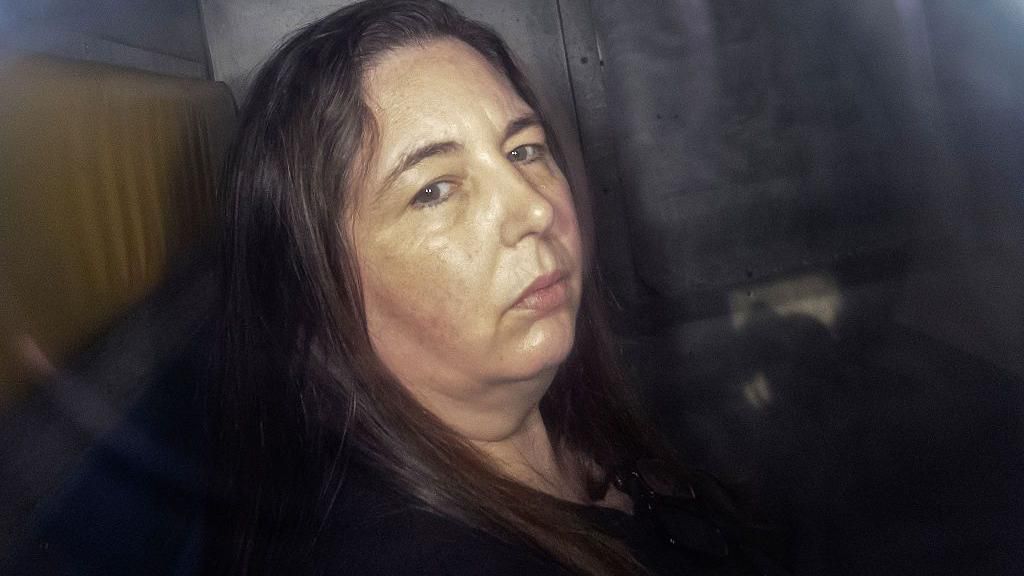
Lawyers for Erin Patterson, who was convicted of murdering three relatives with poisonous mushrooms, are seeking to overturn her convictions based on claims that a hotel accommodation shortage compromised her trial. During the Court of Appeal hearing in Victoria this week, Patterson’s barrister, Richard Edney, argued that the jury’s integrity was undermined because they shared a hotel with the lead detective, two prosecution solicitors, and journalists during their deliberations.
The situation arose in July 2023 when a national table tennis tournament in the Gippsland region created a shortage of available rooms. Because of the intense public interest in the case, Justice Christopher Beale had ordered the jury to be sequestered, a rare procedure where jurors are isolated in supervised housing to prevent outside influence. However, the lack of local accommodation resulted in the jury staying in the same building as key members of the prosecution team.
According to emails from the judge’s chambers, the jurors had exclusive use of one floor and ate meals in a separate conference room. A jury keeper reported that there was no interaction between the jurors and the prosecution members. Prosecution solicitors stated they took steps to avoid common areas once they realized the overlap. Patterson's legal team, however, argued that even "incidental contact" or seeing the detective could have exerted a "subconscious influence" on the 12 jurors, describing the event as a "fundamental irregularity."
The scale of the case is significant for the Australian legal system, as it involves three counts of murder and one count of attempted murder following a 2023 lunch. While the exact number of journalists and prosecution staff in the hotel was not specified, the defense argued the lack of CCTV or sworn statements from the hotel stay creates a "vacuum of evidence" regarding the most critical week of the trial. The court’s decision will determine whether the mere proximity of a jury to the prosecution—without evidence of actual conversation—is enough to declare a trial unfair.
A decision by the three-judge panel is expected at a later date. In addition to the defense's appeal for a re-trial, the judges are considering a counter-argument from the Director of Public Prosecutions, Brendan Kissane KC, who argued the system worked as intended and that no actual contact occurred. The prosecution is also seeking to have Patterson’s parole period removed from her sentence. If the appeal is rejected, Patterson will continue serving her current term; if successful, a date for a new trial will be set by the court.