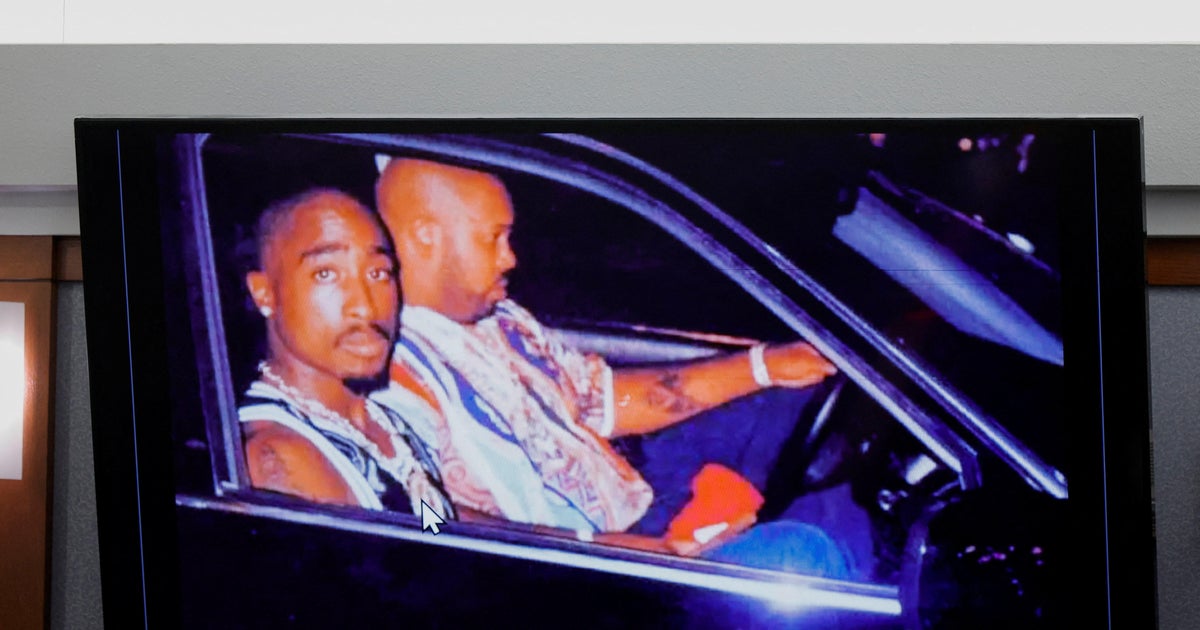
Jurors in the murder trial of Duane "Keffe D" Davis heard an audio recording Thursday of the defendant describing the 1996 shooting of rapper Tupac Shakur. In the 2008 interview with detectives, Davis stated that his nephew, Orlando "Baby Lane" Anderson, fired the shots from a white Cadillac that pulled alongside Shakur’s vehicle in Las Vegas. Davis, who has pleaded not guilty, is accused of orchestrating the killing of the 25-year-old artist.
The recorded interview was originally conducted by Los Angeles police detectives investigating the 1997 death of Christopher Wallace, also known as Biggie Smalls. During the session, detectives told Davis the discussion was confidential, with one investigator, Greg Kading, stating that nothing Davis said could be used against him. Prosecutors, however, argued that Davis later forfeited this confidentiality by discussing the events in his 2019 memoir and various public interviews.
Davis told detectives that he was in the car with Anderson and two other men when they encountered Shakur and Death Row Records head Marion "Suge" Knight. Davis stated he initially intended to shoot but passed the weapon because his seat was not aligned with the target. According to the recording, Anderson then took the gun and fired. The prosecution alleges the shooting was retaliation for an earlier altercation involving Shakur’s entourage and Anderson at the MGM Grand.
The scale of the evidence involves a decade-long timeline of statements made by Davis across different platforms. Jurors are weighing the validity of a 2008 proffer agreement—a legal arrangement where a suspect provides information in exchange for limited immunity—against Davis’s subsequent public admissions in a co-authored book and podcasts. The prosecution’s strategy depends on proving that Davis’s public "storytelling" for profit invalidated his prior legal protections, a move that could set a precedent for how law enforcement handles confidential informants who later monetize their involvement in crimes.
For the public and the music industry, the trial provides a documented account of the events surrounding the peak of the 1990s hip-hop era. A conviction or acquittal will finalize the official record regarding the involvement of individuals like Orlando Anderson, who died in 1998, and address long-standing rumors involving other high-profile figures. The trial continues in Clark County District Court, where jurors will continue to review transcripts and witness testimony from detectives involved in the original task force.
Defense attorneys have characterized the prosecution's case as "fiction," arguing that Davis’s previous claims were exaggerated or false and that investigators lack physical evidence to support the statements. The defense also pointed to jailhouse interviews where Davis claimed he was not in Las Vegas on the night of the shooting. The trial is ongoing in Las Vegas.