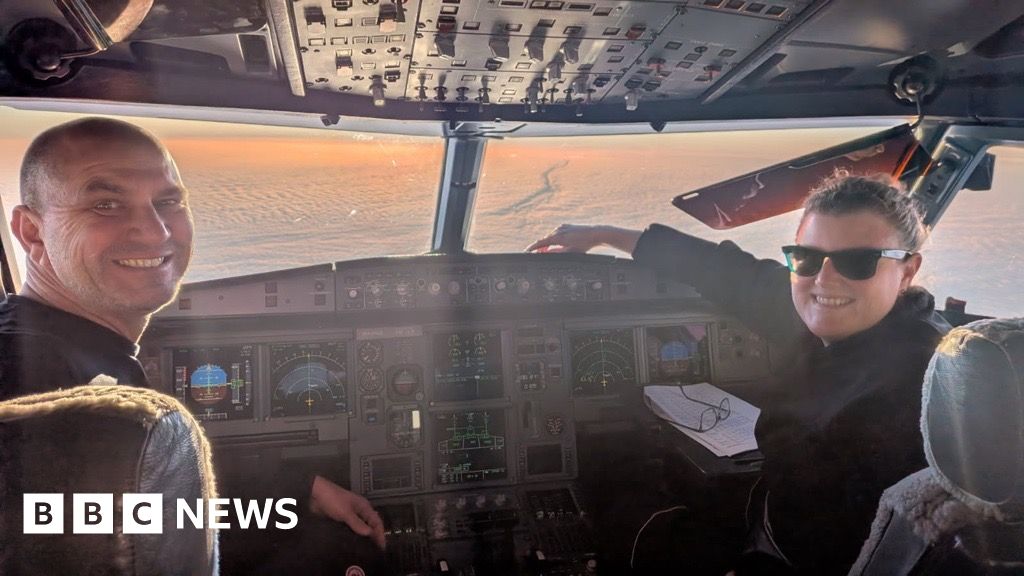
An Australian aviation crew completed a medical evacuation of a U.S. expedition member from McMurdo Station in Antarctica on July 31. The mission, carried out by the aviation company Skytraders using an Airbus A319, occurred during the Antarctic midwinter in total darkness and temperatures of -43°C (-45.4°F). The patient was transported to Christchurch, New Zealand, for medical treatment and is reported to be recovering.
The operation began after the U.S. Antarctic Program sent an urgent request for help via the Australian Antarctic Division on a Wednesday afternoon. Skytraders engineers and a design team spent 24 hours reconfiguring the aircraft, which included installing a stretcher. Although the mission was initially delayed by 12 hours due to a snowstorm, a break in the weather allowed the crew to proceed to Phoenix Airfield on Ross Island.
Pilots Captains Rod and Louise Robertson, along with Captain Al Wallach and a fourth pilot, flew the aircraft from Hobart, Tasmania. At the station, ground crews spent six hours grading and grooming a three-kilometer runway of compacted snow in high winds. The flight crew remained on the ground for exactly one hour to transfer the patient before departing for New Zealand. Captain Louise Robertson noted that the mission was the first of its kind to be completed in July and in total darkness.
The concrete change for those involved was the physical extraction from an environment where sunlight would not appear until the day after the mission. The technical execution demonstrates the current limits of aviation capability, as Captain Al Wallach stated the conditions were "on the edge" of what specialized aircraft can handle. This establishes a baseline for what is possible during the Antarctic winter, a season typically characterized by a complete halt in regular air travel due to the extreme risks posed by darkness and cold to both machinery and personnel.
The success of the mission reinforces international logistics agreements between the U.S. Antarctic Program and the Australian Antarctic Division. It follows a similar precedent set in March 2020, when a patient was evacuated in -30°C conditions. This most recent flight confirms that medical evacuations can be conducted even in the deeper cold and darkness of July. The patient is currently recovering in Christchurch, and no further emergency flights are currently scheduled.