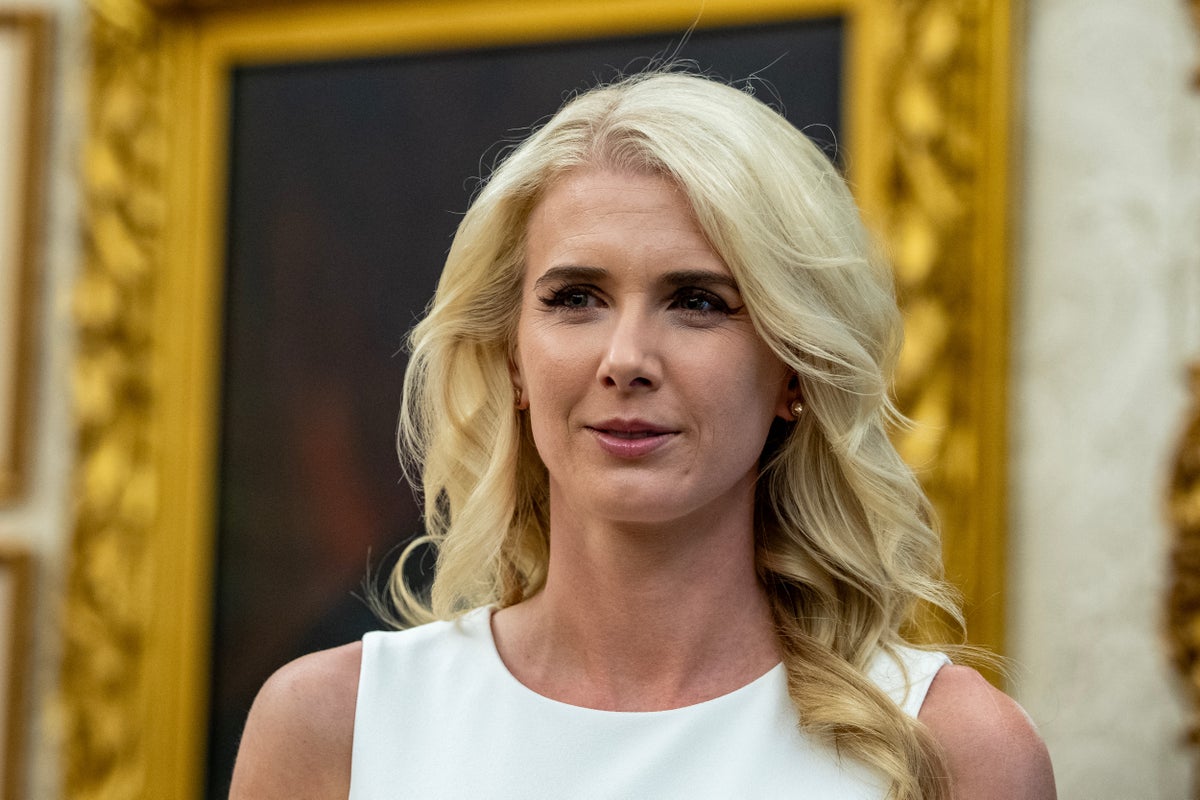
Author Michael Wolff stated in a recent podcast appearance that personal assistant Natalie Harp was granted access to a private buffet at President Donald Trump’s West Palm Beach golf club, a privilege reportedly not extended to other staff. Wolff, who has written multiple books about the Trump administration, claimed that Harp and her mother were permitted to attend the Sunday buffet, which led to internal questioning among employees regarding club protocol.
Harp, a 35-year-old former One America News anchor, has worked closely with Trump since 2022. She has recently been the subject of public discussion following the release of letters obtained by Wolff in which she expressed personal devotion to the president. The reports regarding her role come amid claims from MS NOW that she worked in the White House for over a year without standard security clearance.
During a Tuesday appearance on The Daily Beast’s "Inside Trump’s Head" podcast, Wolff described the buffet access as a "major moment" of internal discussion within the campaign. He stated that staffers were generally not allowed to use the facility. White House spokesman Davis Ingle responded to the claims by describing Harp as a loyal and hardworking aide while characterizing Wolff as a "serial liar" whose reporting is biased against the president.
The situation has also influenced legislative discourse, involving U.S. Senators and Representatives. Sen. Jon Ossoff (D-GA) and Rep. Debbie Dingell (D-MI) have used the reports to criticize the president's focus and personnel choices during recent public events. The scale of the impact is reflected in the high-level security protocols that were reportedly bypassed, potentially setting a precedent for how personal aides are integrated into the presidential entourage during international travel, such as the July NATO summit in Turkey.
For the average citizen, these developments highlight how personal staff may influence presidential decision-making and the internal culture of the White House. A person might notice changes in how security clearances are debated in Congress or how the executive branch justifies the roles of non-traditional advisors. The knock-on effects include increased scrutiny of White House hiring practices and potential changes to oversight regarding who is granted access to the president during high-security transport. What happens next depends on whether formal ethics or security inquiries are launched by congressional committees.
White House officials, including Communications Director Steven Cheung and Press Secretary Karoline Leavitt, have defended Harp’s role and criticized the motives of her detractors. Trump has also publicly responded to political critics like Sen. Ossoff, comparing the senator to a children's entertainer in response to his remarks about Harp. No specific dates for future hearings or official investigations were reported.