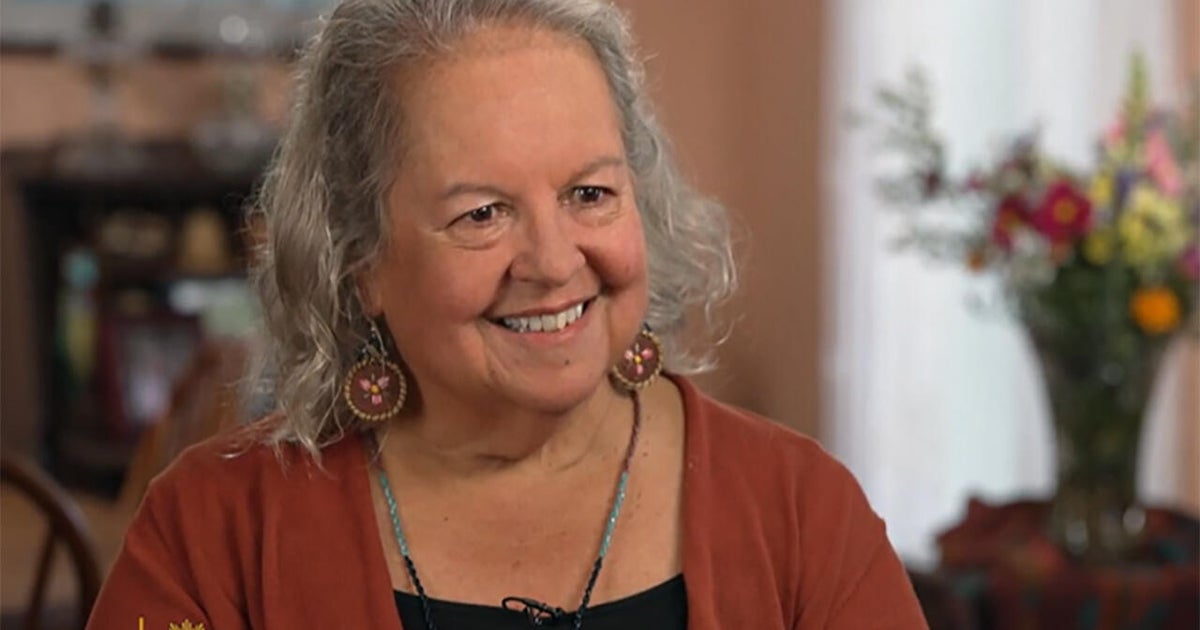
Botanist and author Robin Wall Kimmerer is advocating for a shift toward "gift economies" and indigenous ecological principles as a response to climate change. Through her books "Braiding Sweetgrass" and "The Serviceberry," Kimmerer argues for a collaborative relationship with the environment, characterized by sharing resources rather than treating them solely as commodities.
Kimmerer, a member of the Citizen Potawatomi Nation and a university professor, uses her background in both Western scientific knowledge and Indigenous traditions to discuss environmental stewardship. Her 2013 book, "Braiding Sweetgrass," became a bestseller years after its initial release, leading to a public platform where she now promotes reforestation efforts and Indigenous education.
In her work, Kimmerer describes plants as "persons" and "relatives" rather than objects. On her land near Syracuse, N.Y., she has begun replacing older trees, such as a 200-year-old maple, with species like basswood that she believes are better suited to survive current climate shifts. She also leads the "Plant Baby Plant" campaign to encourage tree planting and works with Indigenous youth in Michigan to teach respect for natural systems.
On a concrete level, this philosophy encourages people to change their physical landscape and financial habits. Following Kimmerer's lead, individuals may notice changes in their own yards or communities as they prioritize climate-resilient species over traditional favorites, such as replacing maples with lindens. The scale of this influence is reflected in the sale of over 2 million copies of "Braiding Sweetgrass" and 400,000 copies of "The Serviceberry" since late 2024. A reader adopting these principles would focus on "gift-giving" rather than purchasing, which Kimmerer describes as a "radical proposition" intended to disrupt "business-as-usual" consumption.
The knock-on effects of these ideas could influence future environmental policy and community resource sharing. By teaching these principles to Indigenous youth in Michigan, Kimmerer is establishing a precedent for long-term cultural shifts in land management. While the specific legal or economic impacts of transitioning to a "gift economy" remain theoretical, the popularity of Kimmerer’s work suggests a growing interest in alternative economic models. What happens next depends on the continued adoption of these practices by readers and the success of localized initiatives like "Plant Baby Plant."