A trade group representing American automakers, the Alliance for Automotive Innovation, sent a letter to congressional leadership on Thursday, September 3, 2026, urging a permanent ban on the sale, import, and manufacture of Chinese connected vehicles, hardware, and software in the U.S. The group, led by President and CEO John Bozzella, cited concerns over surveillance, intellectual property theft, and unfair trade practices. The request follows a January 2025 executive action by the Biden administration that established regulations effectively banning Chinese automakers from selling passenger vehicles due to national security and data privacy concerns.
While the U.S. currently has restrictions in place, lawmakers and industry representatives are seeking to codify these measures into law. Republican Senator Bernie Moreno of Ohio has proposed legislation to seal off the U.S. market from Chinese automotive hardware, software, and partnerships. Additionally, more than 70 House Democrats, led by Representatives Debbie Dingell and Ro Khanna, urged President Trump in April 2026 to maintain these restrictions, arguing that the U.S. must not cede its automotive industry to a strategic competitor.
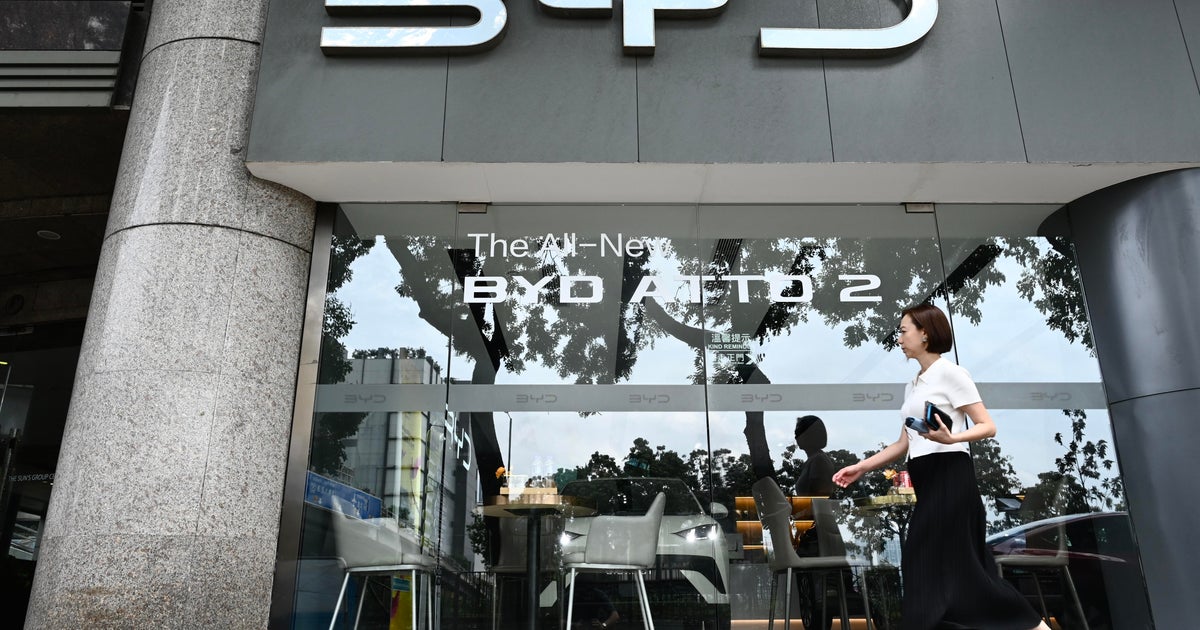
The push for a ban occurs as Chinese manufacturers, such as BYD and Geely, expand their global presence, particularly in the electric vehicle (EV) market. While the U.S. maintains high tariffs and regulatory barriers, other nations have adopted different approaches. A 2026 trade deal allows Geely Auto Group to sell 49,000 EVs annually in Canada, with tariffs dropping from 100% to 6%. The Alliance for Automotive Innovation warned that China is capturing market share in other regions with vehicles capable of transmitting sensitive consumer data to the Chinese government.
A permanent ban would solidify a market environment where U.S. drivers must choose from domestic or allied-nation brands. Hyundai leadership has noted that competing with Chinese vehicles on price is difficult. A household looking for an affordable EV would notice the absence of Chinese models like those from BYD, which are gaining market share in Mexico and South America. Instead, they would remain reliant on a Western supply chain that is still attempting to scale its own battery technology.
The knock-on effects extend to the "connected" nature of modern cars, which function as data hubs. By banning Chinese software and hardware, the U.S. treats automotive components as strategic assets subject to national security vetting. While the Chinese Embassy in Washington has called for a "non-discriminatory business environment," U.S. policymakers are prioritizing the prevention of potential data collection. The next steps include potential votes on Senator Moreno's legislative proposal and a planned summit between President Trump and Chinese President Xi Jinping in May 2026.