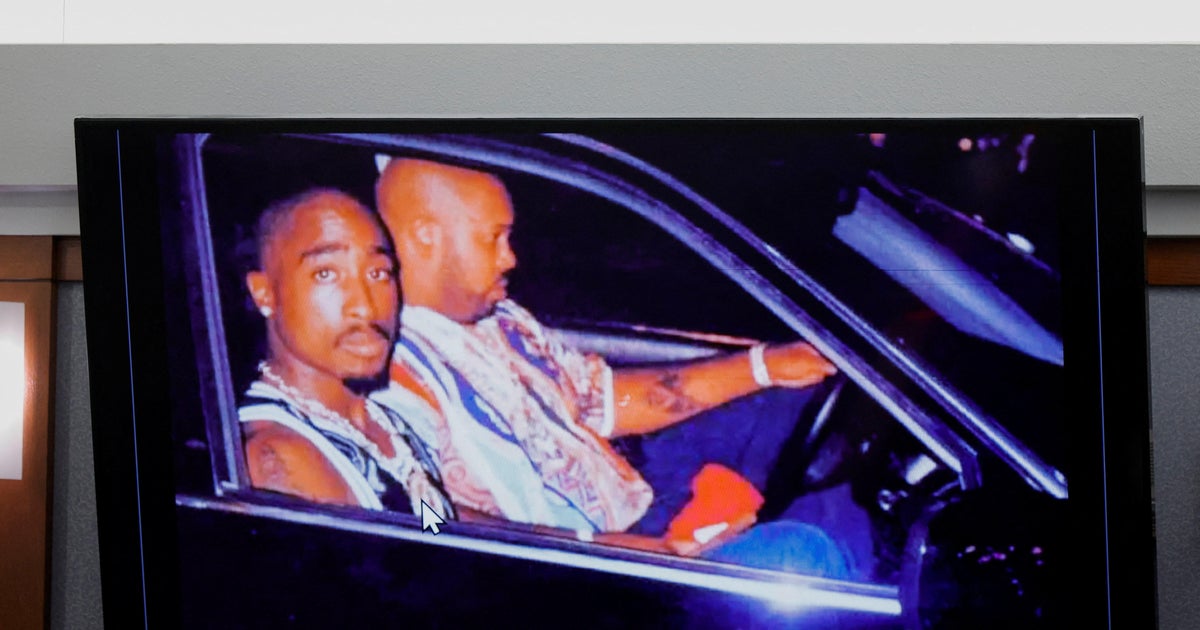
Prosecutors presented autopsy photographs of Tupac Shakur during the second day of testimony in the Las Vegas murder trial of Duane "Keffe D" Davis. Some of Shakur's family members exited the courtroom before the images were displayed, while others remained. Davis, 63, has pleaded not guilty to charges of orchestrating the 1996 drive-by shooting that resulted in the rapper's death.
Dr. Lisa Gavin, a forensic pathologist and medical examiner for Clark County, testified as an expert witness because the original medical examiner from 30 years ago has died. Gavin described how Shakur sustained three gunshot wounds, including one that traveled through his chest and lung. She noted that doctors removed the damaged lung in a surgical effort to save his life before he died after six days in the hospital.
In addition to medical testimony, the jury viewed surveillance footage from the MGM Grand recorded hours before the shooting. The video showed Shakur and his entourage involved in a physical clash with Davis’ nephew, Orlando "Baby Lane" Anderson. Prosecutors allege the subsequent shooting, which occurred while Shakur was riding in a vehicle with Marion "Suge" Knight, was an act of revenge for this earlier altercation.
Defense attorney Michael Sanft characterized the prosecution's case as "fiction" during opening statements. Sanft argued that Davis previously implicated himself in interviews and a memoir because he was "full of crap," rather than providing a factual account of the events. Davis sat quietly during the testimony, occasionally conferring with his legal counsel while photographs of the body wounds and medical tubes were displayed on a screen.
For the public and the hip-hop community, the trial represents a formal legal attempt to resolve the 1996 killing of Shakur, who died at age 25. The scale of the impact is measured by Shakur’s enduring status as a cultural icon, though the immediate legal consequences are centered on Davis. If convicted, Davis faces a sentence of life imprisonment under Nevada law for his alleged role in the shooting, which prosecutors state was intended to further a criminal gang.
The outcome of the trial will determine whether the state has sufficient evidence to link Davis to the planning of the shooting, despite him not being accused of pulling the trigger. The case also faces potential complications regarding witnesses, as Marion "Suge" Knight has indicated he does not wish to testify. The proceedings continue in Clark County District Court as jurors weigh the 1996 video evidence, forensic testimony, and Davis' past public statements against the defense's claims.